
Dragonfly aims to map Titan’s chemistry from the skies
TL;DR Summary
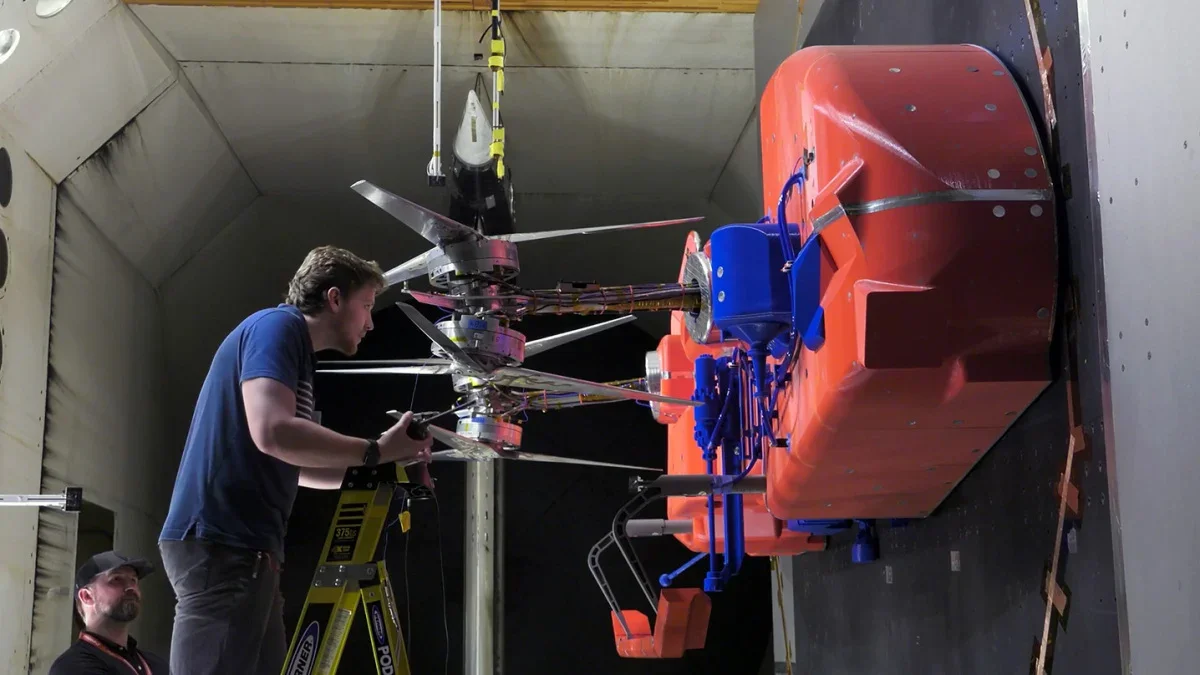
NASA’s Dragonfly is an eight-rotor rotorcraft mission planned to launch by 2028 to Titan. It will fly across Titan’s thick atmosphere and dunes, powered by its helicopters and carrying a DraMS mass spectrometer, a sample carousel, ovens, and a laser to study organic material and prebiotic chemistry. The mission, about a seven-year journey to reach Titan, emphasizes mobility over wheels (unlike planetary rovers) and will not sample Titan’s liquid lakes, instead targeting land-based organics to understand how complex molecules could form.
- NASA explains why mission to Titan trades wheels for helicopter blades Mashable
- From Greenbelt to Titan, NASA’s Dragonfly mission to seek answers on how life begins WTOP
- Science Goals and Objectives for the Dragonfly Titan Rotorcraft Relocatable Lander astrobiology.com
- NASA's Dragonfly Octocopter Hits Three Build Milestones Ahead Of 2028 Titan Launch DroneXL.co
- NASA’s Dragonfly Comes Together Amid Harsh Testing Orbital Today
Reading Insights
Total Reads
0
Unique Readers
50
Time Saved
6 min
vs 7 min read
Condensed
94%
1,300 → 81 words
Want the full story? Read the original article
Read on Mashable