
ESA accelerates independent radar development for Venus EnVision after NASA funding cuts
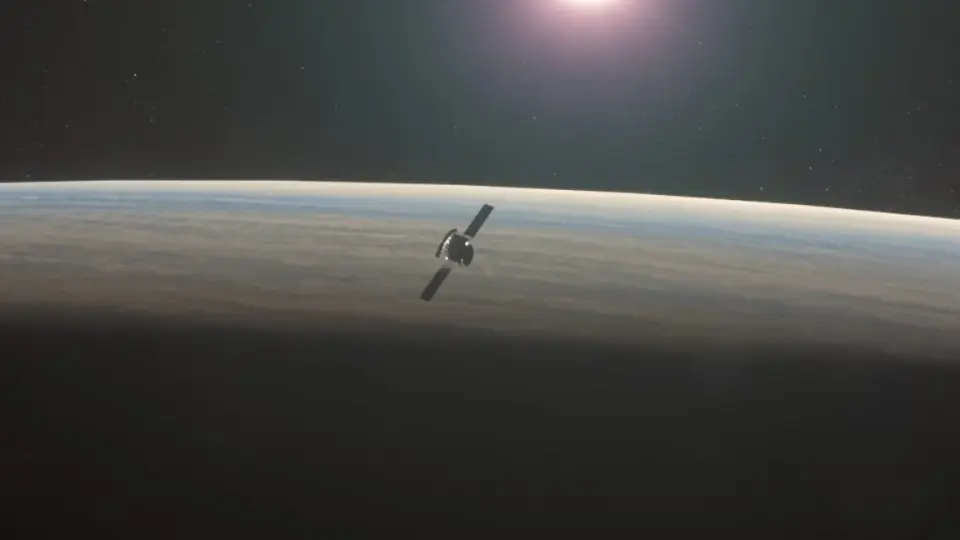
The European Space Agency is proceeding with a fully European radar instrument for its EnVision Venus orbiter after NASA indicated it cannot fulfill its contractual obligation to provide a synthetic aperture radar. The mission, originally a joint effort, now faces a delayed launch to 2032 as ESA contracts UK and Italian firms to build the replacement. This move follows broader cuts to NASA’s international partnerships, including potential withdrawals from the LISA gravitational wave detector and the New Athena X-ray telescope, forcing ESA to seek alternative funding or partners, potentially including China.
Key points
- NASA officials determined they are unlikely to provide the US-built radar instrument for ESA’s EnVision mission, which is designed to map Venus’s surface at 10 times higher resolution than previous missions.
- ESA has issued contracts to UK and Italian industrial teams to develop a European radar payload with similar capabilities to the cancelled NASA instrument, aiming to maintain the original scientific goals.
- The EnVision launch has been delayed by one year to 2032 to allow time for the development of the new European radar system.
- NASA’s budget constraints, driven by proposed cuts from the Trump administration, have also jeopardized its contributions to the LISA and New Athena space observatories, as well as the Rosalind Franklin Mars rover launch.
- ESA’s science budget, averaging 750 million euros annually, is significantly smaller than NASA’s, but member states have committed to increasing funding by 3.5 percent per year through 2028 to support such initiatives.
- ESA is exploring cooperation with China, having already launched a joint mission with China earlier in 2026 and placing an instrument on China’s Chang’e 6 lunar mission in 2024.
Background
Previous coverage highlighted the scientific importance of Venus missions like DAVINCI and VERITAS in understanding planetary divergence and habitability. The EnVision mission was part of a coordinated effort to study Venus’s surface and atmosphere, with NASA’s VERITAS orbiter also facing delays due to funding issues. The current situation reflects a shift in US-EU space cooperation, with ESA taking on more responsibility for international missions as NASA’s budget for science and international partnerships is reduced.
Why it matters
The withdrawal of NASA from key international missions like EnVision, LISA, and New Athena marks a significant shift in global space cooperation. ESA’s decision to proceed independently demonstrates resilience but also highlights the financial and technical challenges of replacing US contributions. This could set a precedent for future international collaborations, potentially leading to increased partnerships with other space-faring nations like China. The delay in EnVision’s launch may impact the timeline for understanding Venus’s geological activity and surface composition, which has implications for understanding planetary evolution and habitability.
What to watch
ESA will continue developing the European radar for EnVision, with the goal of launching the mission in 2032. NASA and ESA are still in discussions regarding the status of the partnership, but ESA is preparing for the possibility that NASA will not fulfill its commitments. ESA is also evaluating how to fill the roles of NASA in the LISA and New Athena missions, potentially seeking alternative funding or partners. The future of the Venus Science Coordination group, which was suspended due to budget changes, remains uncertain.
Want the full story? Read the original reporting
Read on Ars Technica