
FAA Grants Sierra Space Dream Chaser License for Vandenberg Landings
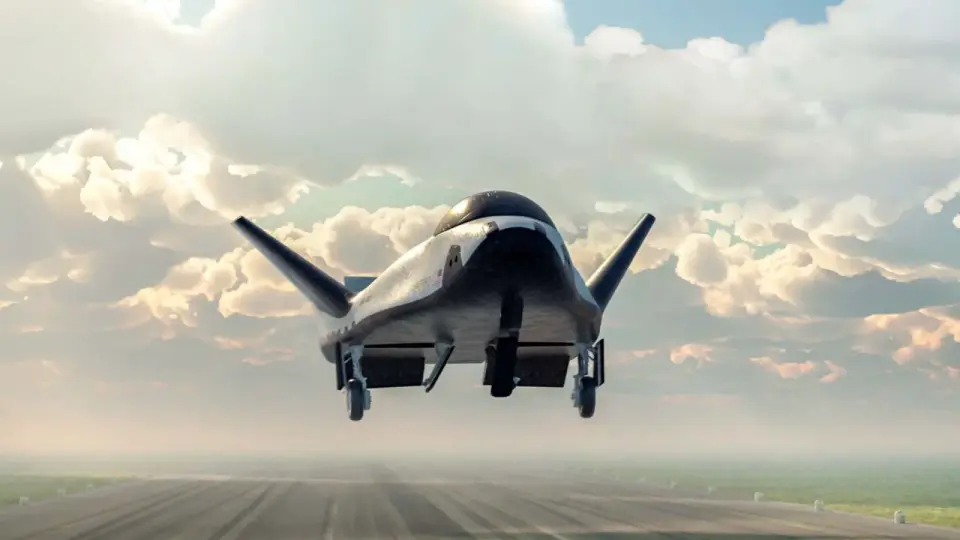
The FAA has issued a five-year vehicle operator license to Sierra Space, authorizing its Dream Chaser spaceplane to reenter Earth's atmosphere and land at Vandenberg Space Force Base. This regulatory approval clears a major hurdle for the spacecraft's first orbital mission, which will launch from Florida on a Vulcan Centaur rocket. The license permits up to four reentries annually and confirms Vandenberg as the primary landing site, replacing earlier plans to use Kennedy Space Center. While the approval does not set a specific launch date, it enables the Tenacity spacecraft to carry up to 12,100 pounds of cargo to orbit and return 4,080 pounds of payload via runway landing.
Key points
- FAA issued a five-year vehicle operator license to Sierra Space on November 9, 2026, allowing Dream Chaser to land at Vandenberg Space Force Base.
- The license permits up to four reentries per year under an unchanged vehicle configuration and mission profile.
- Vandenberg is now the designated landing site, replacing Kennedy Space Center, which was preferred during a 2024 environmental review.
- The first Dream Chaser spacecraft, Tenacity, can carry 12,100 pounds of cargo to orbit and return 4,080 pounds of payload.
- Dream Chaser will land on a conventional runway, exposing cargo to less than 1.5 times Earth's gravity during reentry.
- The launch date remains uncertain as it depends on the availability of a United Launch Alliance Vulcan Centaur rocket.
Background
Sierra Space originally entered NASA's commercial resupply program in 2016 to deliver cargo to the International Space Station. Development delays and propulsion issues pushed the debut back, leading to a revised agreement in September 2025 that allows Tenacity to conduct an independent free-flying mission first. The company previously targeted late 2026 for the debut but has tied the schedule to rocket availability. Meanwhile, the U.S. Defense Intelligence Agency recently released images of China's Shenlong spaceplane, highlighting increased global interest in reusable orbital vehicles.
Why it matters
The FAA approval removes a critical regulatory barrier for Dream Chaser, enabling its first orbital flight and runway landing. This milestone supports the development of reusable spaceplanes that can handle sensitive cargo with lower g-forces than traditional capsule landings. It also demonstrates the FAA's collaboration with commercial space companies to innovate in launch and reentry operations.
What to watch
Sierra Space must secure a Vulcan Centaur rocket to set a launch date for the Tenacity mission. The company has confirmed national security and commercial customers will contribute payloads alongside NASA cargo, though identities and specific equipment remain undisclosed. Future resupply missions to the International Space Station may be purchased by NASA if the demonstration proves successful.
Want the full story? Read the original reporting
Read on Interesting Engineering