
Galaxy's Most Common Planets Have No Counterpart in Our Solar System
TL;DR
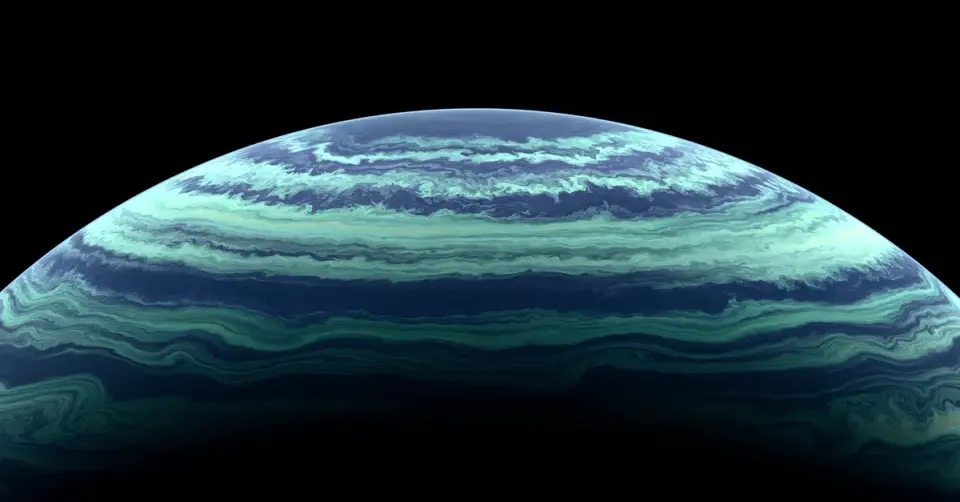
In about 30 years, scientists have confirmed over 6,000 exoplanets, revealing that the galaxy’s most common types are super-Earths and sub-Neptunes (roughly 1.5–4 Earth radii), a class absent from our Solar System. Early detections were biased toward large, hot planets detected via transits, while smaller, temperate rocky worlds remain hard to detect. The finding reshapes our understanding of planetary formation, and next-gen missions like JWST and the Roman Space Telescope aim to characterize atmospheres of accessible worlds and push toward identifying a truly Earth-like planet.
Want the full story? Read the original reporting
Read on Space Daily