
Gene Roddenberry's Ashes Achieve First Space Burial on 1992 Columbia Mission
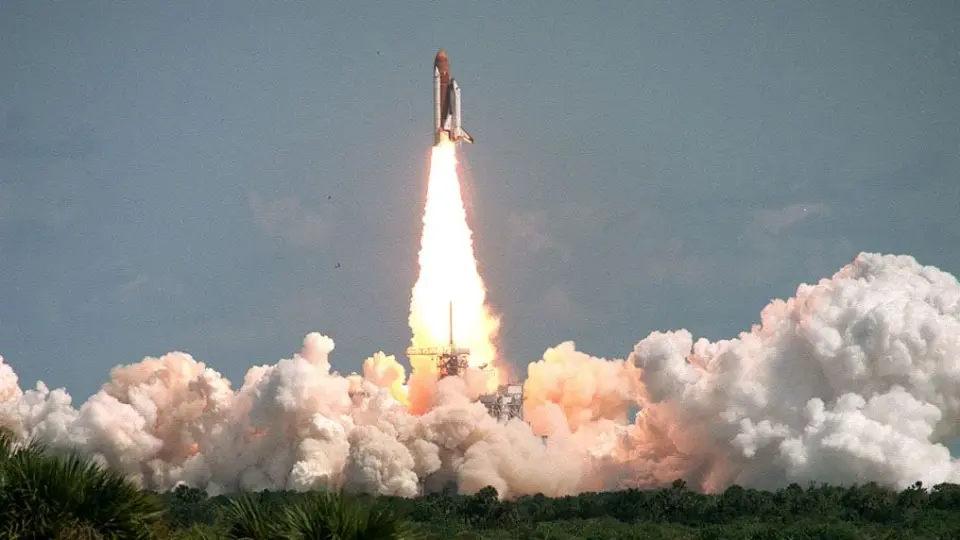
On October 22, 1992, NASA shuttle Columbia launched with a portion of Gene Roddenberry's ashes, marking the first human space burial. Commander James Wetherbee carried the container at the request of Roddenberry's widow, fulfilling the creator's lifelong dream of spaceflight.
Key points
- The STS-52 mission carried a small container of Roddenberry's cremains into orbit, initiating the concept of space burial.
- NASA astronaut James Wetherbee transported the ashes as part of his personal effects, acting on the request of Roddenberry's wife, Majel Barrett.
- The event remained undisclosed to the public for nearly two years, with details emerging only in 1994.
- This milestone paved the way for commercial space burial services, such as Celestis, which launched additional Roddenberry ashes in 1997.
Background
This event connects to the broader legacy of Star Trek, which has influenced NASA's diversity initiatives and space policy since the 1970s. The franchise's 60th anniversary in 2026 has highlighted its cultural impact, including past interactions between the cast and NASA, such as the 1976 naming of the first shuttle 'Enterprise.'
Why it matters
The 1992 launch established a precedent for space burials, blending personal tribute with technological capability. It demonstrated how cultural figures could be integrated into space missions, influencing subsequent commercial ventures in space memorialization and reinforcing the intersection of pop culture and aerospace history.
What to watch
No immediate future developments are reported for this historical event. Current space burial services continue to operate, but no new missions involving Roddenberry's ashes are scheduled.
Want the full story? Read the original reporting
Read on Space