
Giant Black Holes Likely Grow by Chains of Mergers in Dense Star Clusters
TL;DR
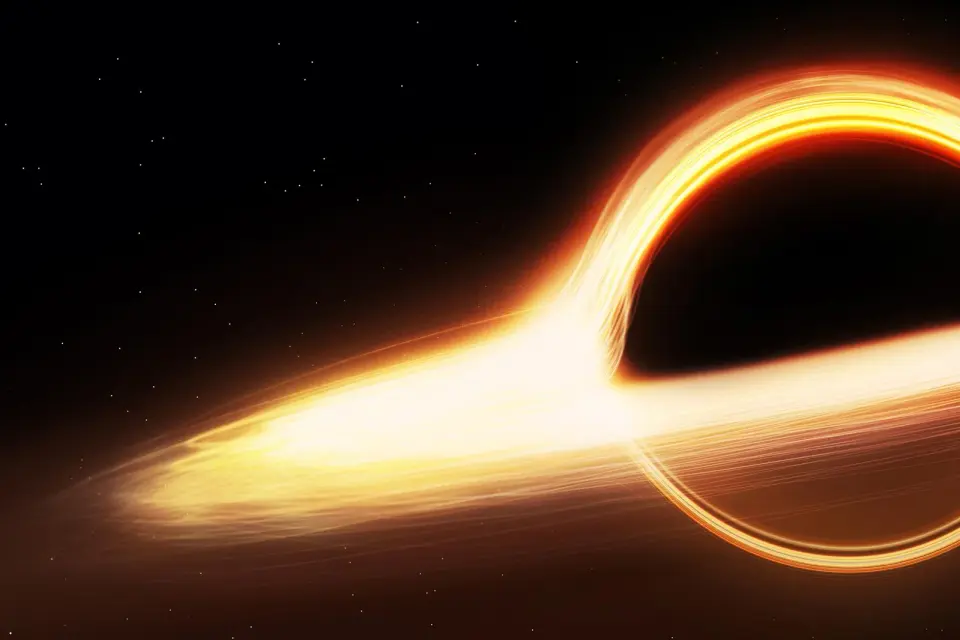
New analysis of GWTC4 gravitational-wave data suggests the universe’s heaviest black holes did not form directly from collapsing stars but grew through successive mergers in crowded star clusters, creating a distinct high-mass population with spins indicative of hierarchical growth. The study also finds evidence for a pair-instability mass gap near 45 solar masses, shedding light on stellar evolution and the nuclear reactions inside massive stars.
- Scientists Just Discovered How the Universe Builds Monster Black Holes SciTechDaily
- How do the biggest black holes in the universe form? Ripples in spacetime provide a clue Space
- Built not born: Huge black holes form in mergers, study says EarthSky
- These monster black holes did not form the usual way—their history of violence is written into spacetime ripples Phys.org
- Scientists have detected a forbidden zone in space where planets should not behave this way, and the discovery changes what we thought about how worlds are born ECOticias.com
Want the full story? Read the original reporting
Read on SciTechDaily