Giant Black Holes Likely Grow by Chains of Mergers in Dense Star Clusters
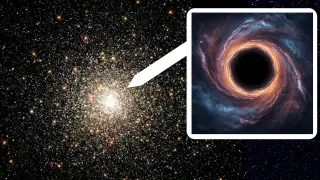
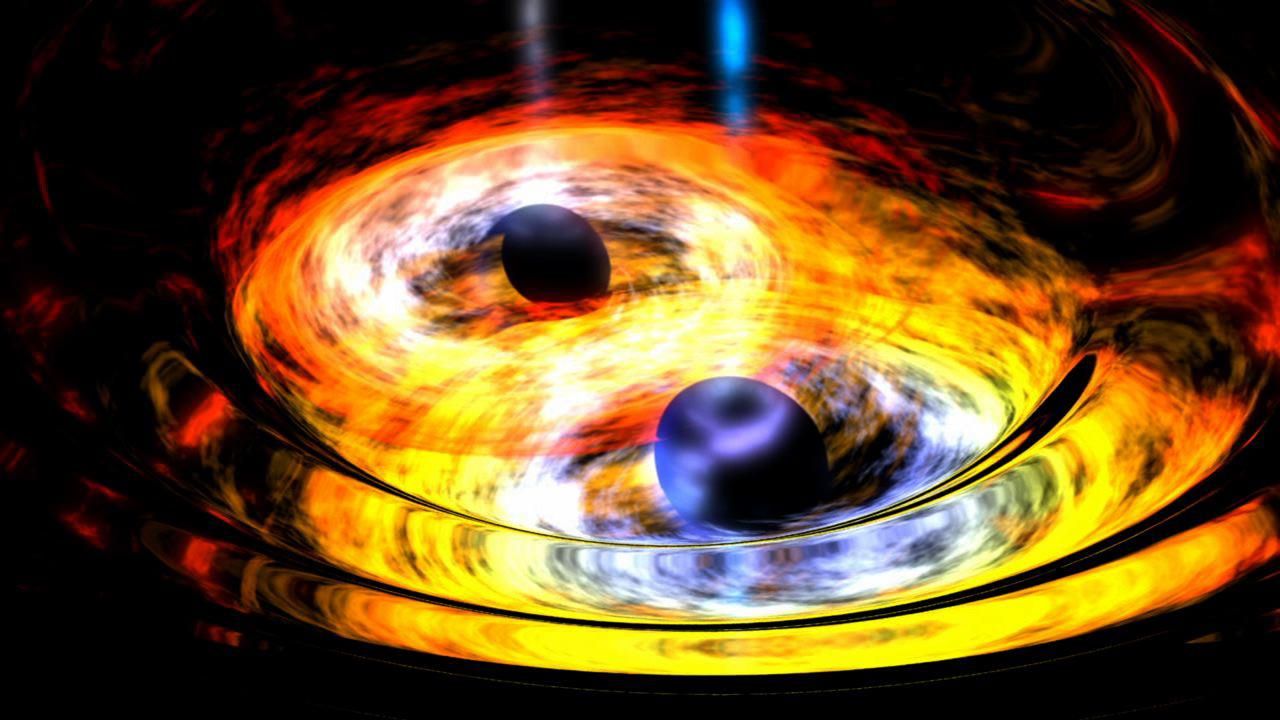
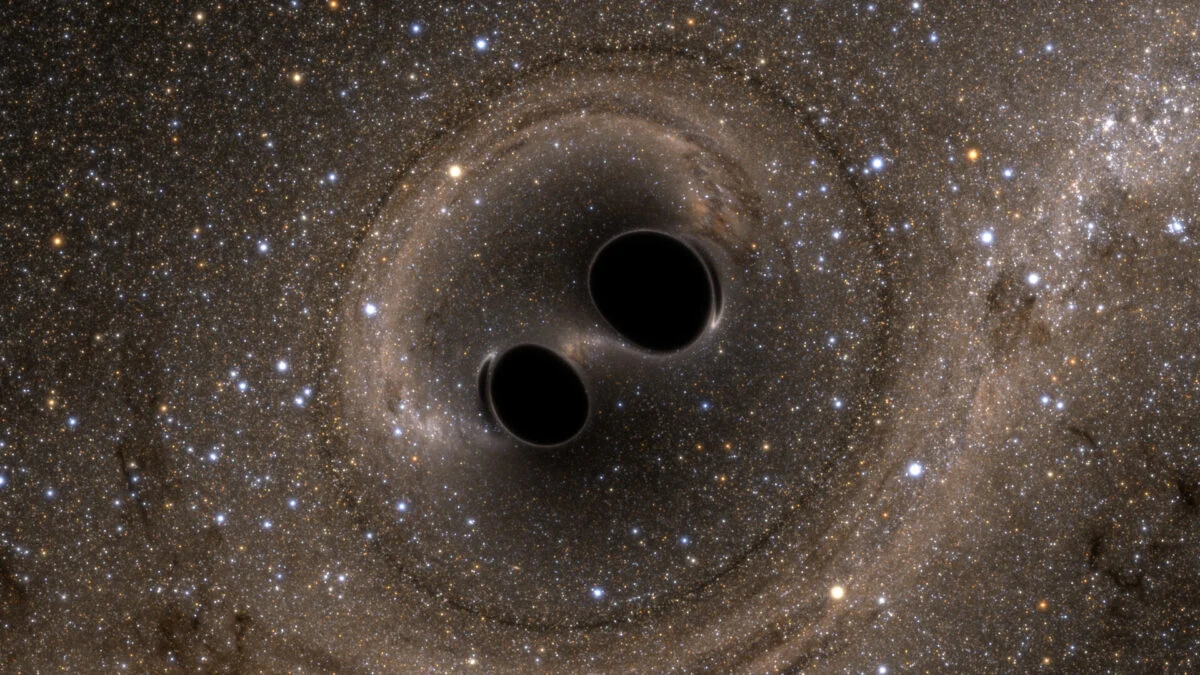
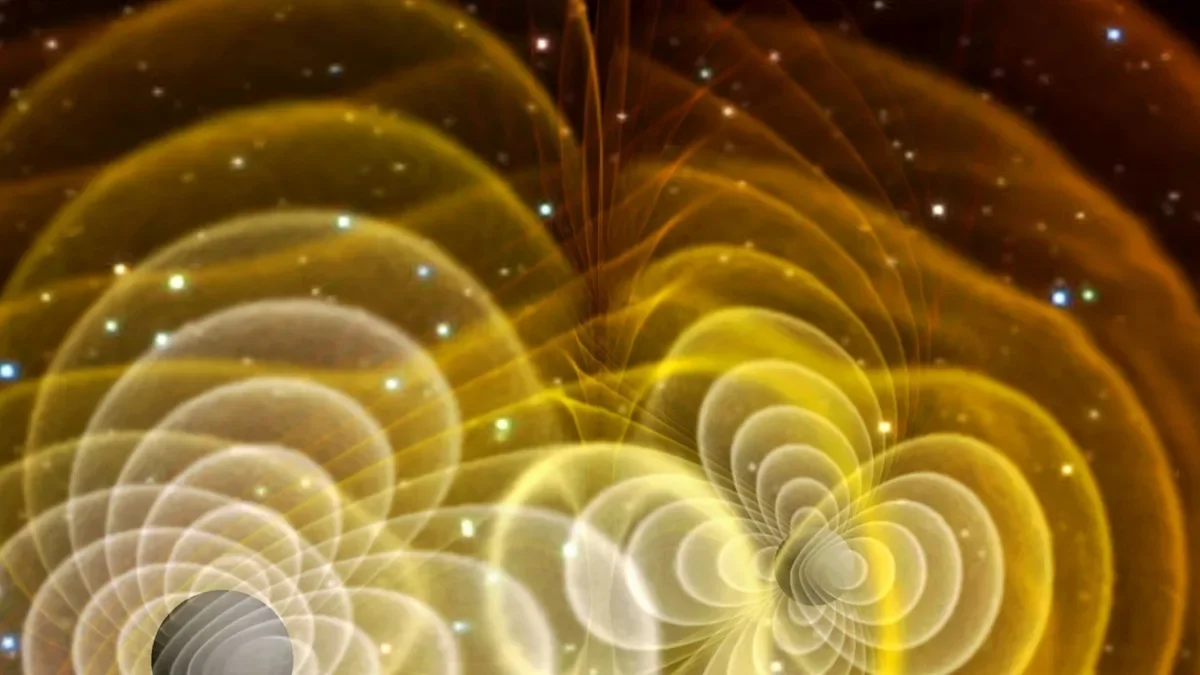
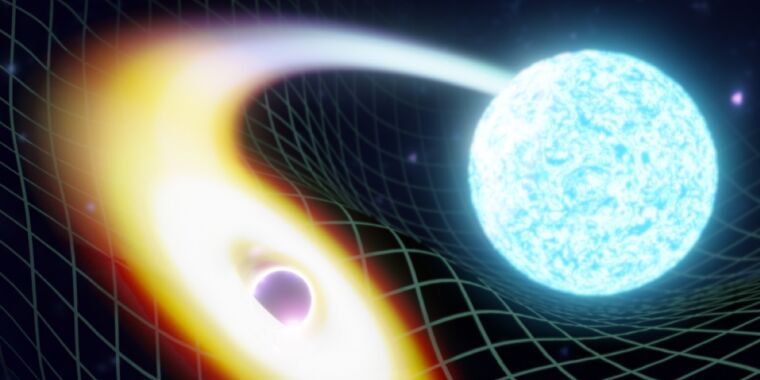
New analysis of GWTC4 gravitational-wave data suggests the universe’s heaviest black holes did not form directly from collapsing stars but grew through successive mergers in crowded star clusters, creating a distinct high-mass population with spins indicative of hierarchical growth. The study also finds evidence for a pair-instability mass gap near 45 solar masses, shedding light on stellar evolution and the nuclear reactions inside massive stars.