
Hubble and Webb reveal Omega Centauri's hidden stellar-mass black hole after 23-year hunt
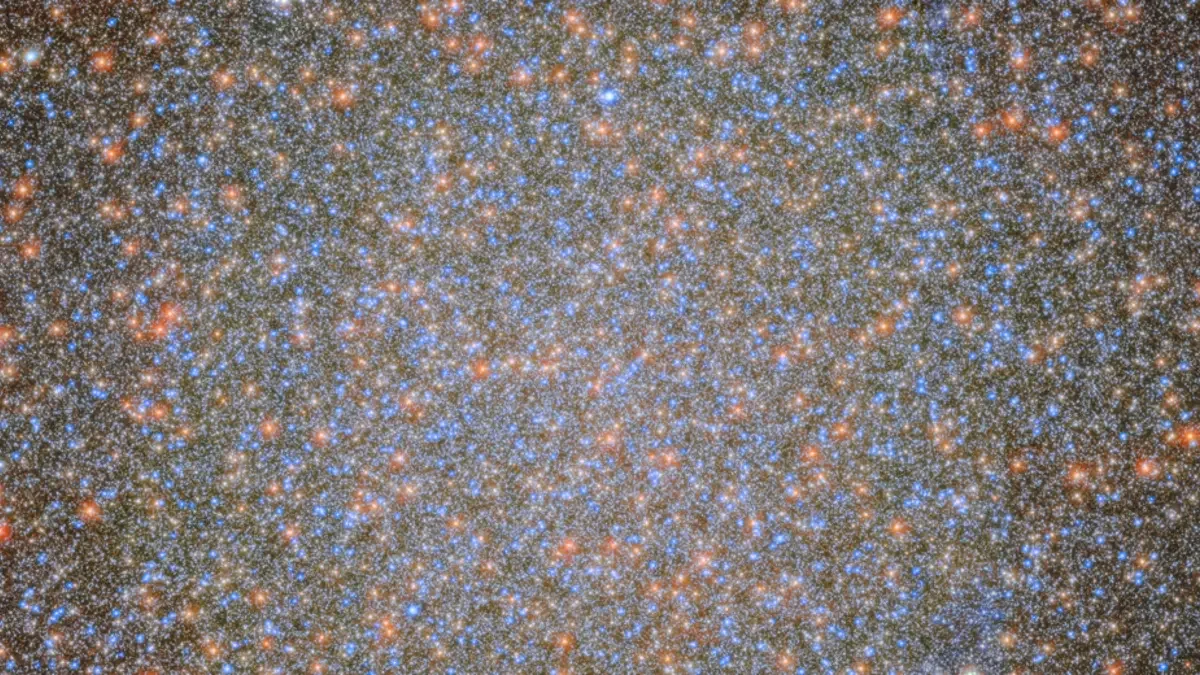
Astronomers using two decades of precise astrometry from NASA's Hubble Space Telescope and the James Webb Space Telescope have identified the first stellar-mass black hole in the Milky Way's Omega Centauri, named oMEGACat BH-2, by tracking a visible star's sky motion around an unseen companion. The binary completes an orbit every 94 years, and the black hole weighs about 4.46 solar masses, confirming a black hole rather than a neutron star. The system likely formed through dynamical interactions in the cluster; this discovery supports Omega Centauri's hidden black-hole population and points to more finds as Hubble, Webb, and future missions survey the cluster.
- Hubble and Webb uncover Omega Centauri’s first stellar-mass black hole after 23 years of observations The Watchers - Watching the world evolve and transform
- Hubble Discovers the First "Missing" Black Hole in this Famous Star Cluster Universe Today
- Hubble Finds First Black Hole in Omega Centauri via 20-Year Star Wobble Tech Times
Reading Insights
1
38
29 min
vs 30 min read
98%
5,868 → 103 words
Want the full story? Read the original article
Read on The Watchers - Watching the world evolve and transform