Tag

Omega Centauri

All articles tagged with #omega centauri

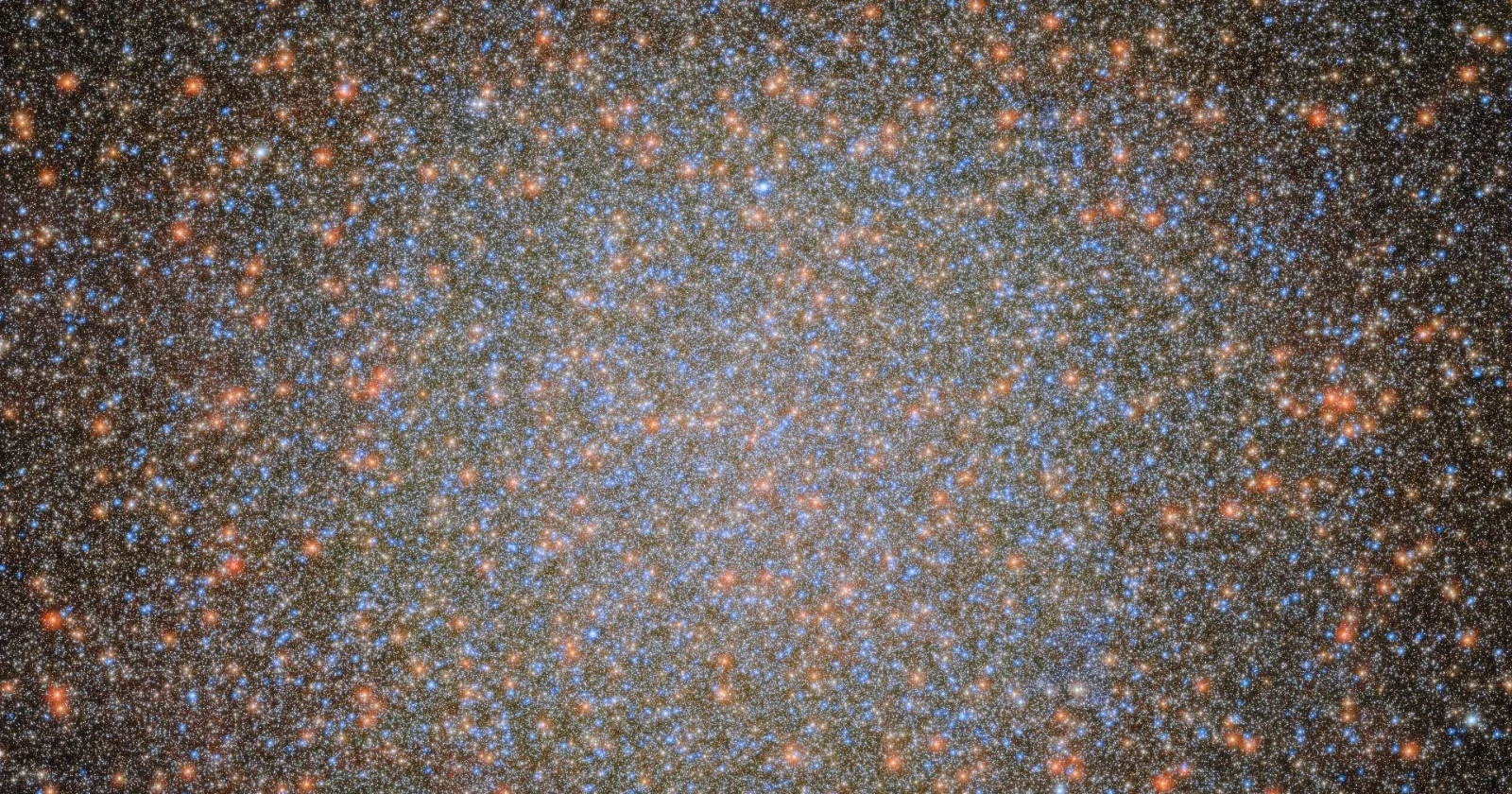
Omega Centauri Unveils Its First Hidden Stellar-Mass Black Hole
space1 hour ago

Omega Centauri Unveils Its First Hidden Stellar-Mass Black Hole

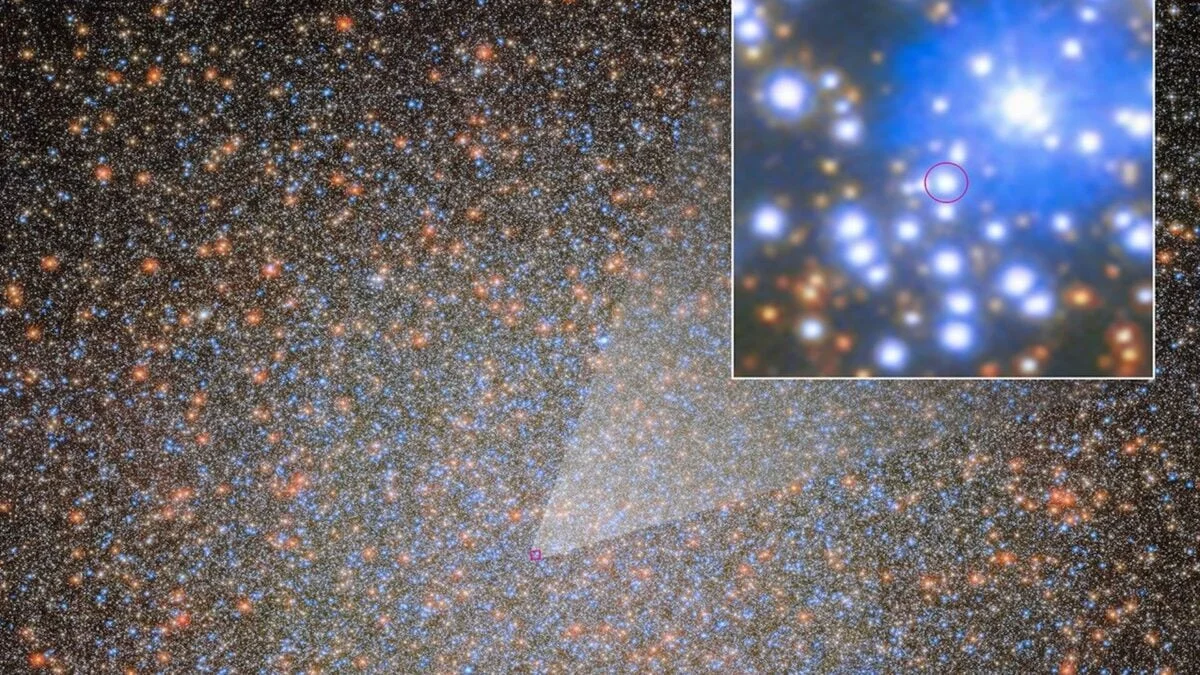
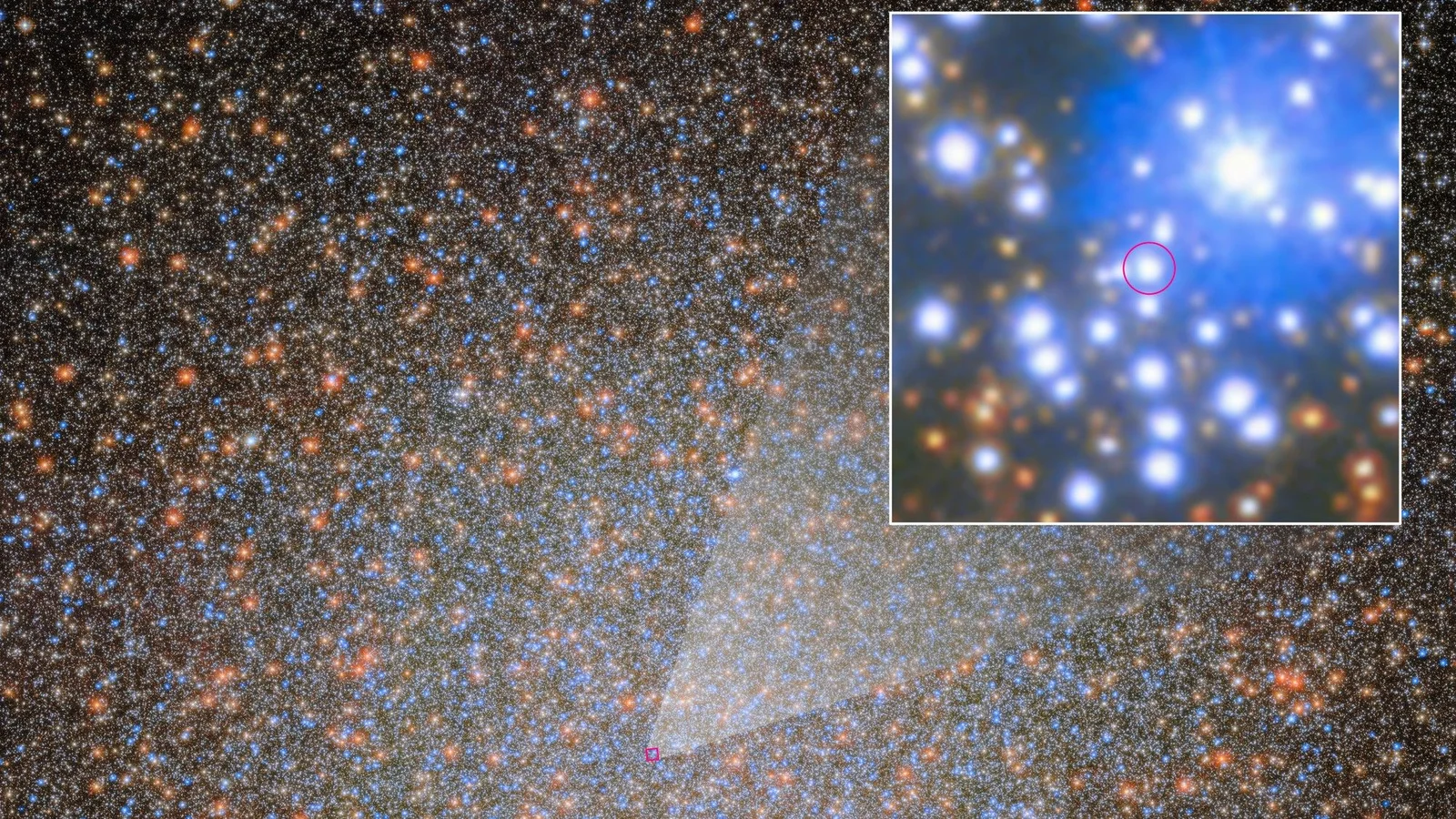
Astronomers using over two decades of Hubble data and JWST observations have confirmed the first stellar-mass black hole in the Omega Centauri globular cluster, designated oMEGACat BH-2, with a mass of 4.46 solar masses orbiting a sun-like star every 94 years. The finding suggests Omega Centauri could host a large hidden population of such black holes and highlights astrometry as a key method, with plans to find more using Roman Space Telescope in the future.

Astronomers uncover first stellar-mass black hole in Omega Centauri with Hubble and Webb
science1 day ago

Astronomers uncover first stellar-mass black hole in Omega Centauri with Hubble and Webb

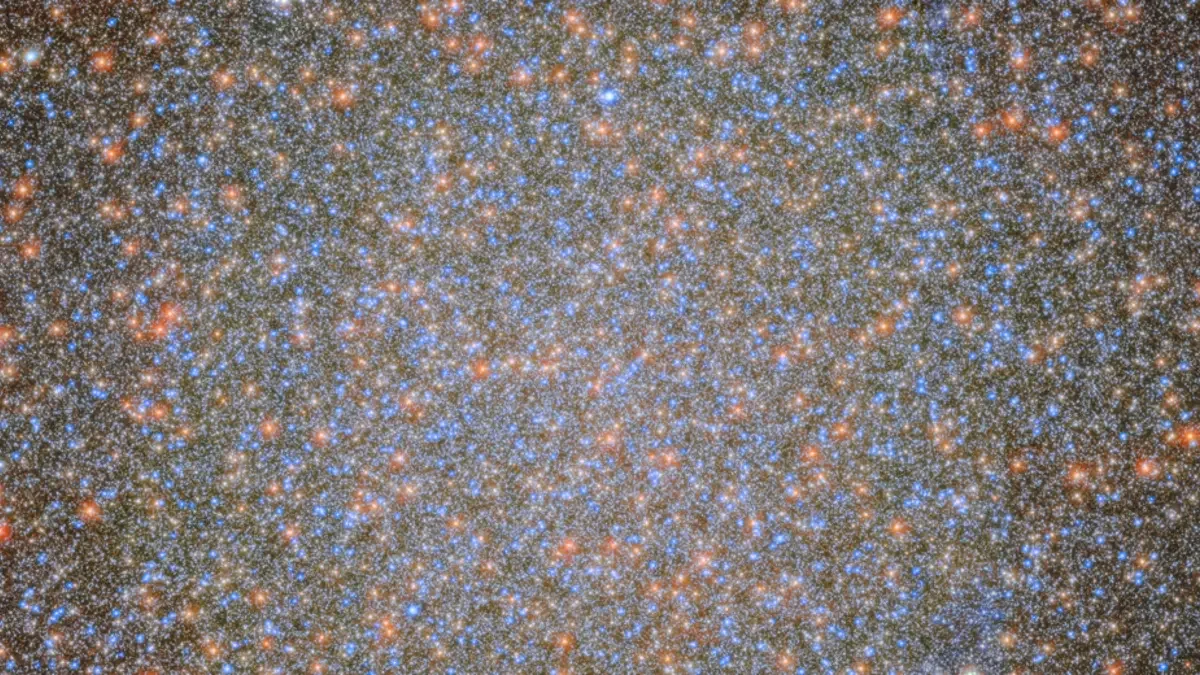
University of Utah researchers used two decades of Hubble data and recent JWST observations to measure stellar motions via astrometry, revealing Omega Centauri’s first stellar-mass black hole, oMEGACat BH-2, with a mass of about 4.46 solar masses and a 94-year orbit—the longest known for a black hole binary. The discovery in this metal-poor globular cluster challenges existing formation theories and suggests such black hole populations may be common, with future surveys (including NASA’s Roman Space Telescope) likely to find more.

New Research Sheds Light on Black Holes in Milky Way's Largest Star Cluster
science1 year ago

New Research Sheds Light on Black Holes in Milky Way's Largest Star Cluster

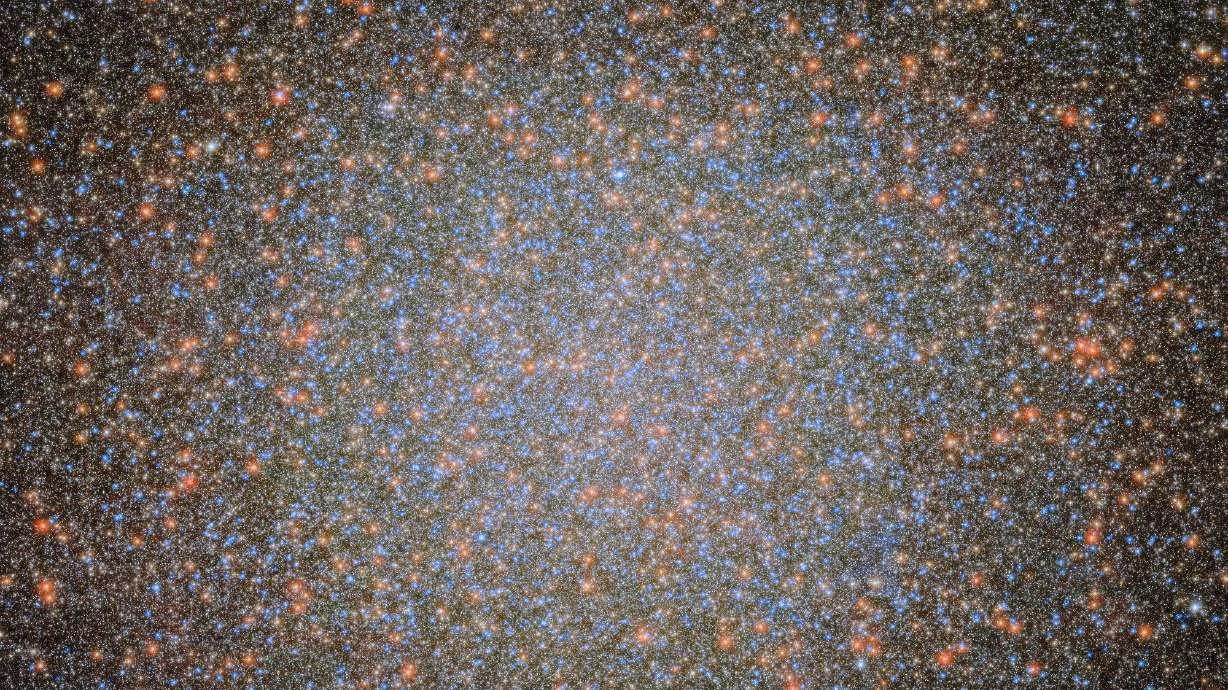
New research suggests that the high velocities of stars in Omega Centauri, the Milky Way's largest star cluster, are likely due to a cluster of stellar-mass black holes rather than a single intermediate-mass black hole (IMBH). By combining data on stellar velocities and pulsar accelerations, scientists from the University of Surrey and collaborators have provided evidence favoring the presence of multiple smaller black holes. This finding helps resolve a long-standing debate and advances the search for IMBHs, which could bridge the gap between stellar-mass and supermassive black holes.

Astronomers Uncover Hidden Black Hole in Star Cluster
science2 years ago

Astronomers Uncover Hidden Black Hole in Star Cluster

Researchers from the University of Utah and the Max Planck Institute for Astronomy have discovered an intermediate-mass black hole in the Omega Centauri star cluster, a finding likened to discovering Bigfoot due to its rarity. This discovery, published in "Nature," was made by analyzing the motion of 1.4 million stars using over 500 Hubble images. The team plans to further study the black hole using the James Webb Space Telescope.

"X-ray Telescope Discovers Cosmic Black Widows: Spider Pulsars Devouring Stars"
space2 years ago

"X-ray Telescope Discovers Cosmic Black Widows: Spider Pulsars Devouring Stars"

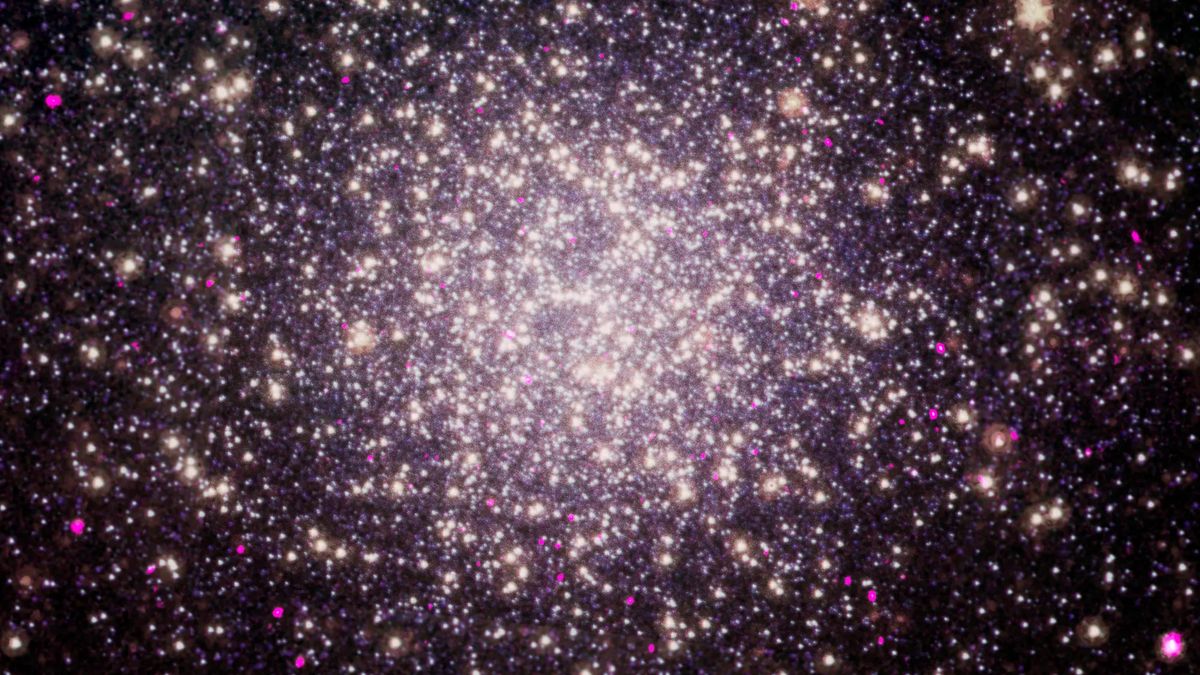
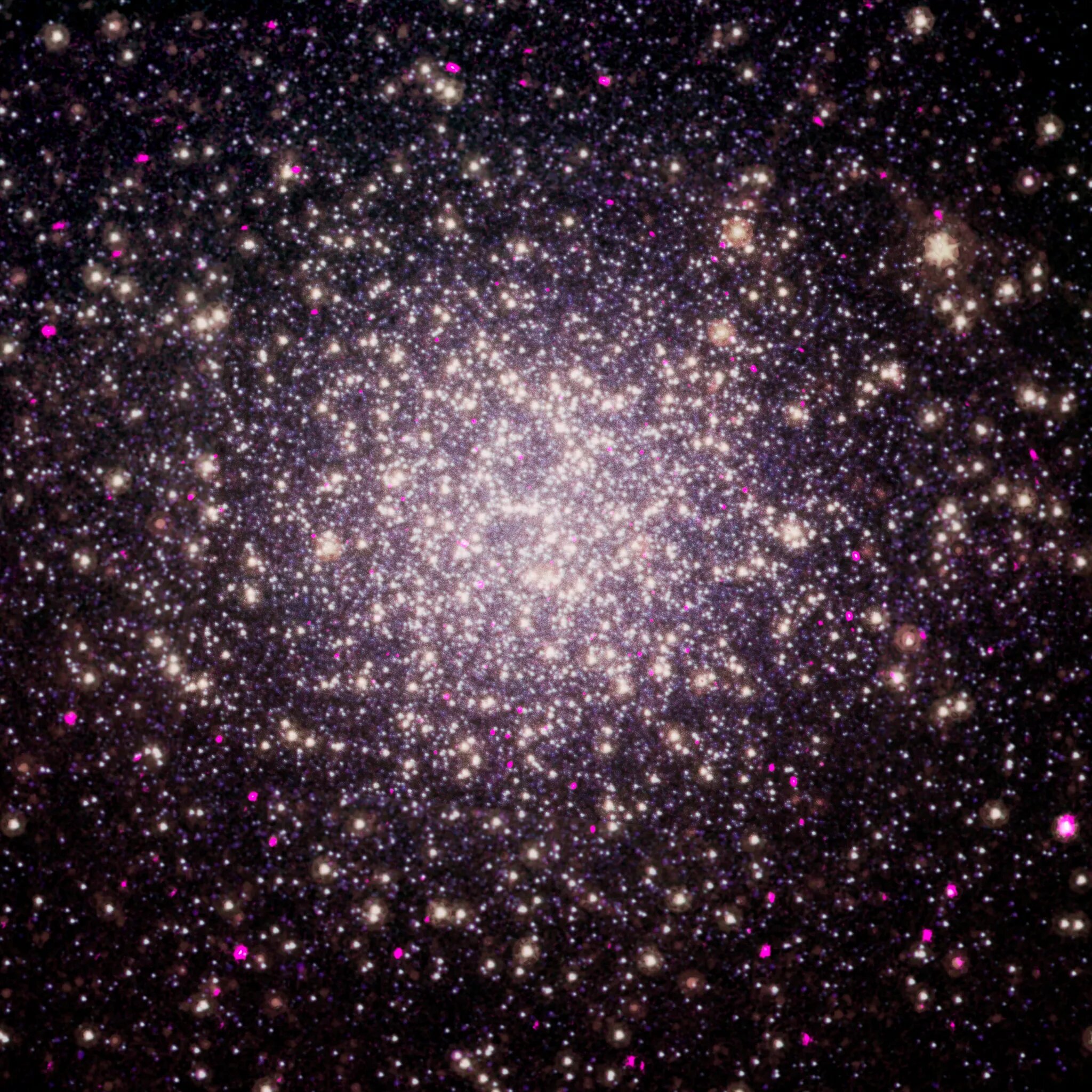
NASA's Chandra X-ray Observatory has observed a group of spider pulsars, rapidly spinning neutron stars, devouring their companion stars in the globular cluster Omega Centauri. The data collected could provide insights into how these cosmic "black widows" erode surrounding stars with intense radiation. The researchers found that redback pulsars, which devour larger stars, are brighter in X-rays than black widow pulsars, which consume smaller stars. The findings highlight the link between the mass of the stars being devoured and the radiation emitted. Chandra's sensitive X-ray vision is crucial for studying spider pulsars and other millisecond pulsars in globular clusters.

"Spider Pulsars: Stellar Destruction Captured by Chandra"
astronomy2 years ago

"Spider Pulsars: Stellar Destruction Captured by Chandra"

NASA's Chandra X-ray Observatory has captured data revealing that spider pulsars, a type of millisecond pulsar, are destroying their companion stars through winds of energetic particles. Astronomers discovered 11 millisecond pulsars emitting X-rays in the globular cluster Omega Centauri, with five of them being spider pulsars. The study found a correlation between X-ray brightness and the mass of the companion star, confirming previous work. The close proximity of the companion stars to the pulsars causes significant damage due to the energetic particles. Chandra's sharp X-ray vision is crucial for studying these pulsars in globular clusters.