
Mercury’s Polar Ice: How Billions of Tonnes Stay Frozen in Eternal Shadow
TL;DR Summary
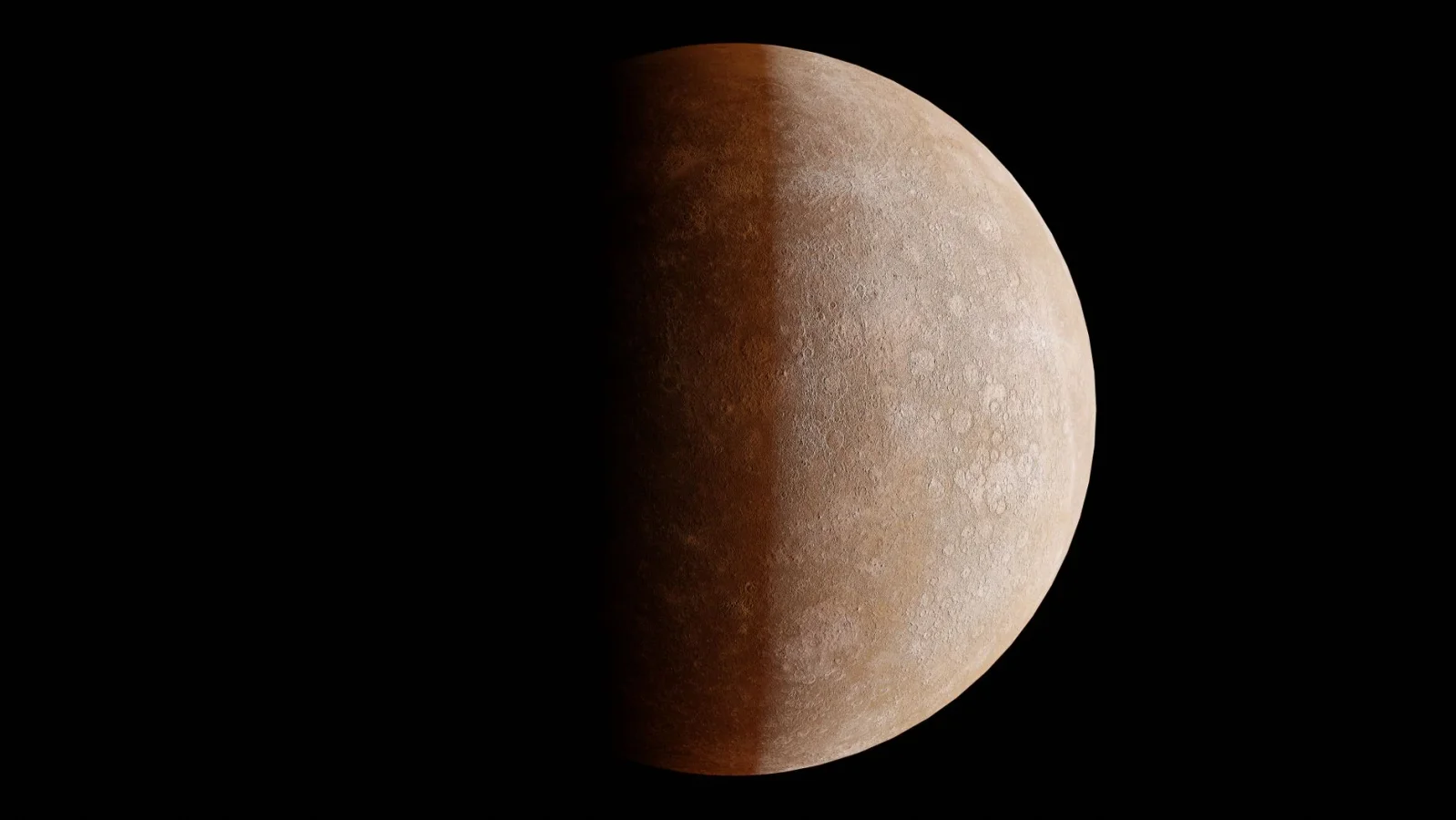
Mercury can reach about 430°C in sunlit areas, but its poles host billions of tonnes of water ice tucked in permanently shadowed craters. The planet’s near-absence of atmosphere and the geometry of crater shadows keep these deposits cold and insulated, so they persist rather than melt. The ice is likely delivered by comets, water-rich asteroids, or solar-wind interactions over time, not formed in place. MESSENGER measurements suggest a mass range from about 20 billion to 1 trillion tonnes, and the upcoming BepiColombo mission should refine these figures. The ice is better viewed as a frozen archive of volatile delivery rather than a subsurface ocean.
- How does the closest planet to the Sun, with a surface that hits 430 degrees at noon, hold on to billions of tonnes of ice that never melt? Space Daily
- Deep inside polar craters on Mercury, sunlight has never once fallen — and NASA's MESSENGER spacecraft confirmed in 2012 that those permanently shadowed floors hold ancient water ice, sitting metres from terrain hot enough to melt lead Space Daily
Reading Insights
Total Reads
1
Unique Readers
34
Time Saved
10 min
vs 11 min read
Condensed
95%
2,085 → 104 words
Want the full story? Read the original article
Read on Space Daily