Tag

Water Ice

All articles tagged with #water ice

Europa Plume Claims Doubted: Hydrogen Exosphere, Not Local Water Vapor
space-and-spaceflight6 days ago

Europa Plume Claims Doubted: Hydrogen Exosphere, Not Local Water Vapor

A new reanalysis of Hubble data reduces the 2014 claim of 200-km-high water-vapor plumes on Europa from 99.9% confidence to under 90%, suggesting the earlier signal may be statistical noise; meanwhile there’s evidence for a persistent hydrogen exosphere but no localized water vapor. Future missions like Europa Clipper and JUICE will help settle the question.

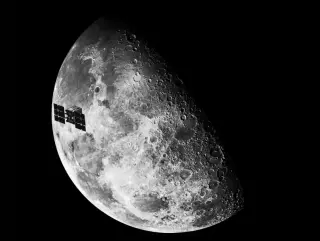
DARPA selects trio for ultra-low lunar-orbit water-ice probe
military-space26 days ago

DARPA selects trio for ultra-low lunar-orbit water-ice probe

DARPA has chosen Benchmark Space Systems, Quantum Space, and Revolution Space to conduct Phase 1 studies for LASSO, a six-month Phase 1A plus 18-month Phase 1B program to design a very-low lunar-orbit mission that would search for water ice at concentrations above 5% and demonstrate sustained maneuverability for future cislunar operations; Benchmark proposes the Sapphire propulsion/navigation architecture, Quantum Space is building on its Ranger concept with hybrid thrusters, and Revolution Space has not disclosed specifics.

Hidden Equatorial Ice Could Redefine Mars Missions
space1 month ago

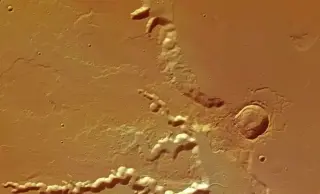
Hidden Equatorial Ice Could Redefine Mars Missions

ESA's Mars Express radar data reveal buried, ice-rich deposits up to 3.7 km thick in the Medusae Fossae Formation along Mars' equator, hinting at a vast ancient water reservoir. If confirmed, it could provide a near-equatorial water source for future missions and shed light on Mars's climate history; direct sampling hasn't occurred yet, and SHARAD data will be used to tighten the case.

ESA Eyes Laser-Driven Moon Rover to Probe Ice in Permanently Shadowed Craters
technology1 month ago

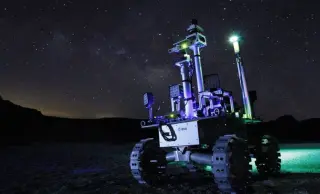
ESA Eyes Laser-Driven Moon Rover to Probe Ice in Permanently Shadowed Craters

A European concept named PHILIP would power a 250 kg lunar rover with a 500-watt infrared laser from a sunlit lander up to 15 km away, enabling operation in the Moon’s permanently shadowed, ice-rich regions by converting the laser into electricity with modified solar panels; the system also enables two-way data via a modulated retro-reflector, with field tests in Tenerife and plans for prototyping under ESA funding.

Ancient Moon shadowed craters may house the most water ice
space1 month ago

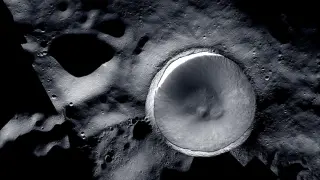
Ancient Moon shadowed craters may house the most water ice

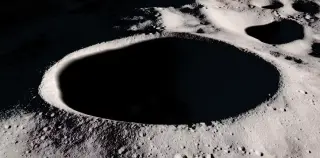
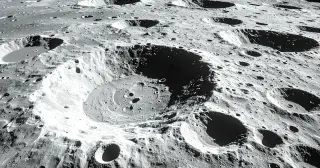
New analysis using Lunar Reconnaissance Orbiter temperature data and thermal models shows water ice is patchy and concentrated in the Moon’s oldest, longest-shadowed southern-polar craters, suggesting lunar water arrived gradually over about 3–3.5 billion years via multiple small impacts or interior outgassing rather than a single event; this enhances the case for ice mapping and utilization in upcoming Artemis-era missions.

NASA Sets Sights on a Permanent Moon Base Powered by Water and Nuclear Energy
space2 months ago

NASA Sets Sights on a Permanent Moon Base Powered by Water and Nuclear Energy

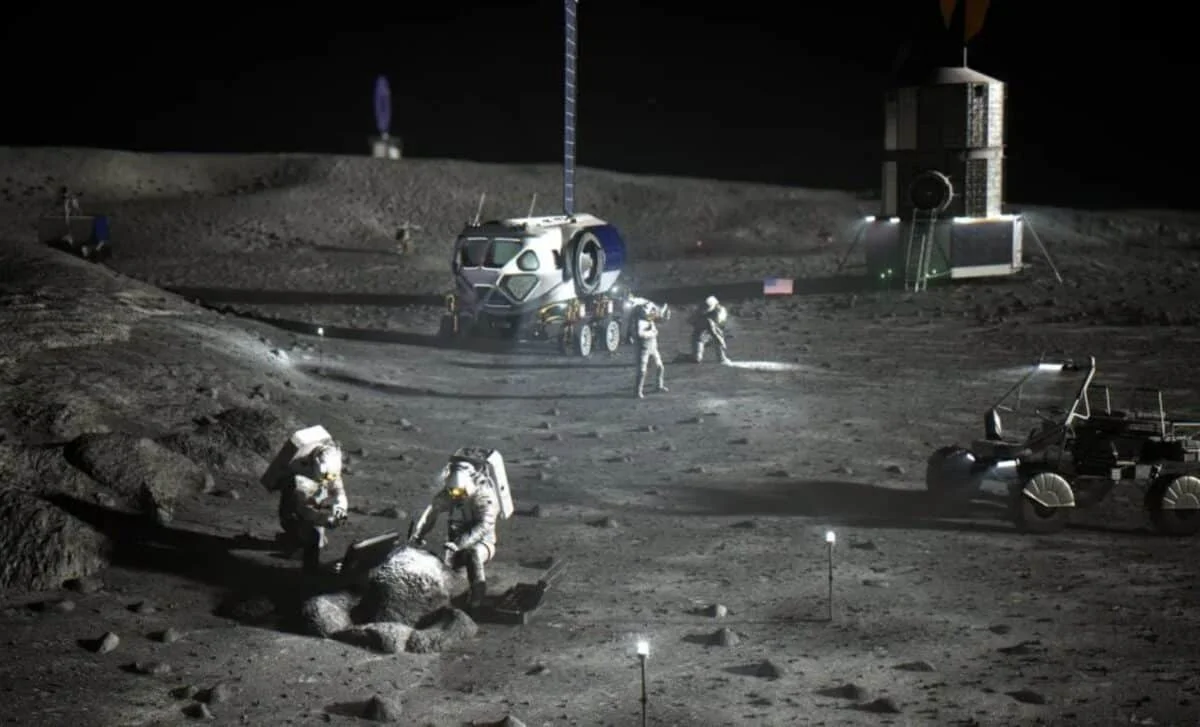
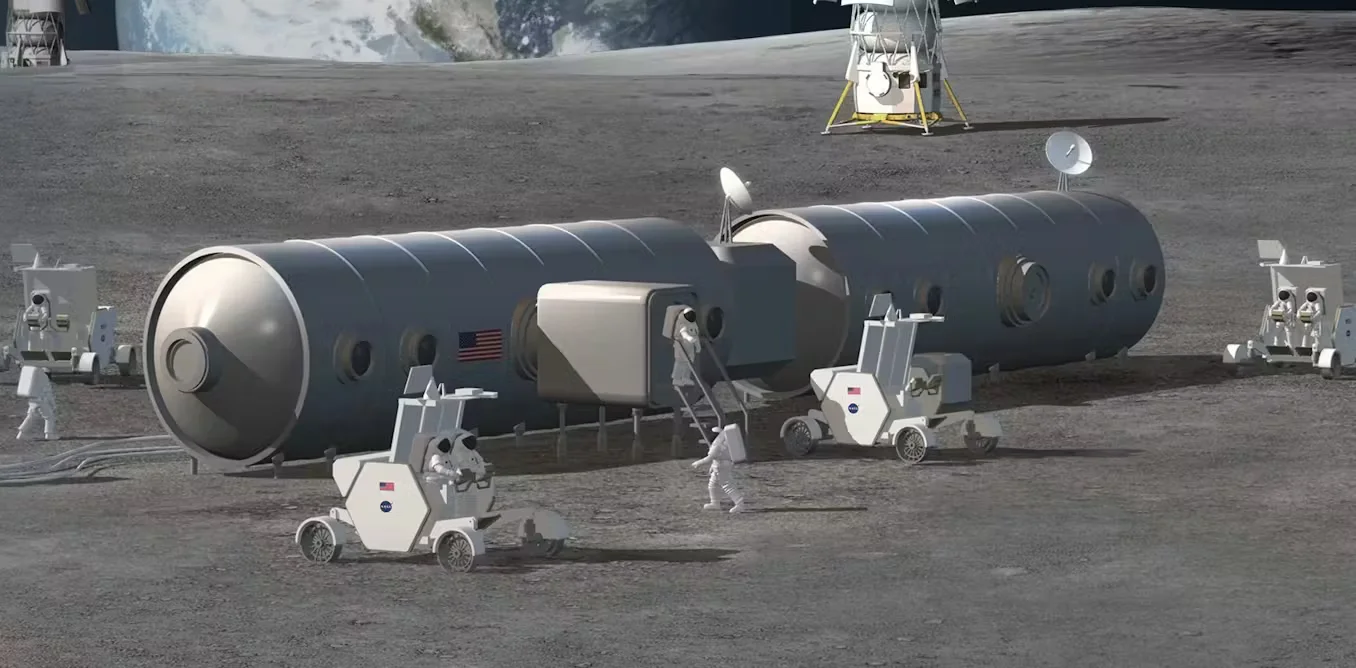
NASA outlines a plan to establish a permanent Moon base at the south pole, leveraging water ice for drinking water and rocket fuel, and powering the habitat with nuclear reactors to endure the long lunar night, supported by robotic precursor missions and international cooperation, with a target of deploying a lunar surface reactor by 2030 and expanding habitats over time.

Toward a permanent Moon base by 2030: power, water, and governance
science2 months ago

Toward a permanent Moon base by 2030: power, water, and governance

NASA aims to establish a sustained lunar outpost by 2030 as part of Artemis, prioritizing a high-latitude site near the south pole with water ice for life support and propellant, solar power supplemented by nuclear reactors for the long lunar night, and a staged build using robotic preps, inflatable habitats, and in-situ resource utilization, all while navigating governance under the Artemis Accords and the Outer Space Treaty and coordinating funding with international partners.

Scientists Identify Ideal Mars Landing Site for Future Missions
space-exploration4 months ago

Scientists Identify Ideal Mars Landing Site for Future Missions

Scientists have identified Amazonis Planitia on Mars as a promising site for future human landings due to its optimal conditions, including accessible subsurface water ice, which could support long-term missions and reduce reliance on Earth resupply. Further exploration is needed to confirm the presence of water ice, but this discovery marks a significant step toward establishing a human presence on Mars.

NASA's Mars Missions Reveal Water Ice and New Mysteries Beneath the Surface
science5 months ago

NASA's Mars Missions Reveal Water Ice and New Mysteries Beneath the Surface

Scientists have discovered shallow water ice beneath the surface of Mars in a mid-latitude region, which could serve as a crucial resource for future human missions by providing water, fuel, and insights into the planet's habitability. The findings suggest promising landing sites and highlight the importance of further exploration to confirm the ice's characteristics, aiding planning for future exploration efforts.