
Milky Way's Core Captured: Euclid Unveils 60 Million Stars and 50 Exoplanet Clues
TL;DR
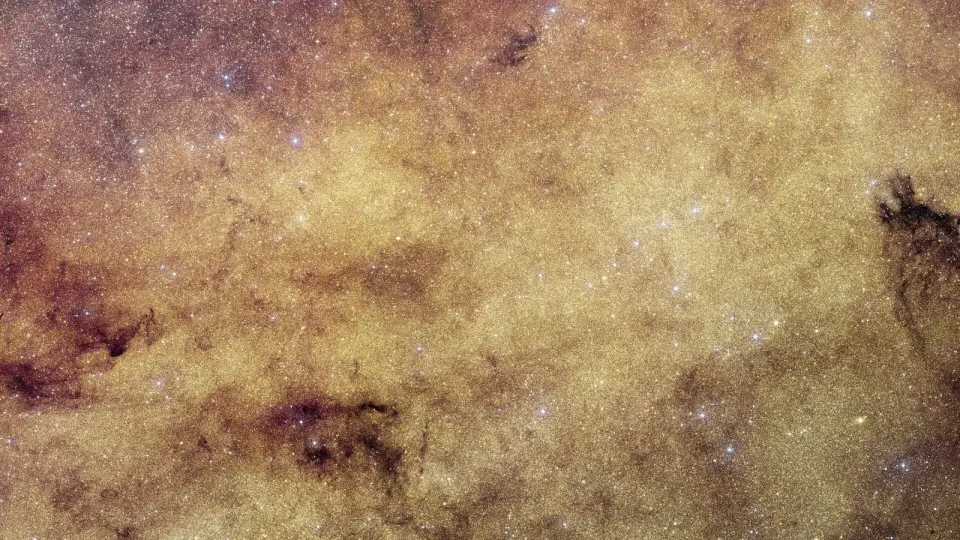
ESA’s Euclid telescope spent 26 hours in 2025 image‑capturing the Milky Way’s galactic bulge, yielding the largest high‑resolution visible-light image of the region with about 60 million stars and 51 known exoplanet systems. The dataset will help microlensing searches for planets—potentially revealing ice giants at wide orbits—and will serve as a time reference for past and future missions like the Roman Space Telescope, while advancing studies of stellar motions and galactic dust.
- This is the largest and most detailed image of our Milky Way — with over 60 million stars and 50 exoplanet systems Space
- ESA’s Euclid captures the Milky Way’s crowded heart European Space Agency
- New 60-Million-Star View Of Milky Way Opens Window For Exoplanet Hunting Yahoo
- Telescope captures most detailed image yet of Milky Way's heart: "Cosmic magnifying glass" CBS News
- Millions of stars light up largest and most detailed shot of Milky Way’s centre The Guardian
Want the full story? Read the original reporting
Read on Space