Tag

Euclid

All articles tagged with #euclid

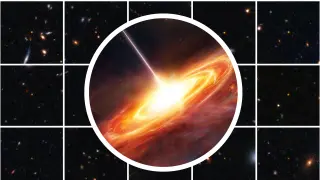
Ancient quasar reveals rapid black hole growth in the universe’s infancy
space1 day ago

Ancient quasar reveals rapid black hole growth in the universe’s infancy

Astronomers using ESA’s Euclid telescope identified 31 quasars dating to about 670 million years after the Big Bang, including the oldest quasar yet observed that shines with the light of roughly a trillion suns, helping explain how supermassive black holes grew so quickly and shedding light on the epoch of reionization; the findings, published in Astronomy & Astrophysics, come from Euclid’s Wide Survey which will map a large portion of the sky.
Euclid’s Milky Way Preview Boosts Roman’s Galactic Bulge Survey
space16 days ago

Euclid’s Milky Way Preview Boosts Roman’s Galactic Bulge Survey

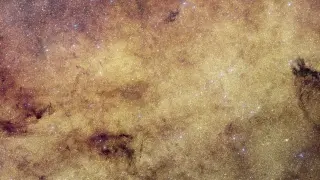
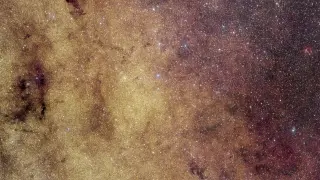
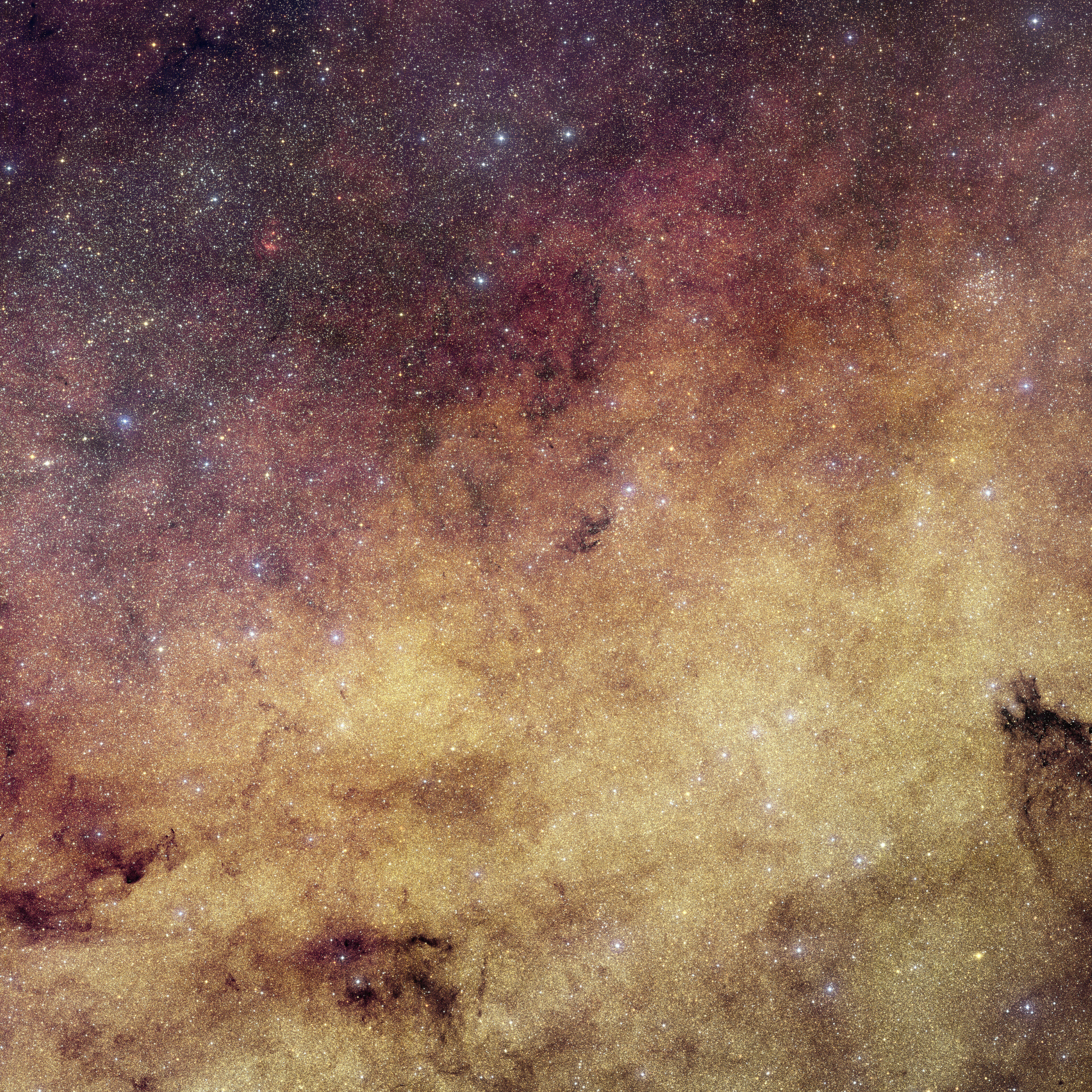
ESA’s Euclid captured a Milky Way core snapshot to precede NASA’s Roman Space Telescope’s deep Galactic Bulge survey. By adding Euclid’s one-day preview to Roman’s planned observations, scientists will extend the survey window, improve Milky Way mapping, and enhance the detection of microlensing events that can reveal exoplanets and wandering stellar-mass black holes.

Milky Way's Core Captured: Euclid Unveils 60 Million Stars and 50 Exoplanet Clues
space16 days ago

Milky Way's Core Captured: Euclid Unveils 60 Million Stars and 50 Exoplanet Clues

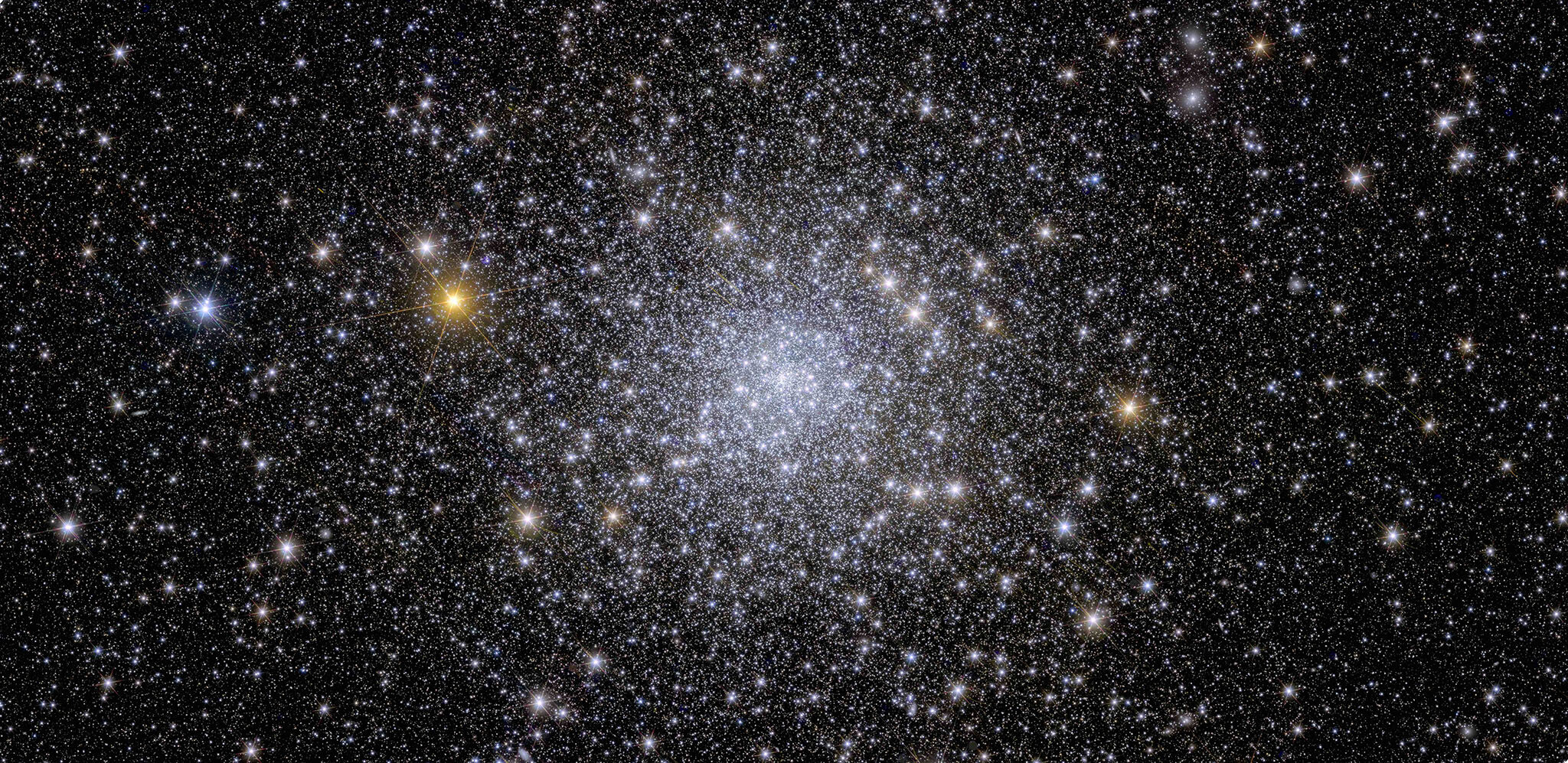
ESA’s Euclid telescope spent 26 hours in 2025 image‑capturing the Milky Way’s galactic bulge, yielding the largest high‑resolution visible-light image of the region with about 60 million stars and 51 known exoplanet systems. The dataset will help microlensing searches for planets—potentially revealing ice giants at wide orbits—and will serve as a time reference for past and future missions like the Roman Space Telescope, while advancing studies of stellar motions and galactic dust.

Euclid captures the Milky Way’s crowded heart to weigh exoplanets
space16 days ago

Euclid captures the Milky Way’s crowded heart to weigh exoplanets

ESA's Euclid produced the largest, most detailed visible-light image of the Milky Way's central bulge, cataloging over 60 million stars in a nine-pointing mosaic captured in ~26 hours. The view enables microlensing studies to detect and measure exoplanets in our galaxy and will serve as a past/future time reference for the Roman telescope; the data already include hosts of known cold exoplanets such as OGLE-2005-BLG-390Lb and OGLE-2013-BLG-341Lb.

Public Invited to Map the Cosmos by Finding Gravitational Lenses in Euclid Data
science2 months ago

Public Invited to Map the Cosmos by Finding Gravitational Lenses in Euclid Data

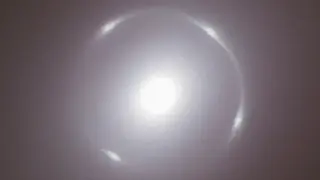
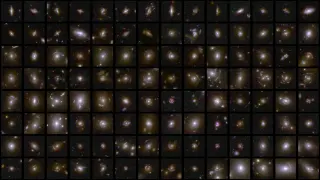
The European Space Agency’s Euclid survey has released a massive data set (about 72 million galaxies, roughly 30 times larger than earlier) and invites the public to help identify gravitational lenses via the Space Warps citizen-science project. AI has pre-selected around 300,000 candidate images, but human inspection remains key to spotting the subtle arcs and rings. The goal is to discover more than 10,000 new lenses, with early results from just 0.04% of the data yielding 500 lenses, enabling scientists to measure total mass (including dark matter) and study cosmic expansion. No physics degree is required—just curiosity.

Euclid Lens Hunt Invites the Public to Map Dark Matter with Space Warps
space-science2 months ago

Euclid Lens Hunt Invites the Public to Map Dark Matter with Space Warps

The European Space Agency’s Euclid telescope is powering a new citizen-science project on Zooniverse called Space Warps, enlisting volunteers to identify strong gravitational lenses in Euclid’s high‑quality images. This work helps study dark matter, dark energy, and cosmic expansion, with around 300,000 AI‑preselected images guiding the search and the team expecting to uncover more than 10,000 new lens candidates from Euclid Data Release 1.

Euclid Telescope Unveils Stunning Cosmic Wonders
space2 years ago

Euclid Telescope Unveils Stunning Cosmic Wonders

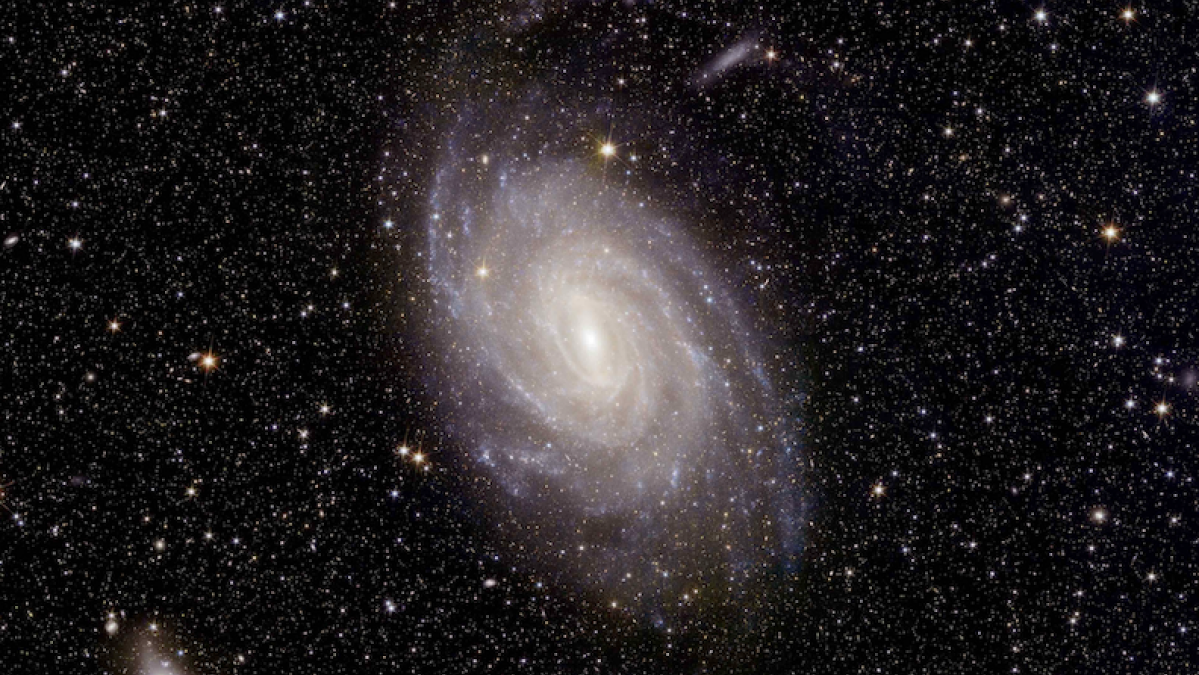
The European Space Agency's Euclid spacecraft has captured a highly detailed image of the spiral galaxy NGC 6744, often called a doppelganger of our Milky Way due to their similarities. This galaxy, located 30 million light-years away, is larger than the Milky Way and plays a crucial role in star formation through its spiral arms. The Euclid mission aims to investigate dark matter by observing the shapes, distances, and motions of billions of galaxies.

"Euclid Space Telescope's Vision Restored Through De-icing Campaign"
spacescience2 years ago

"Euclid Space Telescope's Vision Restored Through De-icing Campaign"

The European Space Agency successfully restored the vision of the Euclid "dark universe" telescope by conducting an experimental deicing campaign, which evaporated ice from the telescope's mirrors. Ice layers as thin as a single DNA strand had been affecting the telescope's ability to capture starlight, but heating one of its mirrors from a million miles away resulted in a 15% increase in light capture. While ice accumulation on space telescopes is not uncommon, the Euclid mission team plans to repeat the decontamination procedure every six to 12 months to maintain the telescope's vision as it aims to study dark matter and dark energy.

"Euclid Launches Dark Universe Survey"
science-and-exploration2 years ago

"Euclid Launches Dark Universe Survey"

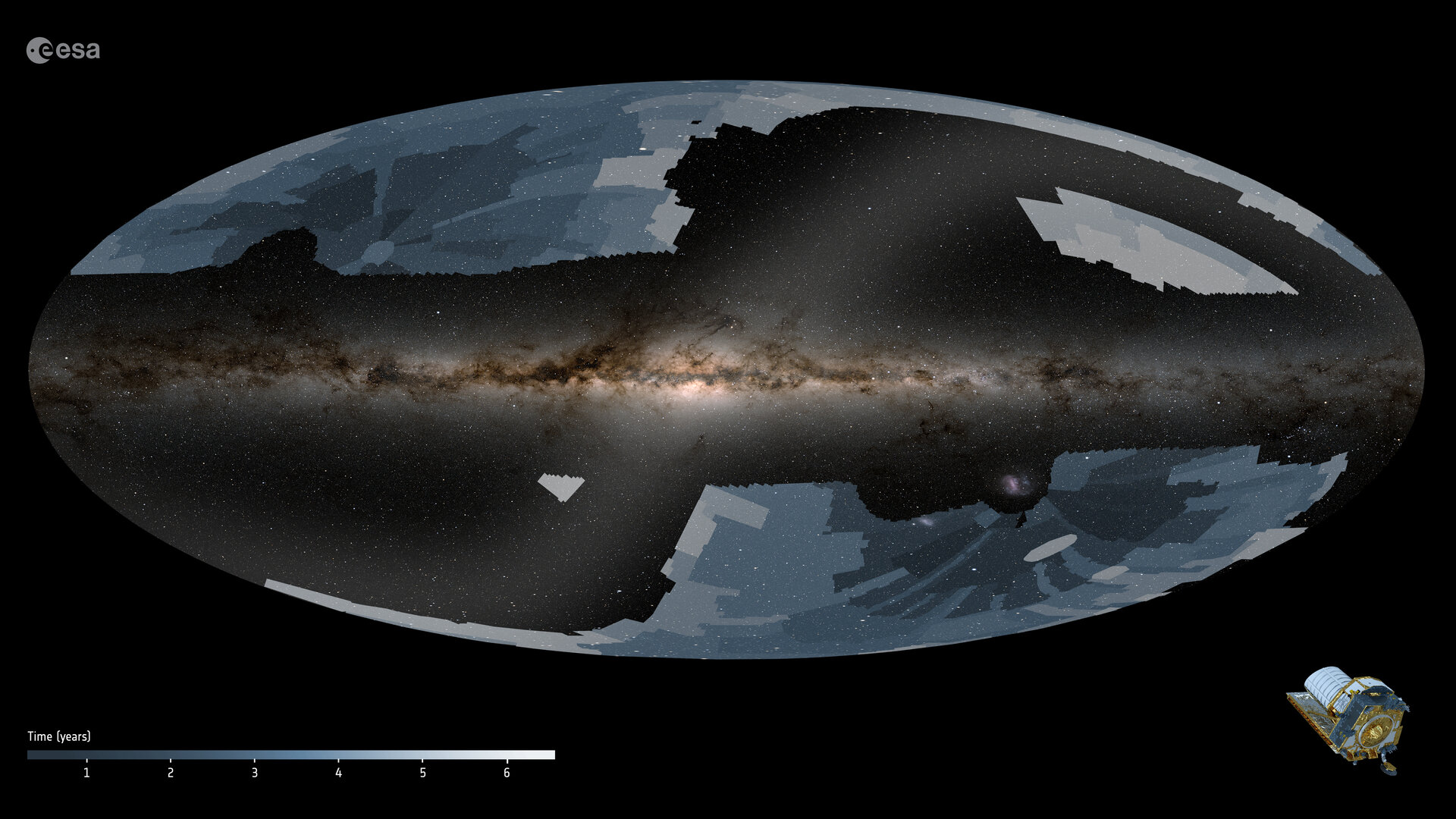
The European Space Agency's Euclid space telescope has commenced its survey of the dark Universe, aiming to observe billions of galaxies over 10 billion years of cosmic history. Despite encountering challenges with unwanted sunlight affecting its visibility, the team quickly re-designed the survey strategy to ensure its success. Euclid's wide and deep surveys over the next six years will provide valuable insights into the shapes of billions of galaxies and the distribution of dark matter in the Universe, with the first year of cosmology data expected to be released in summer 2026.

"Europe's Leading Space Telescope Unveils Secrets of the Universe"
science-and-technology2 years ago

"Europe's Leading Space Telescope Unveils Secrets of the Universe"

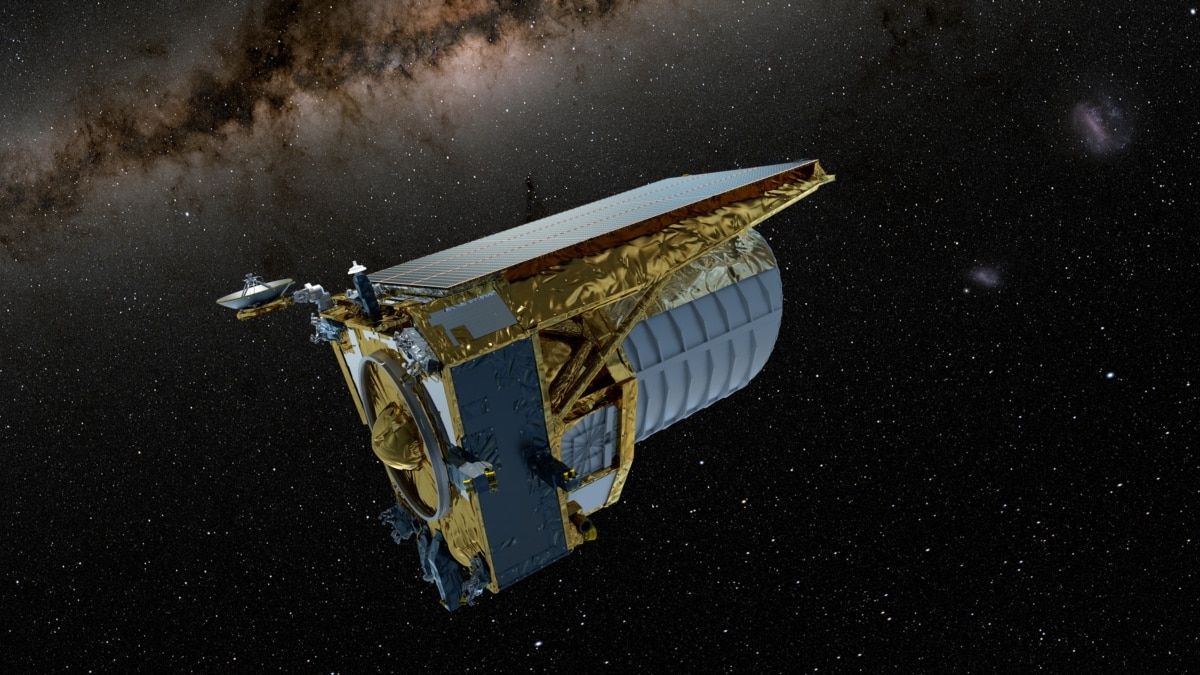
Euclid, a powerful new European space telescope, aims to provide unprecedented insights into the mysteries of the universe. It will observe the dark universe from its vantage point 1.5 million kilometers from Earth, taking images of billions of galaxies to understand dark energy and dark matter. Euclid will also reveal other mysteries, such as studying planets orbiting distant suns and discovering objects smaller than stars. The telescope will create a map of the matter distribution in the universe, improving our understanding of the links between galaxies and dark matter. Euclid's observations will offer a better measure of dark energy and help address the fundamental question of why the universe's expansion is accelerating.

Euclid's Colorful Debut: Unveiling the First Color Pictures
space2 years ago

Euclid's Colorful Debut: Unveiling the First Color Pictures

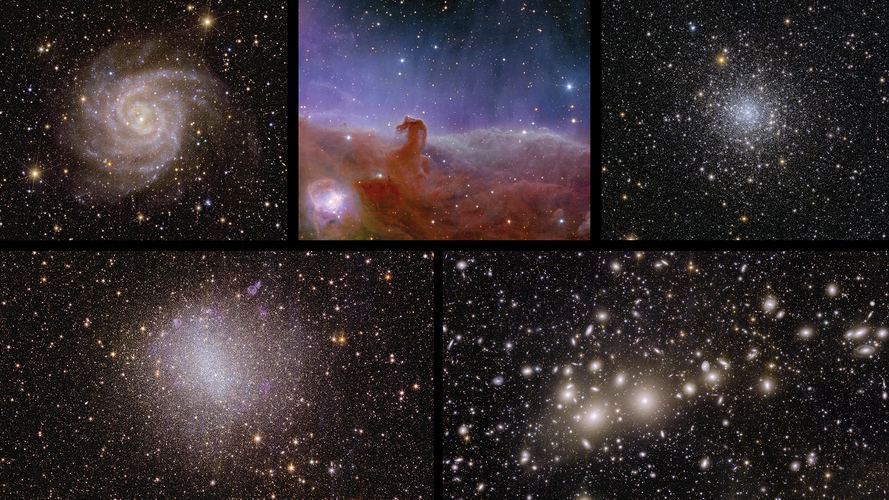
The European Space Agency's Euclid telescope has released its first set of images, including a breathtaking shot of the Perseus Cluster, which contains over 1,000 galaxies and around 100,000 additional galaxies in the background. Euclid's infrared imaging system also captured images of familiar objects like the spiral galaxy IC 342 and the Horsehead Nebula. The telescope's mission is to study dark matter and its effects on galaxy formation, and it plans to release data from its full scientific observations starting in early 2024.

"Euclid Space Telescope Unveils Stunning Images of the Dark Universe"
science-and-technology2 years ago

"Euclid Space Telescope Unveils Stunning Images of the Dark Universe"

The Euclid space telescope, a joint mission between the European Space Agency (ESA) and NASA, has released its first images, showcasing its ability to observe billions of galaxies up to 10 billion light years away. The telescope aims to study dark matter and dark energy, which are believed to make up 95% of the universe. Scientists hope that the mission will provide a better understanding of how galaxies formed and the nature of the dark universe.