
NASA Commits $359M to Revive Boeing Starliner as SpaceX Dragon Nears Retirement
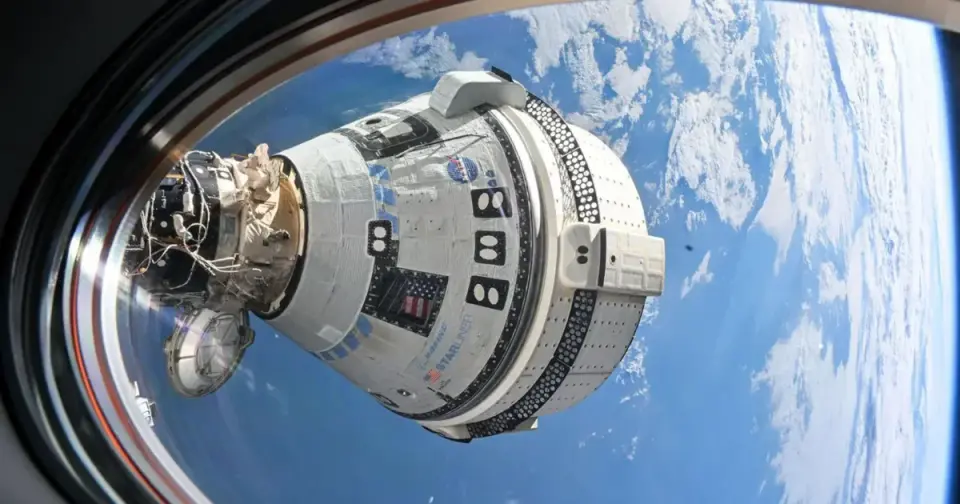
NASA has committed an additional $359 million to Boeing to repair Starliner’s thrusters and certify the Vulcan Centaur rocket for crewed missions. Following a disastrous 2024 test flight that stranded astronauts for nine months, NASA plans an uncrewed Starliner-1 test in late 2026 or early 2027, with a crewed return targeted for 2028. This move secures a backup option as SpaceX prepares to retire its Crew Dragon capsule in the 2030s, though concerns remain about Starliner’s reliability and the impending retirement of the ISS.
Key points
- NASA Administrator Jared Isaacman announced a new roadmap for Starliner, including an uncrewed test flight no earlier than December 2026 and a crewed mission by 2028.
- The agency is spending $359 million to fix Starliner’s reaction control thrusters and certify the United Launch Alliance’s Vulcan Centaur rocket as a replacement for the retiring Atlas V.
- NASA is exercising options for two additional Starliner flights, bringing the total to six, to ensure continued access to low Earth orbit.
- Astronaut Woody Hoburg is designated to command the next crewed Starliner mission, acknowledging the 'inadequate systems engineering' that caused the 2024 mishap.
- SpaceX has signaled it will retire its Crew Dragon capsule in the 2030s to focus on Starship, forcing NASA to rely on Starliner despite its history of technical failures.
Background
In 2024, Starliner’s first crewed test flight ended in disaster when helium leaks and thruster outages stranded astronauts Suni Williams and Butch Wilmore on the ISS for nine months. NASA later classified the incident as a 'Type A mishap,' comparable to the Columbia and Challenger disasters. The agency’s Program Investigation Team identified 61 recommendations to fix the program, focusing on thruster performance and thermal issues. This latest announcement follows earlier reports in September 2026 that NASA was weighing additional Starliner contracts to maintain US crewed access to space.
How outlets are covering it
Futurism emphasizes the 'humiliating saga' of Starliner and questions whether NASA is forced to use a flawed spacecraft due to SpaceX’s exit strategy. CNN highlights the 'scathing indictment' from NASA leadership and the specific technical failures, such as thruster damage occurring on the ground. NASA’s official statement frames the move as essential for 'responsibly concluding space station operations' and maintaining multiple crew transportation options. SpaceX’s Gwynne Shotwell bluntly noted that Boeing has been paid more than SpaceX for its capsule, suggesting the agency is prioritizing Boeing’s development over its own legacy systems.
Why it matters
This decision determines the future of US crewed access to low Earth orbit. With the ISS set for retirement in the early 2030s and SpaceX shifting focus to Starship, Starliner’s success is critical for transitioning to commercial space stations. The $359 million investment and the 2028 timeline represent a high-stakes bet on a spacecraft that has yet to complete a successful crewed mission, potentially impacting the entire Commercial Crew Program's viability.
What to watch
NASA and Boeing will conduct the uncrewed Starliner-1 mission in late 2026 or early 2027 to validate thruster improvements. Following this, they will implement a thruster valve design modification and certify the Vulcan Centaur rocket. The first crewed mission, commanded by Woody Hoburg, is targeted for 2028, with the goal of establishing a reliable backup to SpaceX’s Crew Dragon.
- NASA Has Been So Thoroughly Screwed by Boeing's Disastrous Starliner That It's Now Throwing Its Entire Access to Space Into Question Futurism
- Boeing's Starliner won't launch astronauts until 2028 (and may need a new rocket), NASA says Space
- NASA reveals new plan for Boeing’s troubled Starliner spacecraft and commander of future mission CNN
- NASA, Boeing Share Update on Commercial Starliner Development Plans NASA (.gov)
- NASA plans unpiloted Starliner test flight at end of year Spaceflight Now
Want the full story? Read the original reporting
Read on Futurism