
NASA commissions fifth 34-meter Deep Space Network antenna in California to ease communication strain
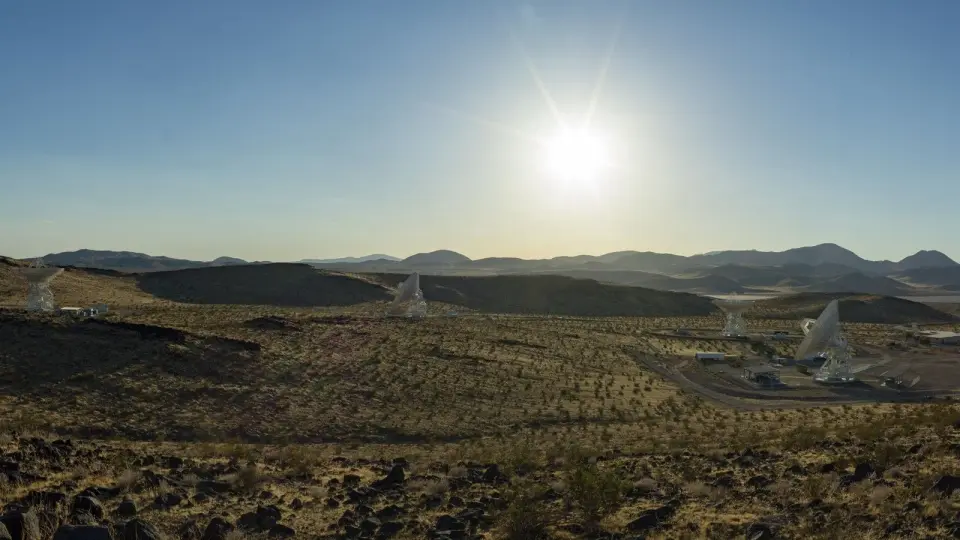
NASA has commissioned Deep Space Station 23, a new 34-meter radio antenna at the Goldstone complex in California, to expand the capacity of its Deep Space Network (DSN). The network, which supports over 40 spacecraft including Voyager 1 and 2, faces increasing demand from missions like Artemis. This new facility is the fifth of six planned 34-meter antennas, with the final one expected in Australia by 2029.
Key points
- NASA activated Deep Space Station 23 on August 3, 2026, at the Goldstone complex near Barstow, California.
- The new 34-meter antenna is designed to increase capacity for the Deep Space Network, which currently supports more than 40 spacecraft.
- The DSN faces strain due to high-priority communications for crewed Artemis missions, which reduce availability for robotic spacecraft.
- This is the fifth of six 34-meter antennas planned under the Aperture Enhancement Project, with the final one (DSS-33) in Canberra scheduled for 2029.
- The project has faced significant cost overruns, rising from an initial $362.4 million to $706 million, and is nearly five years behind schedule.
Background
The Deep Space Network (DSN) consists of three complexes: Goldstone in California, Madrid in Spain, and Canberra in Australia. Each site has large 70-meter antennas and smaller 34-meter dishes. In July 2026, wildfires near Madrid forced the evacuation of the Madrid complex, temporarily shifting operations to Goldstone. This incident highlighted the vulnerability of the DSN to extreme weather and the critical importance of having redundant capacity. The DSN is essential for communicating with distant spacecraft like Voyager 1 and 2, which have been operating for decades, and newer missions like the James Webb Space Telescope and Artemis.
How outlets are covering it
Space.com emphasizes the growing demand on the DSN, particularly from the Artemis program, which prioritizes crewed missions over robotic ones, leading to reduced availability for other spacecraft. Brad Arnold, DSN manager at JPL, warned that missions should expect less network availability. UA.News provides additional context on the Aperture Enhancement Project, noting that the new antenna is the fifth of six planned, and highlights the significant cost overruns and schedule delays associated with the project. Both sources agree on the need for expanded capacity but differ in emphasis: Space.com focuses on the operational strain from Artemis, while UA.News focuses on the broader project timeline and financial challenges.
Why it matters
The expansion of the Deep Space Network is crucial for maintaining communication with a growing number of deep-space missions, including those exploring the solar system and interstellar space. The new antenna will help alleviate the strain on the network, ensuring that both crewed and robotic missions can receive necessary support. This is particularly important as NASA continues to pursue ambitious goals like the Artemis program, which requires high-priority communications. The expansion also underscores the importance of redundancy and resilience in the DSN, as demonstrated by the recent wildfire incident in Madrid.
What to watch
NASA expects to commission the final 34-meter antenna, DSS-33, in Canberra, Australia, by 2029. This will complete the Aperture Enhancement Project, which aims to increase the capacity of the DSN. The agency will continue to monitor the performance of the new antenna and its impact on the overall network. Additionally, NASA will need to manage the growing demand for communications from new missions, including those in the Artemis program, to ensure that all spacecraft receive the necessary support.
Want the full story? Read the original reporting
Read on Space