NASA powers up deep-space comms with a 34-meter California antenna
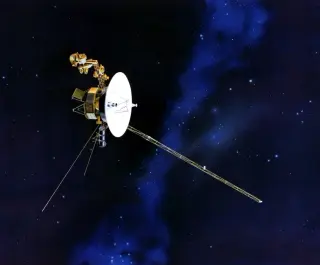
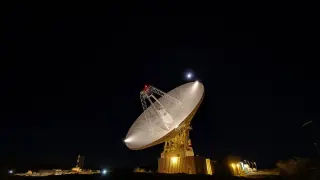
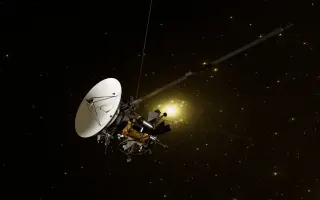
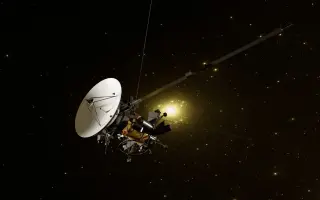
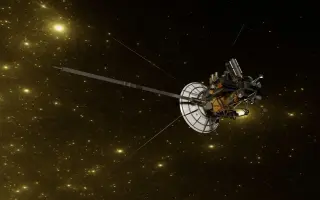
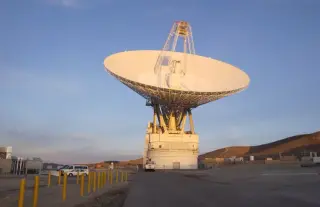
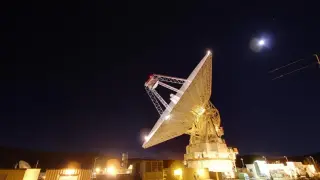
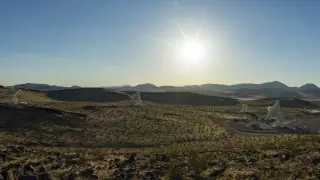
NASA has added a 34-meter antenna (DSS-23) at the Deep Space Network’s Goldstone complex in California to boost capacity as Artemis and other missions drive high demand. The new dish is the fifth of six antennas under the Aperture Enhancement Project, with final antenna DSS-33 planned for Canberra by 2029. DSN spans three complexes (Goldstone, Madrid, Canberra) and has long supported Apollo, Mars rovers, and Voyager probes. The project has faced rising costs and delays (about $362 million in 2015 up to roughly $706 million by 2023). Artemis priorities may limit availability for robotic missions, underscoring the network’s growing bottlenecks despite the new antenna.”,