
NASA Selects GIMLI Mission to Probe Lunar Lava Tubes for Future Habitats
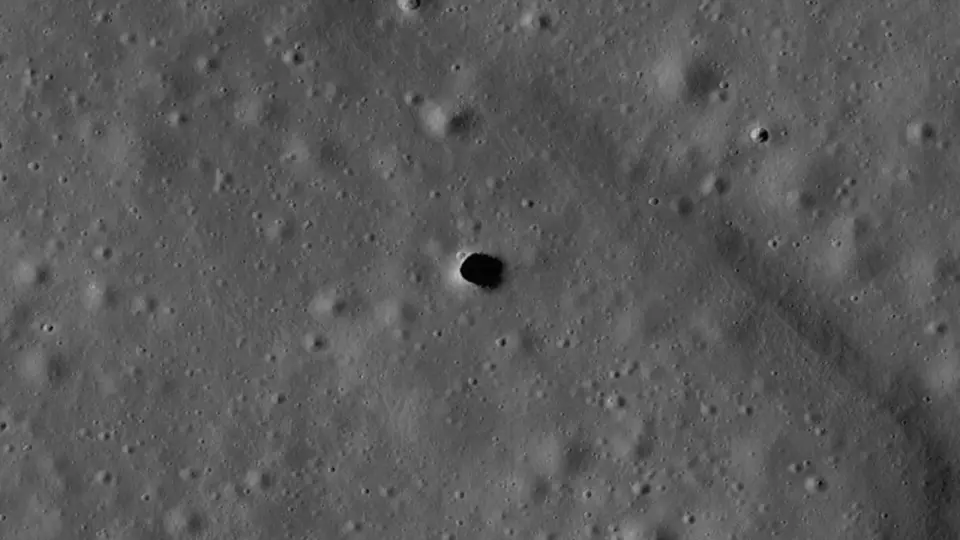
NASA has selected the GIMLI project to investigate the Marius Hill Pit on the Moon, aiming to confirm the existence of underground lava tubes that could serve as natural shelters for future astronauts. Led by the Planetary Science Institute and partnered with Honeybee Robotics, the mission will use ground-penetrating radar and seismic sensors to scan beneath the surface. If a large cave is found, it could provide protection from radiation and extreme temperatures, supporting NASA’s long-term goals for a sustained lunar presence.
Key points
- NASA selected GIMLI (Geophysical Instruments for Marius Lunar pit Investigation) under its PRISM program to investigate the Marius Hill Pit.
- The mission aims to detect and map a potential underground lava tube extending from the pit, which could offer natural shelter for astronauts.
- GIMLI is led by the Planetary Science Institute (PSI) in partnership with Honeybee Robotics and the Norwegian Space Agency.
- The mission will deploy ground-penetrating radar, seismic sensors, a gravimeter, and cameras to analyze subsurface structures.
- Even if no cave is found, the data will help explain the formation of the pit and the volcanic history of the region.
Background
Previous analyses of Lunar Reconnaissance Orbiter data suggested the presence of a cave under a pit in Mare Tranquillitatis, but the extent remained unknown. Recent Artemis II data has further informed landing site safety assessments, highlighting the need for robust subsurface mapping. The current GIMLI mission represents a direct surface investigation to validate these orbital findings and assess the viability of natural caves for future human habitation.
How outlets are covering it
Space.com emphasizes the potential for lava tubes to serve as 'bunkers' against micrometeorites and radiation, framing the mission as a key step for future lunar bases. Universe Today and ScienceDaily highlight the scientific value of the mission, noting that even a negative result would provide crucial data on lunar geology and volcanic history. Universe Space Tech provides specific measurements of the Marius Hill Pit, noting it is 49 to 57 meters across and approximately 44 to 51 meters deep, while also clarifying that Honeybee Robotics is a Blue Origin company. All sources agree on the collaborative nature of the project, involving PSI, Honeybee Robotics, and the Norwegian Space Agency, with funding through NASA’s PRISM program and hardware provided via the Commercial Lunar Payload Services (CLPS) initiative.
Why it matters
Confirming the existence of large, stable lava tubes on the Moon could significantly reduce the cost and complexity of establishing a permanent human presence. Natural caves offer inherent protection from the harsh lunar environment, including radiation and temperature extremes, potentially serving as initial habitats or safe havens for astronauts. This mission is a critical step in transitioning from short-term exploration to sustained lunar development, aligning with NASA’s Artemis program goals.
What to watch
The GIMLI mission will launch aboard a lander and rover provided through the CLPS initiative, though the specific launch date and provider have not yet been announced. Once on the surface, the instruments will conduct active seismic surveys and radar scans to determine the size and extent of any subsurface voids. The data collected will be analyzed to assess the stability and accessibility of any discovered caves for future human missions.
- NASA's hunting for a secret underground cave on the moon Space
- NASA Selects GIMLI to Search the Marius Lunar Pit for a Potential Lunar Base Site Universe Today
- This mysterious hole on the Moon may open into a giant cave ScienceDaily
- Search for a hidden lava tunnel on the Moon Universe Space Tech
- Strange hole found on moon could lead to future astronaut shelter Yahoo News UK
Want the full story? Read the original reporting
Read on Space