Tag

Lava Tubes

All articles tagged with #lava tubes

Pillbug robot to shed thousands of tiny wind-powered drones for Martian lava-tube mapping
space-exploration1 day ago

Pillbug robot to shed thousands of tiny wind-powered drones for Martian lava-tube mapping

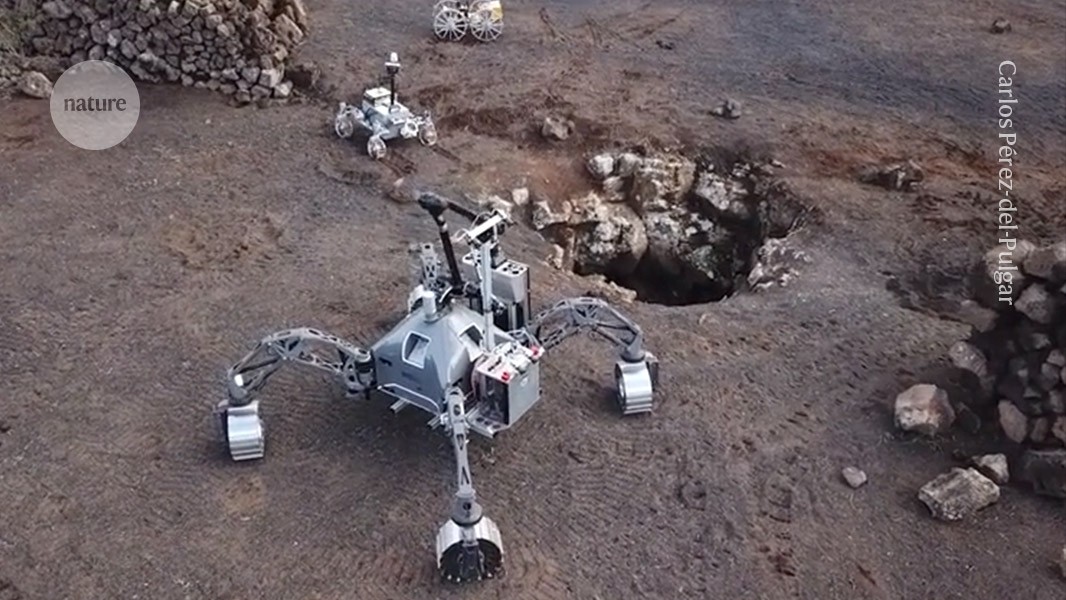
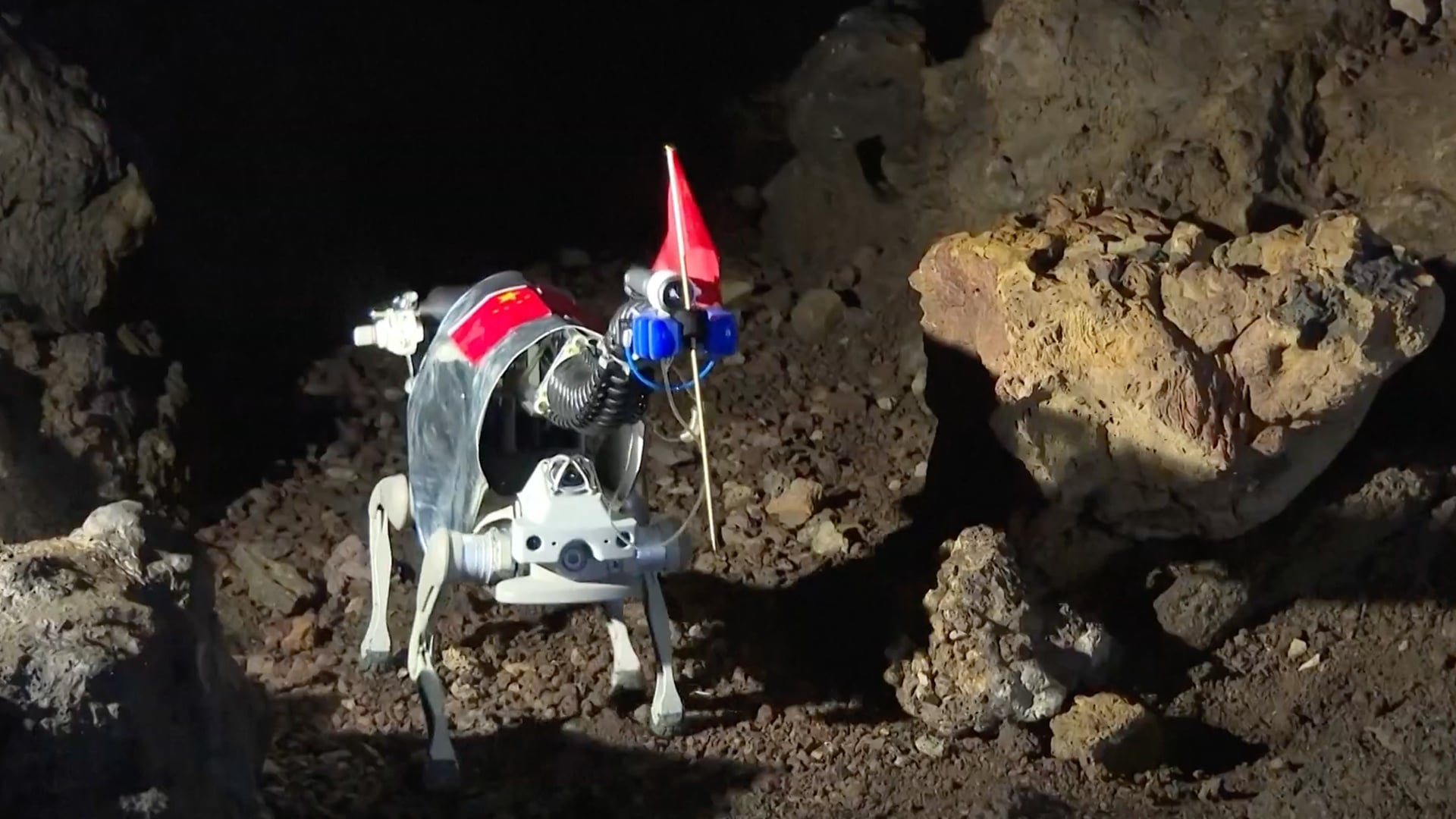
Scientists are proposing a biomimicry-inspired mission concept in which a pillbug‑like “roly‑poly” robot would crawl into Martian lava tubes and release thousands of micro‑drones (the “dandelion drones”). The drones would be powered by piezoelectric energy and carried into the caves by a parachute, then flown by Mars’ winds to map the tunnel network and collect environmental data. Because sunlight doesn’t reach the caves, the drones would not rely on solar power and would be painted white to travel farther. The plan highlights wind in caves as both a potential aid and a challenge, and includes a high‑powered fan to keep drones aloft if winds are weak. NASA and other groups have explored lava tubes on Mars and in analog sites, and the concept underscores broader interest in using drone swarms to scout difficult terrain (including future targets like Titan’s caves).
Saudi Lava Tubes Uncover 7,000 Years of Pastoral Life
science1 month ago

Saudi Lava Tubes Uncover 7,000 Years of Pastoral Life

Researchers at Umm Jirsan, a vast lava tube north of Medina, Saudi Arabia, found repeated human occupation from the Neolithic to Bronze Age, indicating the cave served as a stop along ancient pastoral routes. Rock art depicts cattle, sheep, goats, and dogs, while isotopic analysis shows livestock fed mainly on wild vegetation, suggesting an gradual shift toward oasis-based agriculture. This is the first in-depth study of lava tubes in Saudi Arabia and underscores caves’ value as time capsules when surface traces fade.

Venus Unveils Its Largest Known Lava Tube
science3 months ago

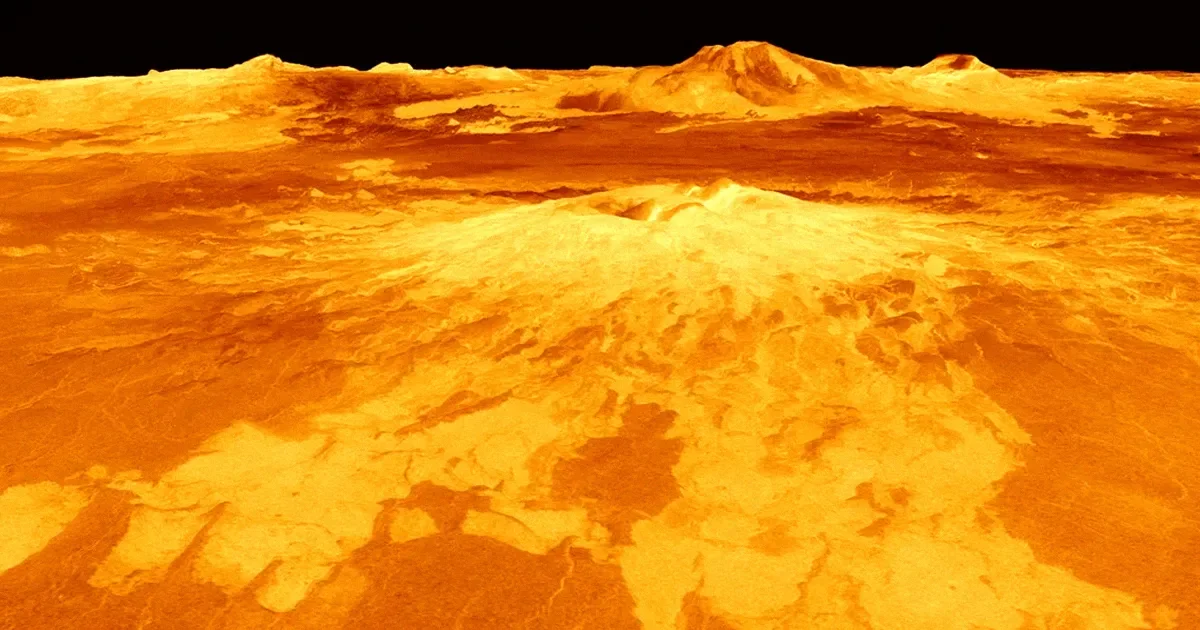
Venus Unveils Its Largest Known Lava Tube

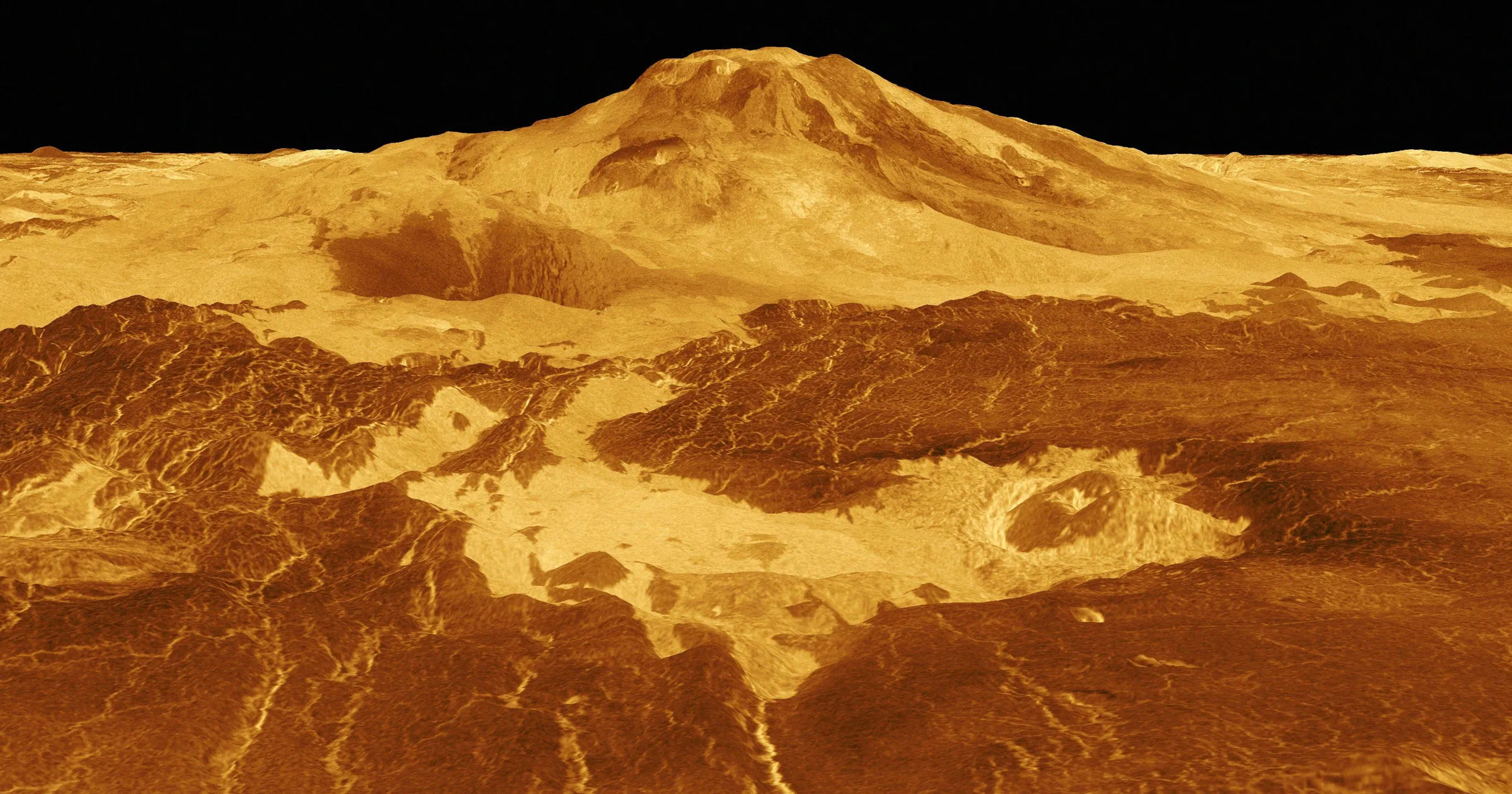
A Nature Communications study using NASA’s Magellan radar data finds a giant subsurface lava tube beneath Venus’ Nyx Mons, about 1 kilometer in diameter and potentially extending at least 45 kilometers, providing the strongest direct evidence yet of Venusian lava tubes; confirming the full extent will require higher-resolution radar data.

Venus Might Harbor Enormous Subsurface Lava Tubes, Study Indicates
space3 months ago

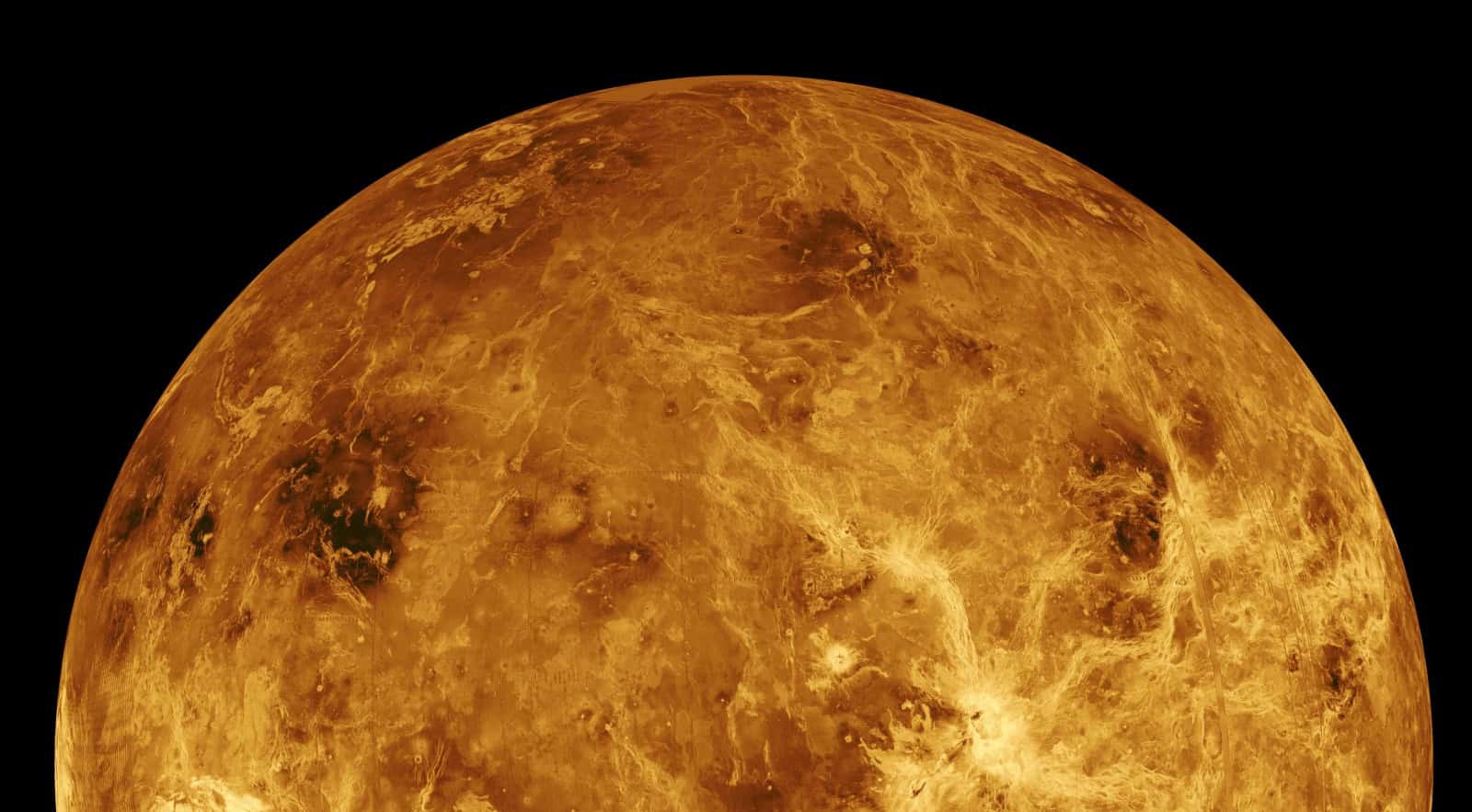
Venus Might Harbor Enormous Subsurface Lava Tubes, Study Indicates

Using Finite Element Limit Analysis, researchers estimate Venus could host giant lava tubes hundreds of meters wide—up to about 1 kilometer (0.62 miles)—beneath its harsh surface, forming large subsurface channels; confirming them would require future missions like NASA's DAVINCI and VERITAS to image and probe the subsurface, though extreme conditions and funding debates may delay verification.

Venus May Hide Kilometer-Wide Lava Tubes Beneath the Surface
space3 months ago

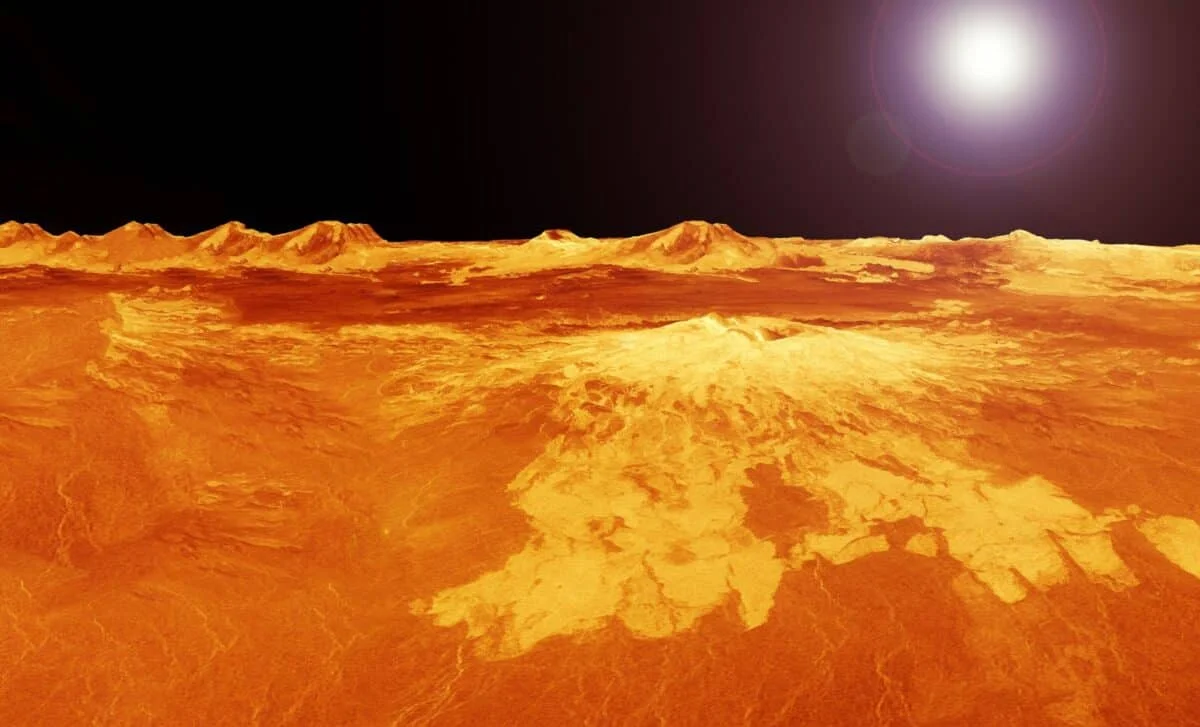
Venus May Hide Kilometer-Wide Lava Tubes Beneath the Surface

New modeling suggests Venus could harbor underground lava tubes up to about 1 kilometer wide, implying a vast subsurface network. Surface radar observations hint at ongoing volcanism, especially at Maat Mons and Idunn Mons, while simulations indicate explosive plumes could reach tens of kilometers into the atmosphere, informing future missions to study Venus's geology and atmospheric chemistry.

Mysterious Martian Hole May Be Vital for Future Astronaut Survival
space-exploration4 months ago

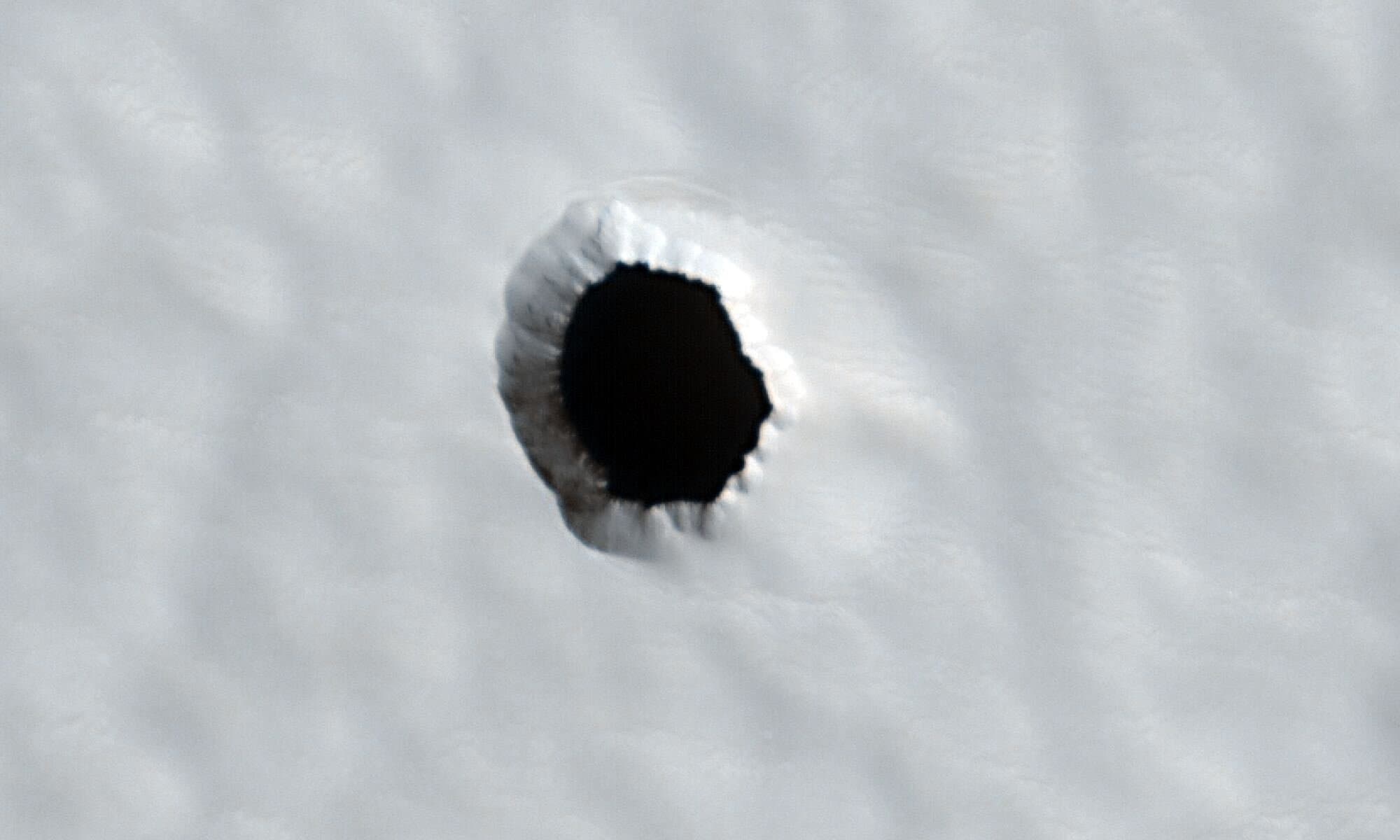
Mysterious Martian Hole May Be Vital for Future Astronaut Survival

Scientists have discovered a mysterious hole on Mars that could be a skylight leading to lava tubes, which may serve as protective habitats for future human explorers by shielding them from radiation and harsh environmental conditions. The hole's exact nature is still under investigation, but it represents a promising avenue for exploring underground refuges on Mars, similar to lunar lava tubes, and could be crucial for sustainable colonization.

Scientists Discover Massive Lava Tubes on Venus, Raising New Scientific Questions
science8 months ago

Scientists Discover Massive Lava Tubes on Venus, Raising New Scientific Questions

Scientists have confirmed the existence of massive underground lava tubes on Venus, which are similar to those on the Moon but larger, potentially due to Venus' unique geological conditions. These findings could enhance understanding of Venus' geological history and support future exploration missions, such as the European Space Agency's EnVision mission set for 2031.

Volcanic Caves on Earth Offer Clues to Life on Mars
science1 year ago

Volcanic Caves on Earth Offer Clues to Life on Mars

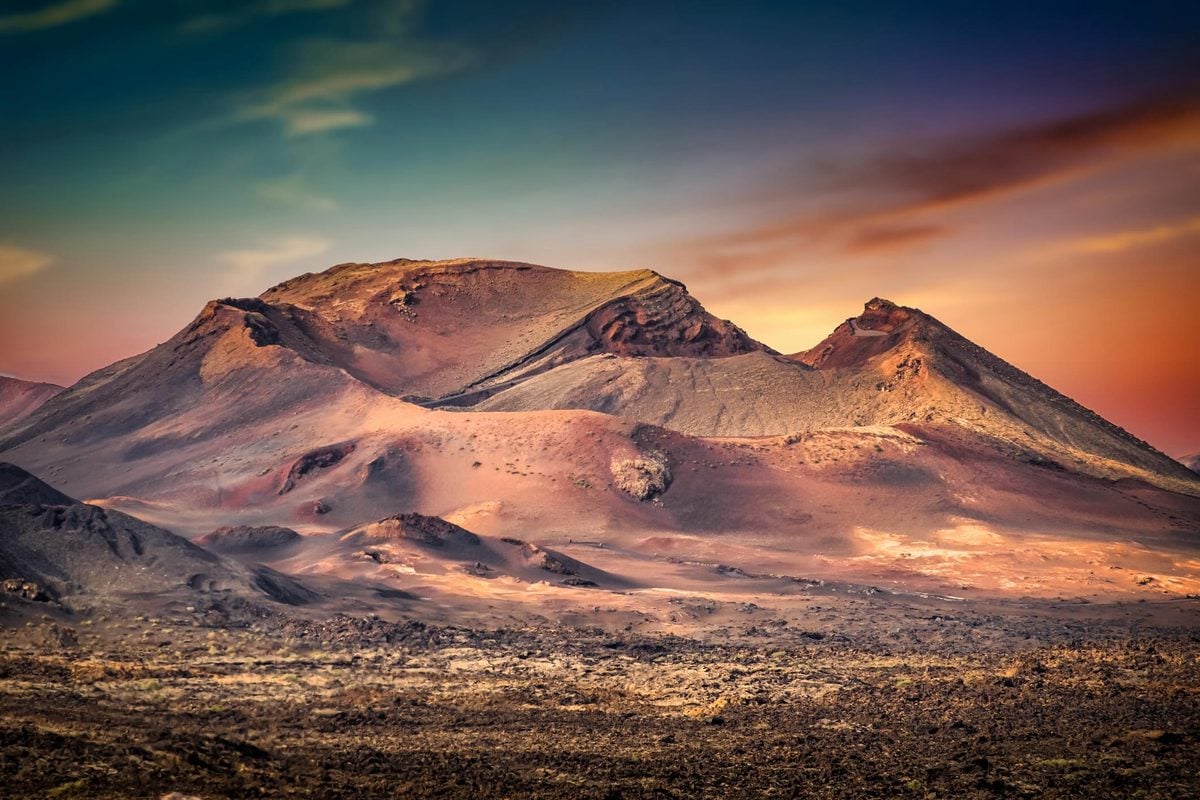
An international team of researchers has conducted the first detailed study of minerals and microorganisms in lava tubes on Lanzarote, revealing insights into Earth's ancient ecosystems and potential implications for finding life on Mars. The study, led by Professor Bogdan P. Onac, found that the volcanic rock in these tubes preserves biosignatures, suggesting microbial activity. This research highlights the potential of lava tubes as refuges for microbial life, which could guide future Mars missions in identifying biosignatures.

"Scientists Discover Potential Astronaut Shelter in Moon Cave"
space-exploration1 year ago

"Scientists Discover Potential Astronaut Shelter in Moon Cave"

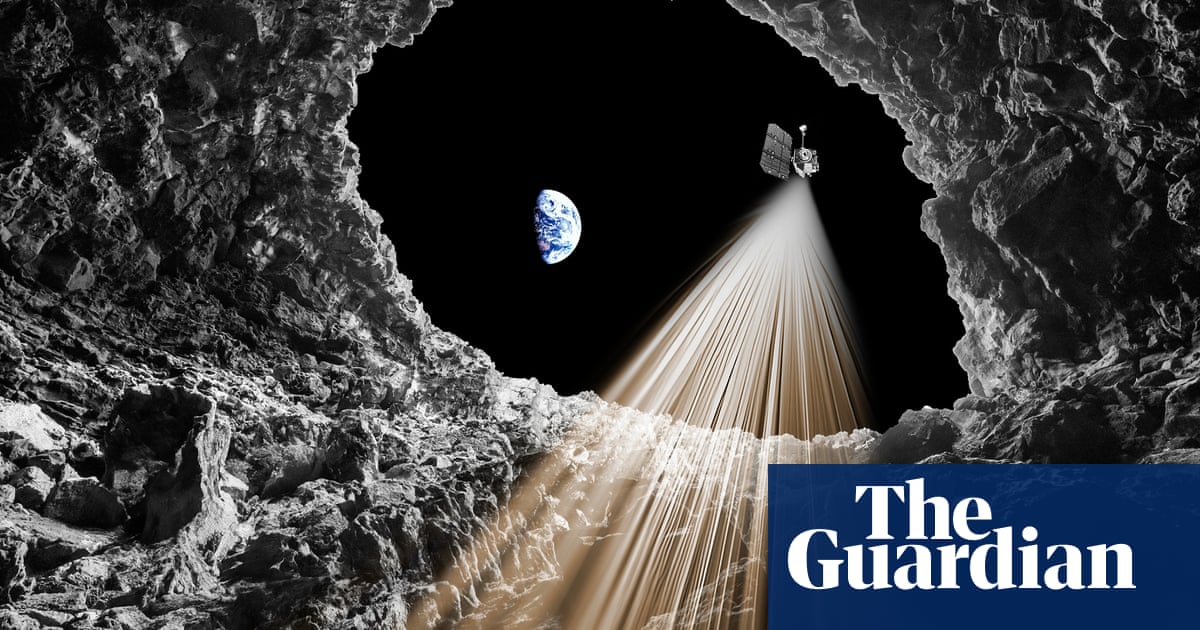
Italian researchers have discovered a large underground cave on the moon, potentially suitable for human habitation, and suspect there could be hundreds more. These caves, formed from collapsed lava tubes, could offer protection from extreme temperatures and radiation, making them ideal for future lunar bases. The discovery, supported by radar images from NASA's Lunar Reconnaissance Orbiter, suggests that these caves could also harbor water, crucial for sustaining long-term human presence on the moon and future missions to Mars.

"Moon Cave Discovered as Potential Shelter for Future Explorers"
science1 year ago

"Moon Cave Discovered as Potential Shelter for Future Explorers"

Scientists have confirmed the existence of a sizable cave on the moon, near the Apollo 11 landing site, which could potentially shelter future astronauts. The cave, located at the Sea of Tranquility, was identified using radar data from NASA’s Lunar Reconnaissance Orbiter. Researchers believe there could be hundreds of such pits and lava tubes on the moon, offering natural protection from cosmic rays, solar radiation, and micrometeorite strikes, and aiding in the understanding of lunar evolution.

NASA Discovers Moon Cave Ideal for Future Human Base
space-exploration1 year ago

NASA Discovers Moon Cave Ideal for Future Human Base

An international research team, led by the University of Trento, has discovered an empty lava tube on the Moon using reanalyzed data from NASA's Lunar Reconnaissance Orbiter. This finding, published in Nature Astronomy, provides the first direct evidence of lunar caves, which could serve as potential habitats for future lunar missions, offering protection from extreme temperatures, radiation, and meteorite impacts.

NASA Discovers Moon Caves Ideal for Future Explorer Bases
space-exploration1 year ago

NASA Discovers Moon Caves Ideal for Future Explorer Bases

Researchers have discovered a substantial underground cave on the moon, accessible from the Mare Tranquillitatis pit, which could serve as an ideal location for a future lunar base. The cave, likely an empty lava tube, offers natural protection against the harsh lunar environment and could be crucial for long-term lunar missions. The discovery, revealed through NASA's lunar reconnaissance orbiter data, highlights the potential of such caves for human habitats, providing stable temperatures and shielding from cosmic rays and micrometeorites.