
NASA tests near-supersonic rotors for future Mars aircraft
TL;DR
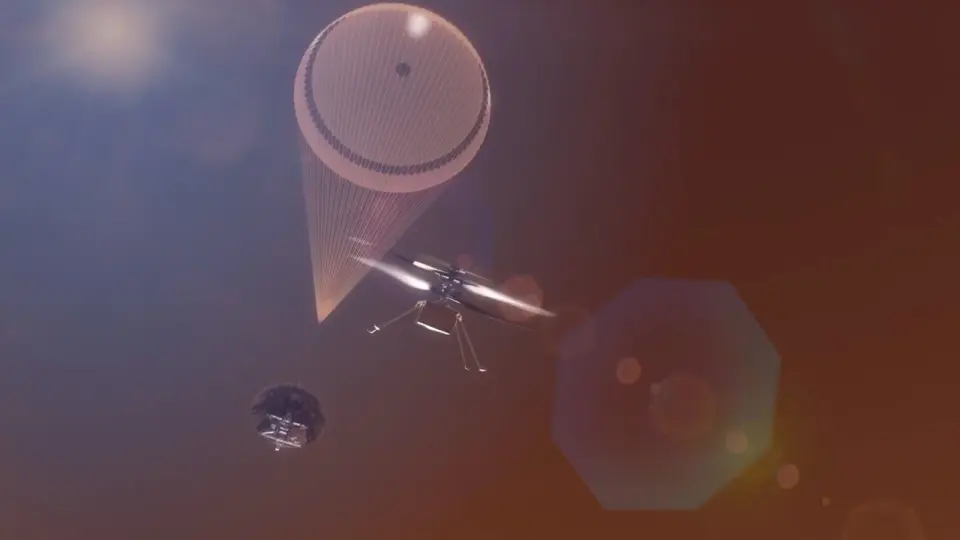
NASA’s Jet Propulsion Laboratory ran 137 tests in a space-simulation chamber that replaces air with a low-density CO2 mix to mimic Mars’ thin atmosphere, spinning new Mars helicopter rotors fast enough for their tips to reach Mach 1.08. The tests evaluated a three-bladed rotor and a longer two-bladed variant for the SkyFall concept, with results showing potential lift increases of about 30%—a boost for carrying heavier science payloads and larger batteries on future Mars aircraft. The work builds on NASA’s Ingenuity success, moving toward a next generation of helicopters designed for more ambitious exploration in the Red Planet’s challenging conditions.
- Watch NASA's new Mars helicopter rotor break the speed of sound (video) Space
- NASA pushes next-gen Mars helicopter rotors through the sound barrier New Atlas
- Next-Gen Helicopter Blades Tested at Supersonic Speeds Ahead of 2028 Mission to Mars autoevolution
- NASA’s Mars helicopter blades broke the sound barrier without disintegrating, and JPL may have unlocked the next leap in alien flight OkDiario
- NASA engineers create supersonic rotor on Mars: carbon fiber blades reach Mach 1.08 at JPL CPG Click Petróleo e Gás
Want the full story? Read the original reporting
Read on Space