Tag

Ingenuity

All articles tagged with #ingenuity

Caped Mars drones: NASA's SkyFall to peer beneath the planet's surface
space18 days ago

Caped Mars drones: NASA's SkyFall to peer beneath the planet's surface

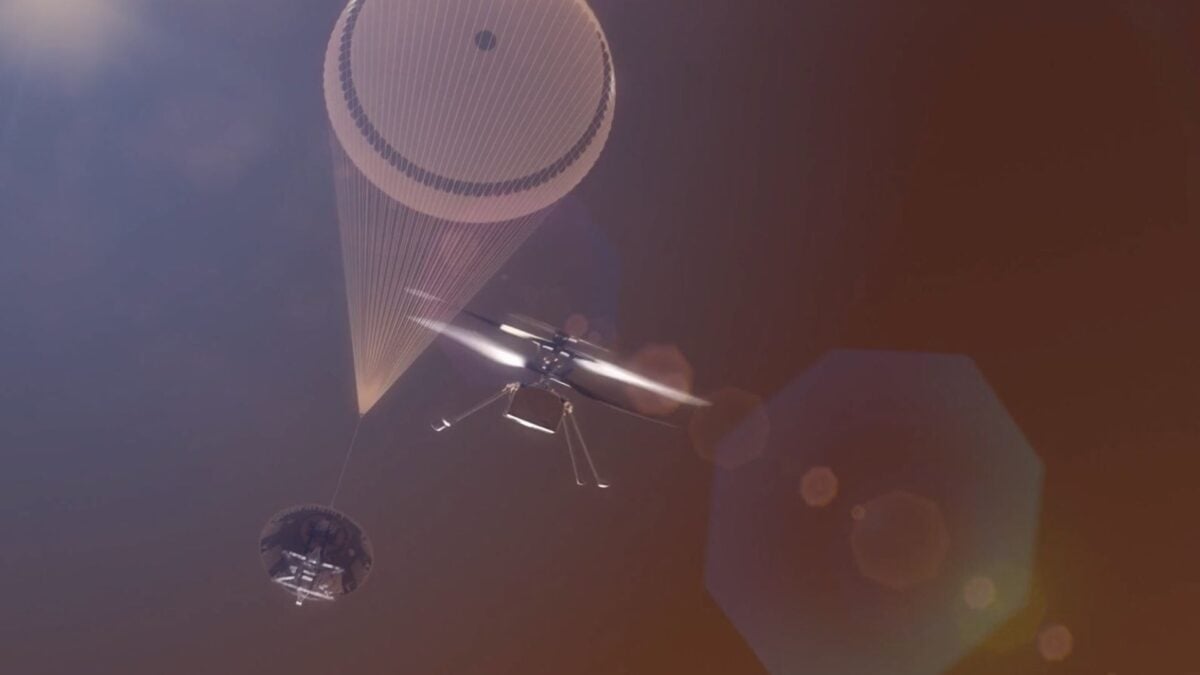
NASA’s SkyFall mission will send three tiny Mars rotorcraft in 2028 to test a lightweight, flexible radar antenna that looks like a cape. The capes bend during landing and unfold for subsurface scans up to about 5 meters deep, enabling high‑resolution radar images to locate shallow ice—crucial for water, oxygen, and fuel for future missions. Each antenna weighs about 5 ounces, and extensive testing simulates tens of landings to ensure durability. SkyFall builds on Ingenuity’s legacy and is planned to launch aboard the nuclear‑powered Space Reactor-1 Freedom interplanetary spacecraft.
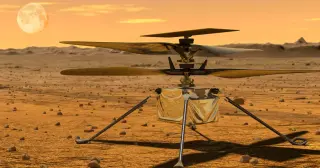
Ingenuity: Mars' Tiny Helicopter That Outlived Its 30‑Day Plan
science22 days ago

Ingenuity: Mars' Tiny Helicopter That Outlived Its 30‑Day Plan

NASA's Ingenuity began as a 30-sols tech demo on Mars but far exceeded expectations, completing 72 flights, traveling over 17 km, and supporting Perseverance for 1,004 sols—until a damaged rotor blade grounded it in January 2024, with NASA announcing the mission's end on Jan 25, 2024. The mission's remarkable success reshaped future planetary exploration and inspired rotorcraft concepts for the Moon, Mars, and Titan.

Ingenuity's Afterlife: Mars' Tiny Helicopter Becomes a Quiet Weather Recorder
space26 days ago

Ingenuity's Afterlife: Mars' Tiny Helicopter Becomes a Quiet Weather Recorder

NASA's Ingenuity, built to complete five flights over 30 Martian days, ended up flying 72 times across nearly three years before a hard landing shattered its rotor blades. Now grounded, it continues to wake each Martian day, inspect itself, photograph the surface, and log temperatures as a weather-like memory bank, with no live link to Earth and data stored for future retrieval.

Ingenuity’s 72 Martian Flights Redefine NASA’s Mars Aircraft Roadmap
space3 months ago

Ingenuity’s 72 Martian Flights Redefine NASA’s Mars Aircraft Roadmap

Ingenuity flew 72 times over nearly three years in Mars’ ultra-thin atmosphere, far surpassing its five-flight design goal before a January 2024 rotor-blade failure grounded it; NASA is using the experience to shape next-generation Mars aircraft, including the six-rotor Mars Chopper, and to explore lighter, commercially available hardware rather than heavy, radiation-hardened systems.

NASA tests near-supersonic rotors for future Mars aircraft
space3 months ago

NASA tests near-supersonic rotors for future Mars aircraft

NASA’s Jet Propulsion Laboratory ran 137 tests in a space-simulation chamber that replaces air with a low-density CO2 mix to mimic Mars’ thin atmosphere, spinning new Mars helicopter rotors fast enough for their tips to reach Mach 1.08. The tests evaluated a three-bladed rotor and a longer two-bladed variant for the SkyFall concept, with results showing potential lift increases of about 30%—a boost for carrying heavier science payloads and larger batteries on future Mars aircraft. The work builds on NASA’s Ingenuity success, moving toward a next generation of helicopters designed for more ambitious exploration in the Red Planet’s challenging conditions.

SkyFall Rotors Hit Mach 1.08 in Mars-Atmosphere Tests
science3 months ago

SkyFall Rotors Hit Mach 1.08 in Mars-Atmosphere Tests

NASA’s SkyFall project tested next‑gen Mars rotor designs in a Mars‑simulated chamber, pushing rotor-tip speeds to Mach 1.08 and showing a ~30% lift boost over Ingenuity, enabling heavier payloads. Ingenuity flew subsonically on Mars to gather data; Mars’ thin atmosphere lowers the effective Mach barrier. The 2028 SkyFall mission plans three helicopters to scout landing sites and map subsurface water ice.

NASA tests Mars rotors at Mach 1.08 to power next-gen SkyFall helicopters
space-and-astronomy3 months ago

NASA tests Mars rotors at Mach 1.08 to power next-gen SkyFall helicopters

NASA and AeroVironment tested two Mars-bound rotor systems in JPL’s Mars simulator, reaching rotor tip speeds up to Mach 1.08 (about 3,750 rpm) under simulated Martian conditions—surpassing Mars’ speed of sound and signaling feasibility for larger SkyFall rotorcraft that could carry bigger instruments and longer missions, building on Ingenuity’s historic Mars flights.

Perseverance Gains GPS-like Self-Localization on Mars
space6 months ago

Perseverance Gains GPS-like Self-Localization on Mars

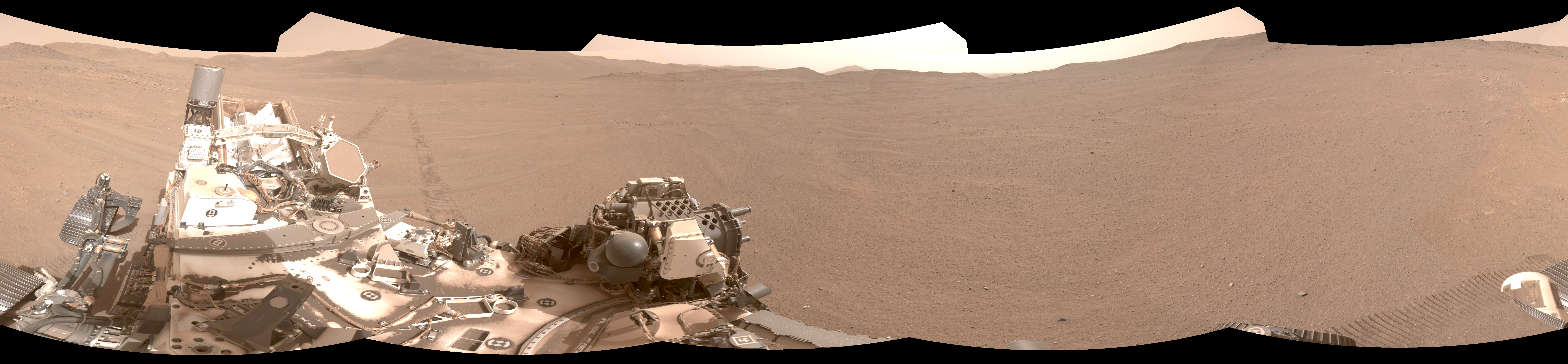
NASA's Perseverance rover can now determine its precise location on Mars autonomously using Mars Global Localization, matching navigation camera panoramas to orbital imagery in about two minutes to pinpoint its position within roughly 25 centimeters. This enables longer, safer drives without Earth-based input, complements existing auto-navigation, and signals broader use of onboard AI for future missions including lunar exploration.

Ingenuity's Crash on Mars: A New Role as a Long-Term Weather Station
science-and-technology1 year ago

Ingenuity's Crash on Mars: A New Role as a Long-Term Weather Station

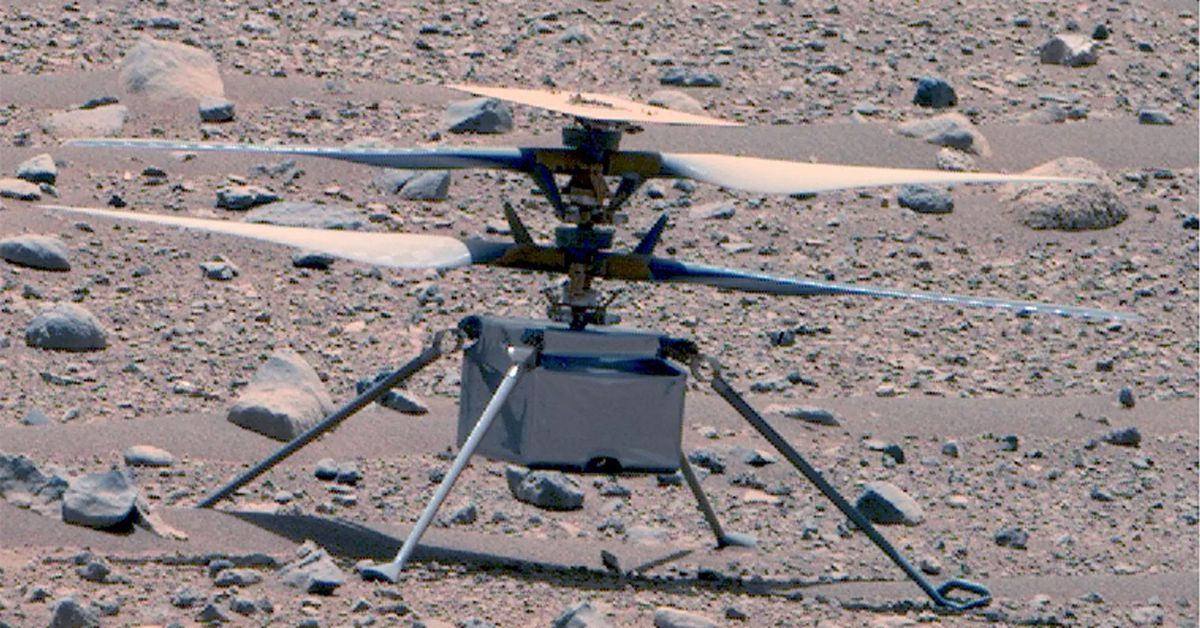
NASA's Ingenuity helicopter has been permanently grounded on Mars after its 72nd flight ended abruptly due to navigation errors caused by the featureless Martian terrain. The helicopter's rotor blades were damaged, with one completely detached, following a hard landing on a sand ripple. Despite being designed for only five flights, Ingenuity completed 72, showcasing the potential of using commercial off-the-shelf components in space missions. While it will no longer fly, Ingenuity continues to transmit data to the Perseverance rover, and its success has inspired future Mars rotorcraft projects.

NASA's Ingenuity Crash Yields Insights for Future Mars Missions
science-and-technology1 year ago

NASA's Ingenuity Crash Yields Insights for Future Mars Missions

NASA engineers have identified the cause of the Ingenuity Mars Helicopter's crash on January 18, 2024, as a navigation error due to featureless terrain, leading to incorrect velocity estimates and a hard landing. The crash resulted in damage to the rotor blades, which snapped due to excessive loads. Despite the crash, Ingenuity continues to transmit useful data to the Perseverance rover, aiding future Mars aircraft designs. Originally intended for five flights, Ingenuity completed 72 flights over nearly three years.

NASA Uncovers Cause of Ingenuity's Mars Crash
science1 year ago

NASA Uncovers Cause of Ingenuity's Mars Crash

NASA's Ingenuity Mars helicopter, which exceeded its initial mission expectations by completing 72 flights, has crashed on its final mission due to a lack of surface texture for its navigation system to track. This incident marks the first aircraft accident investigation on another planet. Despite the crash, Ingenuity continues to provide valuable data for future Mars exploration, demonstrating the effectiveness of using commercial off-the-shelf technology in space missions.

Mars Litter: Ingenuity Spots Space Debris on Red Planet
space-exploration1 year ago

Mars Litter: Ingenuity Spots Space Debris on Red Planet

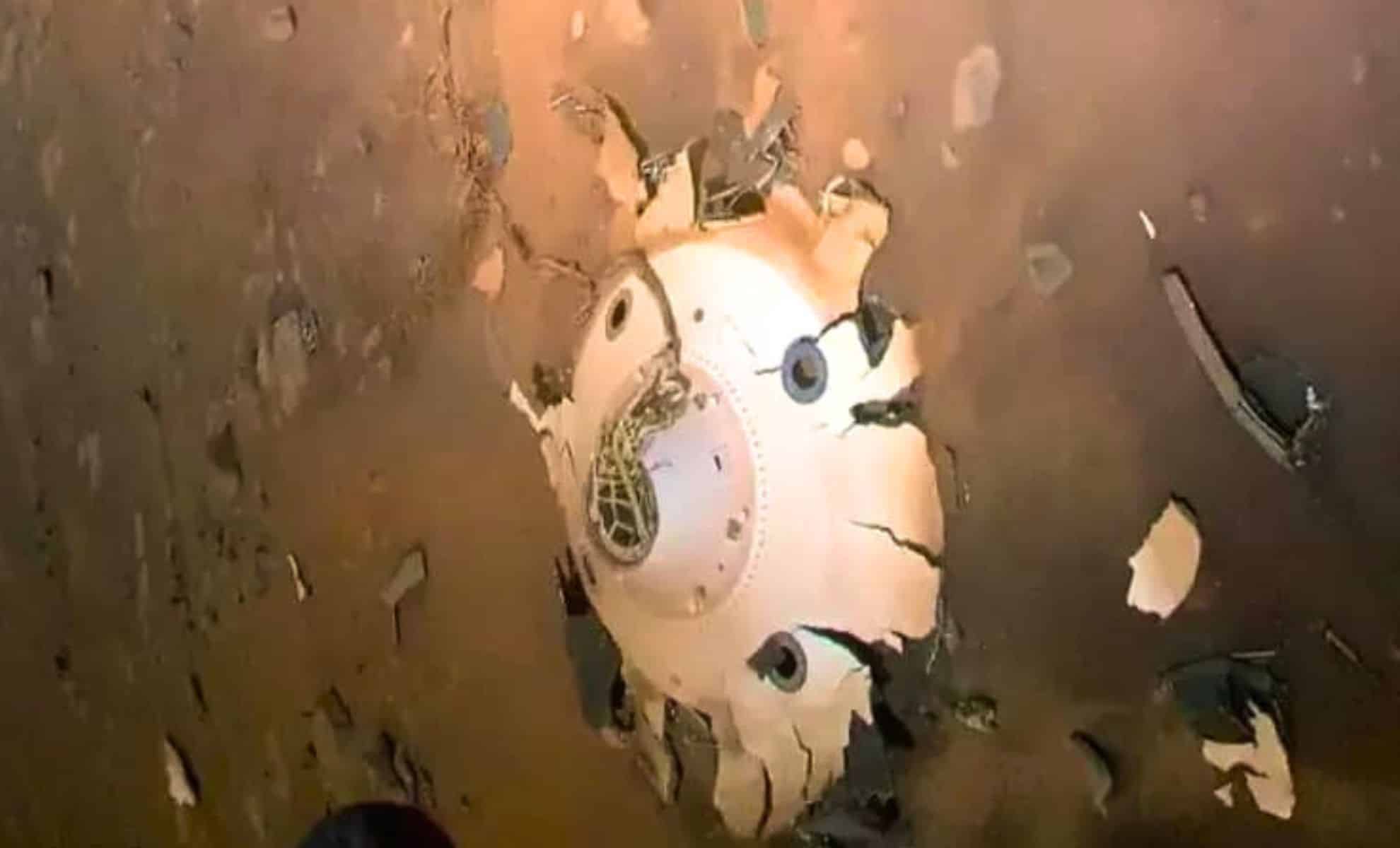
NASA's Ingenuity helicopter has discovered debris on Mars, remnants of the landing system used for the Perseverance Rover, highlighting the issue of space junk on other planets. This discovery raises ethical questions about the environmental impact of space exploration and the need for sustainable practices to prevent Mars from becoming littered with human-made debris. As space missions increase, the challenge is to balance technological advancement with the preservation of extraterrestrial environments.

NASA's Ingenuity: From Mars Crash to Potential Weather Station
space1 year ago

NASA's Ingenuity: From Mars Crash to Potential Weather Station

NASA's Ingenuity Mars Helicopter, which crashed during its 72nd flight, may continue to serve as a weather station on Mars for up to 20 years, despite being unable to fly again. The helicopter's avionics and sensors remain functional, allowing it to record telemetry and images. However, communication with Earth may soon be lost as the Perseverance rover, which relays data, moves further away. Ingenuity's mission was a success, having far exceeded its initial flight goals, and NASA is already conceptualizing a new, larger Mars helicopter for future missions.

NASA's Mars Helicopter Ingenuity Achieves New Milestones in Red Planet Exploration
science-and-technology1 year ago

NASA's Mars Helicopter Ingenuity Achieves New Milestones in Red Planet Exploration

NASA's Jet Propulsion Laboratory is investigating the final flight of the Ingenuity Mars Helicopter, which ended due to navigation system errors caused by featureless terrain. Ingenuity, initially a technology demonstration, exceeded expectations with 72 flights over nearly three years. The investigation aims to improve future Mars helicopters and other extraterrestrial aircraft. Ingenuity's success has inspired new designs, like the Mars Chopper, which could carry scientific equipment and explore remote Martian areas autonomously.