Tag

Skyfall

All articles tagged with #skyfall

Mars in the Air: NASA bets on helicopters as the new surface explorers
space1 month ago

Mars in the Air: NASA bets on helicopters as the new surface explorers

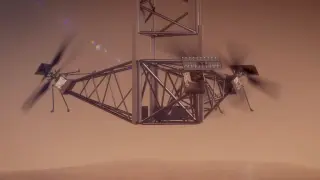
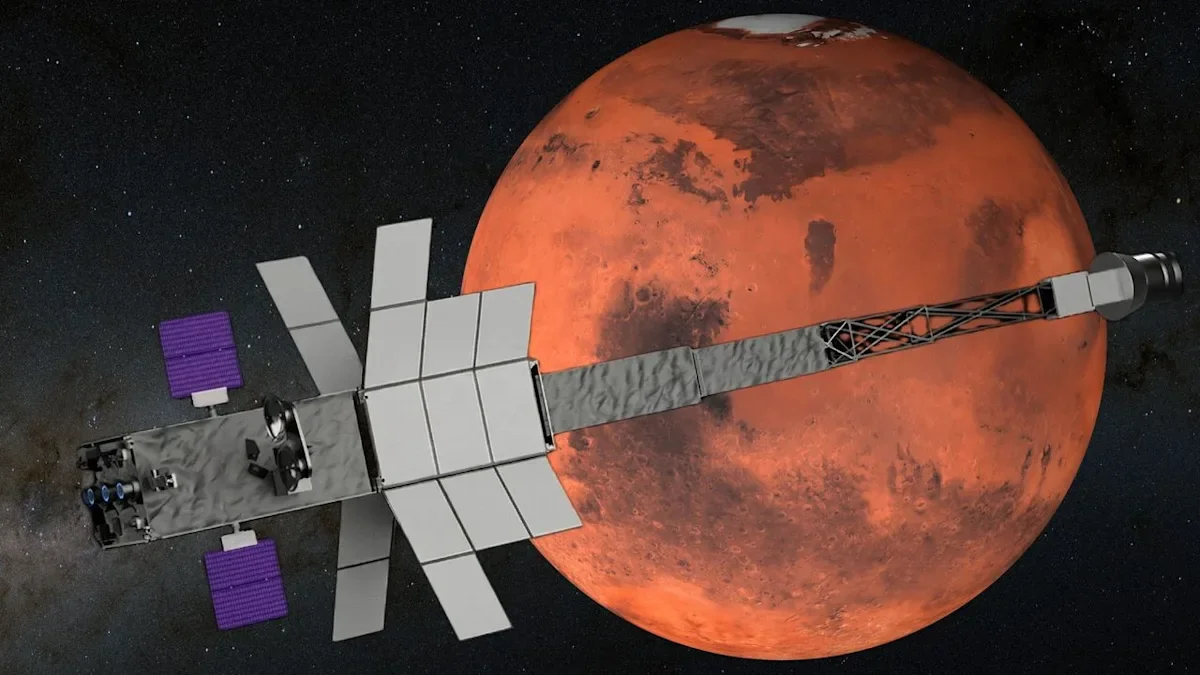
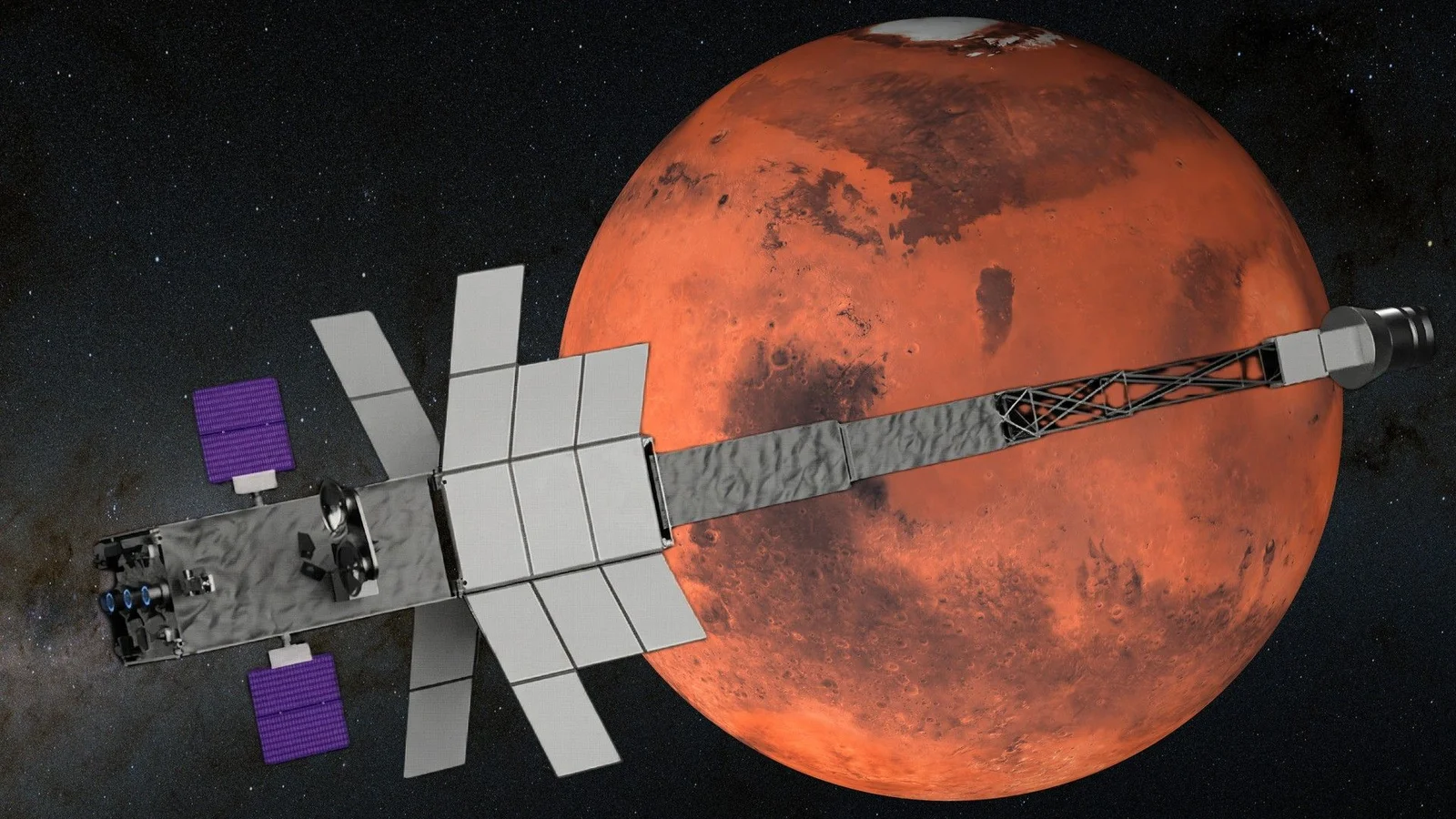
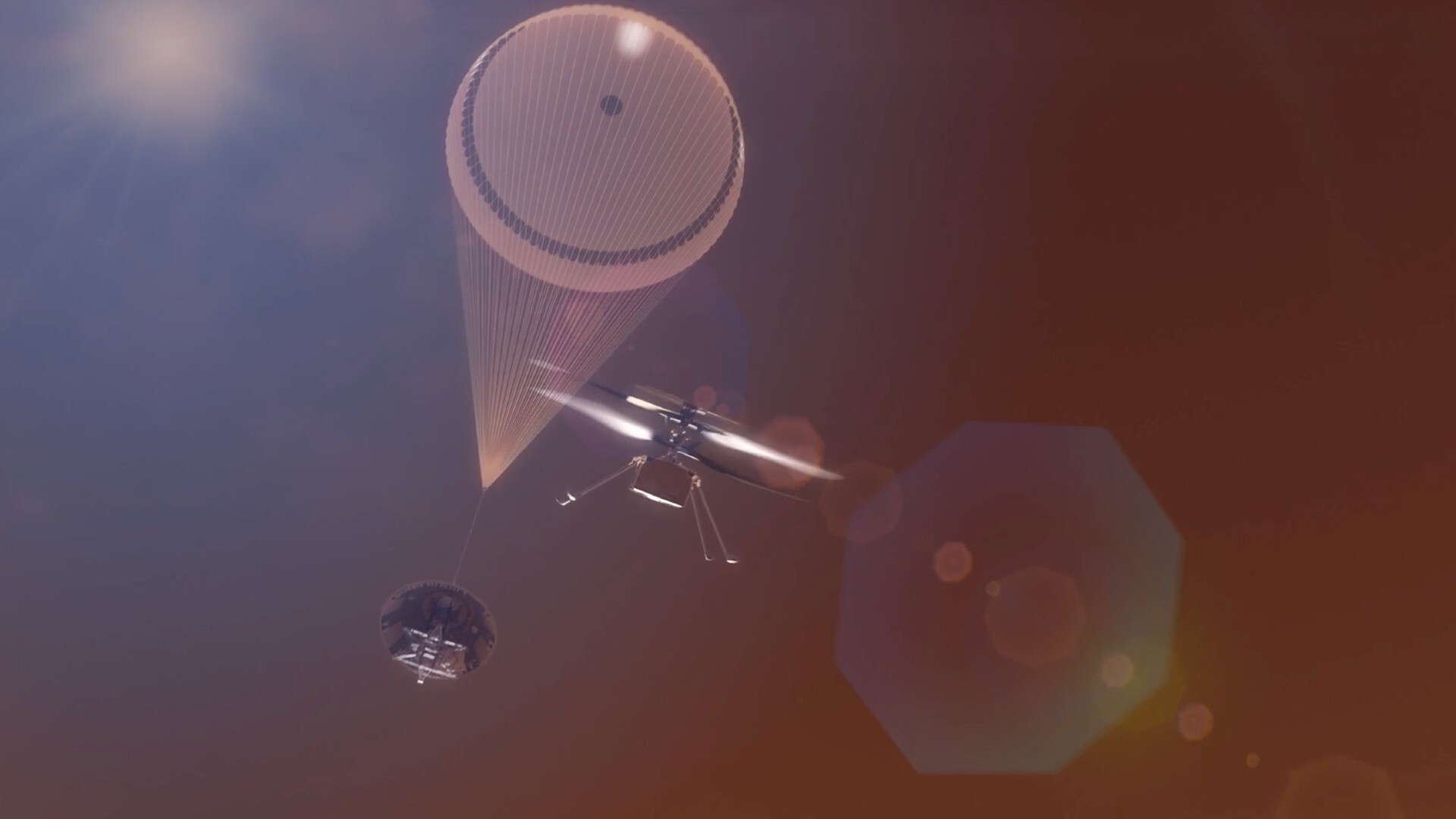
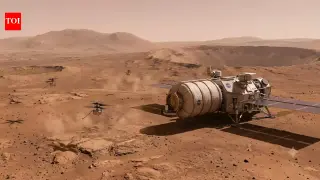
NASA is shifting away from new Mars landers or rovers in the near term and betting on aerial drones, led by the SkyFall helicopters that will ride to Mars with the SR-1 Freedom nuclear‑electric propulsion testbed. SkyFall, a three‑helicopter demonstrator (plus a spare) planned for launch as early as late 2028, will separate from SR‑1 and autonomously land, carrying science payloads like a ground‑penetrating radar and transmitting data via orbiters. The mission foregoes a full rover payload, highlighting a push for a repeatable helicopter platform amid budget constraints and a broader move toward commercial partnerships for Mars exploration.
NASA to test nuclear-powered interplanetary propulsion with Mars flyby and three helicopter scouts
space1 month ago

NASA to test nuclear-powered interplanetary propulsion with Mars flyby and three helicopter scouts

NASA plans the late-2028 SR-1 Freedom mission, a nuclear-electric propulsion test that will fly to Mars in 2029 without landing, then release SkyFall—three Ingenuity-style helicopters designed to survey the Martian environment, measure weather, and use ground-penetrating radar to search for subsurface ice. The mission aims to validate nuclear-powered propulsion for deep-space travel, build flight heritage for future Moon and Mars missions, and inform later power systems like Lunar Reactor-1.

Caped Mars drones: NASA's SkyFall to peer beneath the planet's surface
space2 months ago

Caped Mars drones: NASA's SkyFall to peer beneath the planet's surface

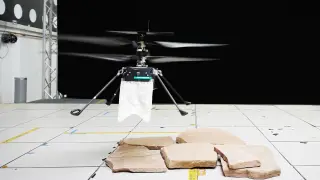
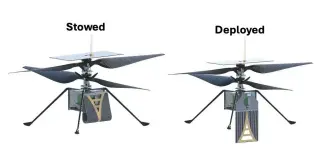
NASA’s SkyFall mission will send three tiny Mars rotorcraft in 2028 to test a lightweight, flexible radar antenna that looks like a cape. The capes bend during landing and unfold for subsurface scans up to about 5 meters deep, enabling high‑resolution radar images to locate shallow ice—crucial for water, oxygen, and fuel for future missions. Each antenna weighs about 5 ounces, and extensive testing simulates tens of landings to ensure durability. SkyFall builds on Ingenuity’s legacy and is planned to launch aboard the nuclear‑powered Space Reactor-1 Freedom interplanetary spacecraft.

space2 months ago

NASA's Nuclear Mars Mission Eyes a $2.1B Price Tag and Near-Term Funding

NASA estimates its Space Reactor-1 Freedom nuclear-powered Mars mission would cost about $2.1 billion, with funding planned for fiscal years 2026–2029 and not including the SkyFall science payload; the plan reuses the Gateway’s Power and Propulsion Element, involves the DOE, and targets a late-2028 launch with three helicopters to study Mars.

NASA funds Firefly aeroshell for SkyFall Mars helicopter mission
space3 months ago

NASA funds Firefly aeroshell for SkyFall Mars helicopter mission

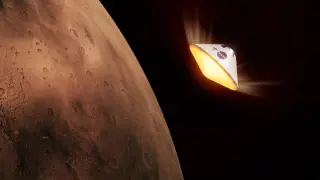
NASA awarded Firefly Aerospace a $13 million subcontract to design and manufacture the aeroshell that will shield the SkyFall spacecraft’s descent during its Mars entry and exit, part of NASA’s plan to launch SkyFall in 2028 with three Ingenuity-like helicopters that will be released mid-descent to scout for water ice and potential crewed-landing sites, leveraging Firefly’s Gloworks facility and Blue Ghost heritage while NASA’s Jet Propulsion Laboratory oversees the mission.

NASA tests near-supersonic rotors for future Mars aircraft
space4 months ago

NASA tests near-supersonic rotors for future Mars aircraft

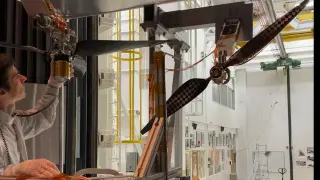
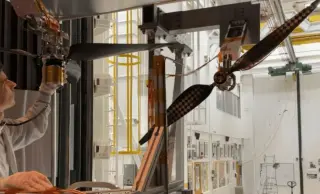
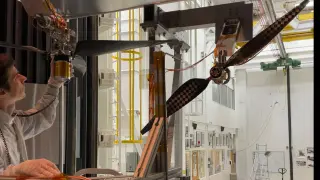
NASA’s Jet Propulsion Laboratory ran 137 tests in a space-simulation chamber that replaces air with a low-density CO2 mix to mimic Mars’ thin atmosphere, spinning new Mars helicopter rotors fast enough for their tips to reach Mach 1.08. The tests evaluated a three-bladed rotor and a longer two-bladed variant for the SkyFall concept, with results showing potential lift increases of about 30%—a boost for carrying heavier science payloads and larger batteries on future Mars aircraft. The work builds on NASA’s Ingenuity success, moving toward a next generation of helicopters designed for more ambitious exploration in the Red Planet’s challenging conditions.

SkyFall Rotors Hit Mach 1.08 in Mars-Atmosphere Tests
science4 months ago

SkyFall Rotors Hit Mach 1.08 in Mars-Atmosphere Tests

NASA’s SkyFall project tested next‑gen Mars rotor designs in a Mars‑simulated chamber, pushing rotor-tip speeds to Mach 1.08 and showing a ~30% lift boost over Ingenuity, enabling heavier payloads. Ingenuity flew subsonically on Mars to gather data; Mars’ thin atmosphere lowers the effective Mach barrier. The 2028 SkyFall mission plans three helicopters to scout landing sites and map subsurface water ice.

NASA tests Mars rotors at Mach 1.08 to power next-gen SkyFall helicopters
space-and-astronomy5 months ago

NASA tests Mars rotors at Mach 1.08 to power next-gen SkyFall helicopters

NASA and AeroVironment tested two Mars-bound rotor systems in JPL’s Mars simulator, reaching rotor tip speeds up to Mach 1.08 (about 3,750 rpm) under simulated Martian conditions—surpassing Mars’ speed of sound and signaling feasibility for larger SkyFall rotorcraft that could carry bigger instruments and longer missions, building on Ingenuity’s historic Mars flights.

NASA gears up for 2028 Mars mission with nuclear-powered Skyfall helicopters
science6 months ago

NASA gears up for 2028 Mars mission with nuclear-powered Skyfall helicopters

NASA announced the Skyfall mission to Mars for a December 2028 launch aboard Space Reactor-1 Freedom, a nuclear-powered interplanetary spacecraft. The plan calls for three small helicopters to scout landing sites and map subsurface ice using cameras and ground-penetrating radar, helping pave the way for future human exploration while establishing flight heritage for nuclear propulsion and laying groundwork for regulatory and launch precedents.

NASA Bets on Nuclear-Powered Skyfall Helicopters for Mars by 2028
science6 months ago

NASA Bets on Nuclear-Powered Skyfall Helicopters for Mars by 2028

NASA unveiled the Skyfall concept: six small helicopter scouts would ride to Mars on a nuclear-electric propulsion spacecraft called Space Reactor-1 (SR-1) Freedom, targeting a 2028 launch. The mission would demonstrate onboard fission power powering efficient electric thrusters, enabling surface reconnaissance and data collection to aid future crewed Mars missions and broader outer-planet exploration, while shaping a regulatory and industrial base for nuclear power in space.