
NASA's Webb Telescope Makes Groundbreaking Discoveries on Distant Exoplanets
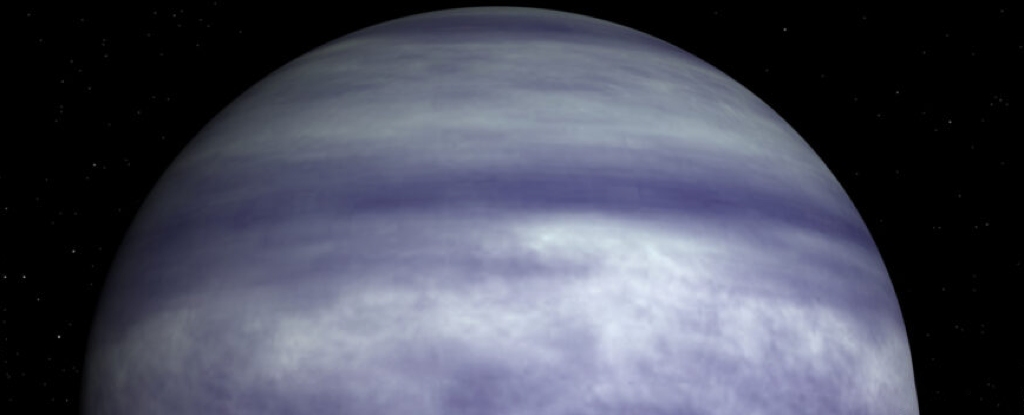
NASA's James Webb Space Telescope has detected methane in the atmosphere of the exoplanet WASP-80b, a gas giant about half the size of Jupiter. While the presence of methane rules out the possibility of life on the planet, it provides valuable insights into the atmospheric composition and helps scientists compare it to the methane-containing atmospheres of Uranus and Neptune in our own Solar System. The discovery raises questions about past non-detections of methane in exoplanet atmospheres and may require a reevaluation of methane as a potential biosignature. Further observations with the JWST will explore other carbon molecules and contribute to a better understanding of exoplanet atmospheres.
- NASA Just Announced The Discovery of Methane on a Distant Exoplanet ScienceAlert
- Webb's Cosmic Coup: Sniffing Out Methane on a Distant World SciTechDaily
- Webb detects methane and water vapour in exoplanet atmosphere Sky at Night Magazine
- JWST Discovers Mysterious 'Fluffy' Exoplanet Rains Sand ScienceAlert
- Methane throughout the atmosphere of the warm exoplanet WASP-80b Nature.com
Reading Insights
0
11
6 min
vs 7 min read
92%
1,314 → 106 words
Want the full story? Read the original article
Read on ScienceAlert