
Nearby Pristine Star Carries Clues to the Universe's First Stars
TL;DR
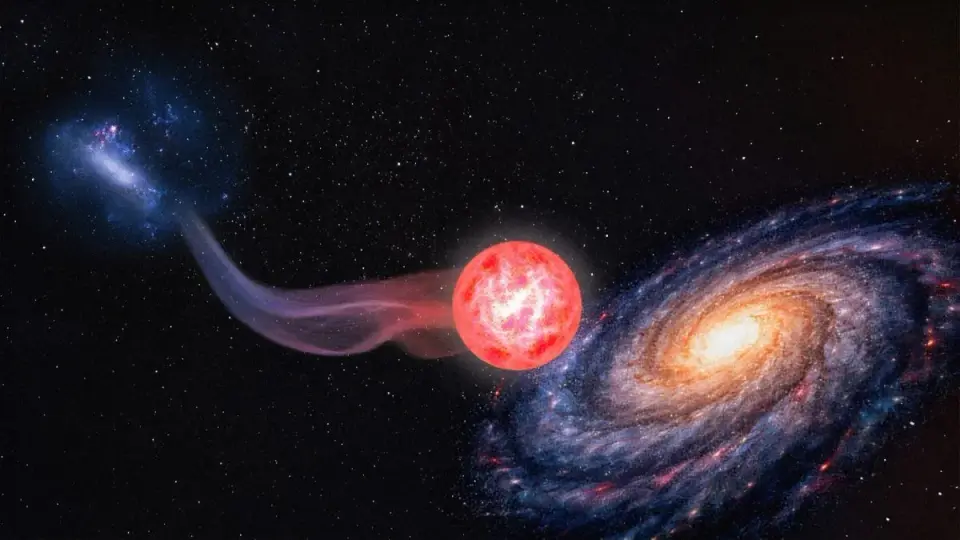
Astronomers identified SDSS J0715-7334, a Sun-like star now a red giant, as the most metal-poor star known (about 0.005% of the Sun) with an unusually low carbon content. Its chemistry implies it formed through a rare cooling pathway aided by tiny cosmic dust from Population III supernovae, possibly born in the Large Magellanic Cloud — a fossil of the early Universe that could guide the search for more ultra-metal-poor stars.
- The Universe's Most Pristine Ancient Star Is Surprisingly Close ScienceAlert
- A nearly pristine star from the Large Magellanic Cloud Nature
- Scientists discover ‘most chemically pristine’ star yet found in the universe University of Chicago News
- Astronomers just found the most pristine star of all time Big Think
- Student Team Finds One of the Oldest Stars in the Universe that Migrated to the Milky Way Universe Today
Want the full story? Read the original reporting
Read on ScienceAlert