
New Horizons Reveals Pluto’s Giant Hearts and Hidden Ocean Clues
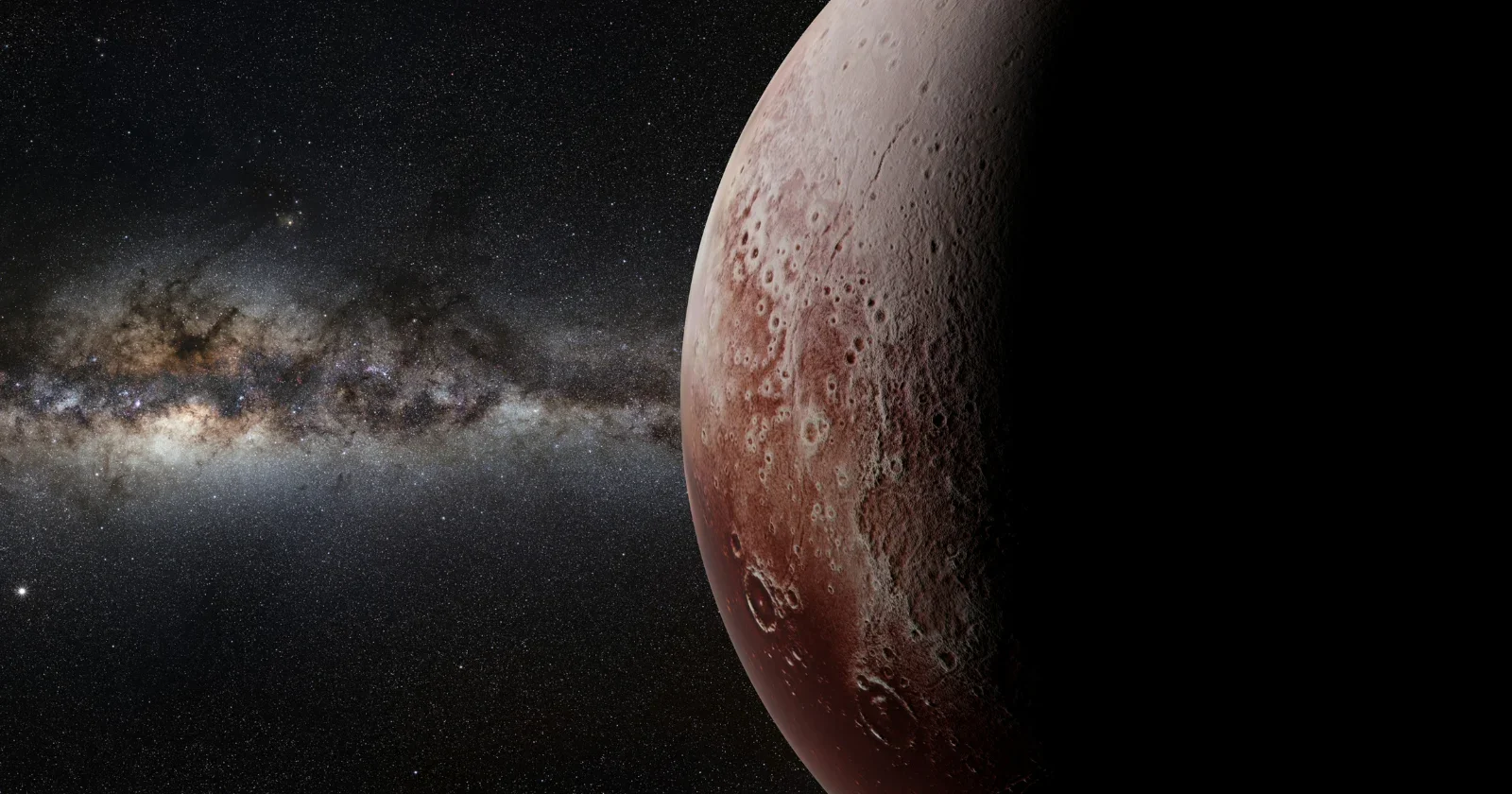
In July 2015, NASA’s New Horizons zipped past Pluto at about 32,000 mph, capturing most of its high‑resolution imagery in a ~30‑minute window and unveiling Tombaugh Regio—the heart-shaped region whose western lobe, Sputnik Planitia, is a vast nitrogen ice sheet roughly 1,200 by 2,000 km and about 4 km thick. The total data from the encounter amounted to about 6.25 GB, downlinked over about 15 months at 1–4 kb/s as the spacecraft continued outward. These findings — from the nitrogen ice plains to high‑albedo uplands, atmospheric haze, and clues to subsurface oceans — fundamentally reshaped planetary science and set the stage for decades of Pluto research as New Horizons travels beyond the Kuiper Belt.
- When the New Horizons spacecraft flew past Pluto in July of 2015 after a nine-and-a-half-year journey from Earth, it was traveling so fast — roughly 32,000 miles per hour — that it had less than 30 minutes to photograph the entire dwarf planet, and the images Space Daily
- Nasa Pluto Photos: Latest News, Trending Topics, Images, Pics India.Com
- Scientists expected Pluto to be a frozen, ancient world scarred by billions of years of impacts. But when New Horizons finally arrived in 2015, it found something stranger: smooth young plains with almost no craters, signs of flowing nitrogen ice, possible ice vol Space Daily
Reading Insights
0
34
13 min
vs 14 min read
96%
2,800 → 114 words
Want the full story? Read the original article
Read on Space Daily