
New Horizons wakes to chart the solar system's icy frontier
TL;DR Summary
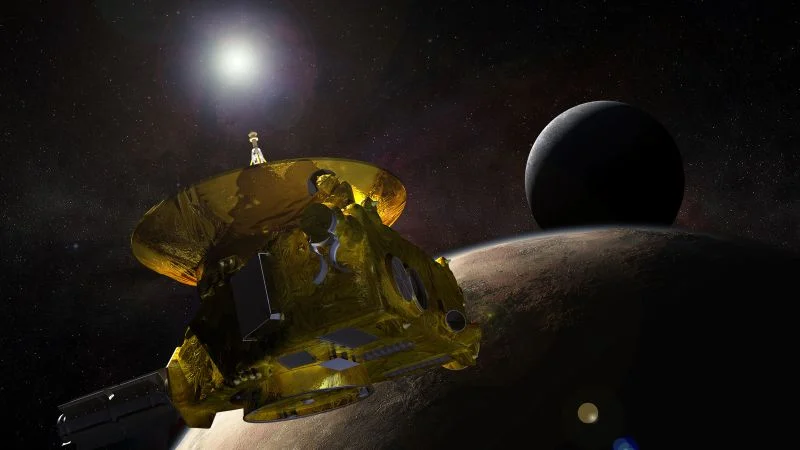
NASA’s New Horizons has awakened from its longest sleep, about 5.9 billion miles from Earth, to resume transmitting data from the Kuiper Belt and continue studying Pluto, Arrokoth, and distant icy bodies. Launched in 2006, the probe’s historic Pluto flyby in 2015 and subsequent Kuiper Belt observations are helping scientists understand how planets form. The spacecraft remains healthy and, if it stays that way, could extend its mission toward interstellar space beyond 2029 as it keeps gathering valuable outer-solar-system data.
- NASA spacecraft wakes up to continue groundbreaking mission beyond Pluto CNN
- NASA’s New Horizons Spacecraft Wakes from Hibernation in Good Health NASA Science (.gov)
- NASA's New Horizons probe just woke up from hibernation 6 billion miles away beyond Pluto. What's it doing out there? Space
- NASA's New Horizons spacecraft reaches 6 billion miles from Earth Mashable
- New Horizons wakes from hibernation and sends Kuiper Belt data Межа. Новини України.
Reading Insights
Total Reads
0
Unique Readers
32
Time Saved
195 min
vs 196 min read
Condensed
100%
39,141 → 80 words
Want the full story? Read the original article
Read on CNN