
Parker Solar Probe Surges Near the Sun Behind Ultra-Light Heat Shield
TL;DR
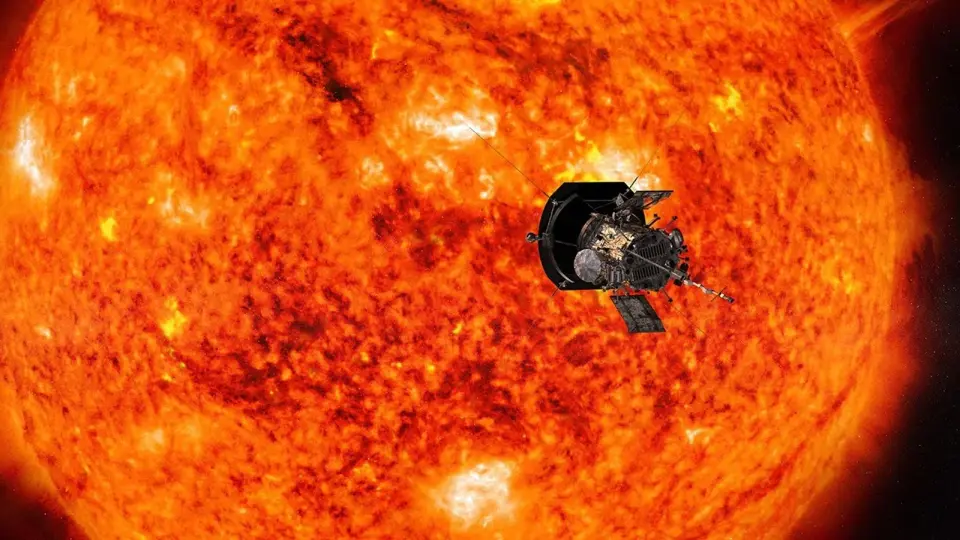
NASA’s Parker Solar Probe, launched in 2018, pushed closer to the Sun than any spacecraft by reaching about 3.8 million miles from the solar surface at ~430,000 mph during the December 2024 pass; its 4.5-inch-thick, 2.3-meter heat shield—a carbon-carbon sandwich with a carbon foam core weighing ~160 pounds and a white alumina coating—keeps the instruments at room temperature while the sun-facing side reaches up to 2,500°F, with actual temperatures staying well below worst-case estimates, providing thermal margin; the mission has transformed solar physics by directly measuring the corona and solar wind, and is planned to operate through 2026 as it conducts further perihelia.
- The Parker Solar Probe, launched by NASA in 2018, has flown closer to the Sun than any human-made object in history — traveling at more than 430,000 miles per hour with a heat shield that reaches 2,500 degrees Fahrenheit, while the instruments behind it Space Daily
- It's tempting to assume faster engines make faster spacecraft, but Parker Solar Probe's record 430,000 miles per hour came mostly from gravity: seven Venus flybys spent nearly seven years bending its orbit closer to the Sun, until the Sun's own pull accelerate Space Daily
Want the full story? Read the original reporting
Read on Space Daily