
Purdue researchers develop aerogel insulation from simulated moon dust and cardboard waste
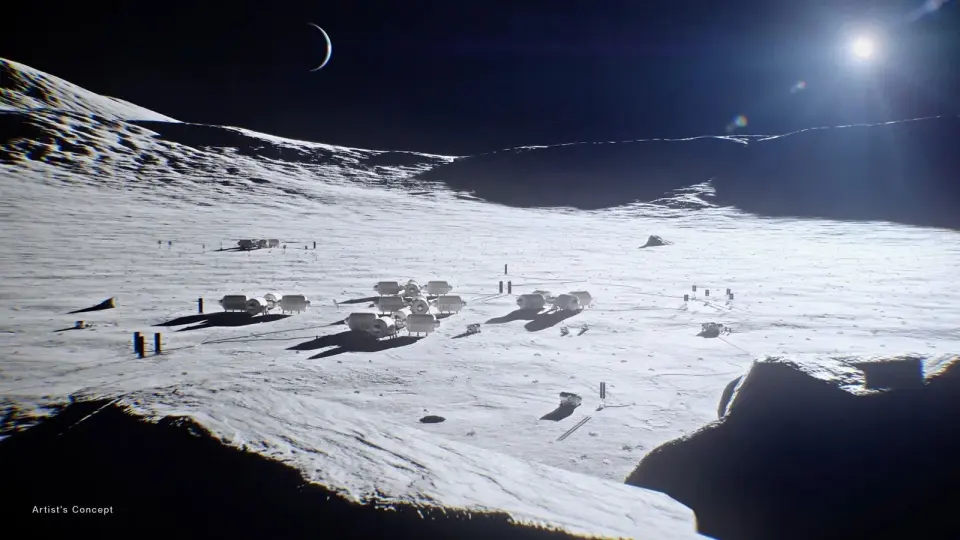
Purdue University researchers have created a new aerogel insulation material using simulated lunar regolith and cellulose from cardboard waste. The study, published in September, suggests this approach could help insulate future lunar habitats against extreme temperature swings without relying on supplies from Earth. The work supports NASA's goal of establishing a sustainable lunar base by 2032 through its Artemis program.
Key points
- Purdue University chemistry professor Alexander Wei and graduate researcher Jacob Staker developed an aerogel using a mix of cellulose (from cardboard waste) and a simulant of lunar regolith.
- The material is designed to insulate habitats against the Moon's drastic temperature swings, which range from 260°F during the day to -280°F at night.
- The research was published in the journal ACS Sustainable Chemistry & Engineering in September 2026.
- The team aims for 'in-situ resource utilization,' using materials already on the Moon or waste generated by inhabitants, rather than shipping everything from Earth.
- Lunar shipping costs are cited at approximately $544,000 per pound, making local material production economically significant.
- The study used simulated regolith, not actual lunar soil, and no timeline for testing the material on the Moon has been announced.
Background
This development is part of broader efforts to prepare for NASA's Artemis program, which aims to establish a long-term, sustainable lunar base by 2032. Recent archive coverage highlights other in-situ resource utilization efforts, such as Oregon State University's success in growing potatoes in simulated lunar soil with worm compost (November 2026) and NASA's $1.3 billion in launch contracts to build a lunar freight network (November 2026). The Artemis program, which includes crewed missions like Artemis II (launched April 2026) and planned landings in 2027 and 2028, relies on reducing dependency on Earth-supplied materials to make a permanent presence feasible.
How outlets are covering it
Space.com and Starlust.org emphasize the potential of the aerogel to solve the critical challenge of temperature protection for long-term lunar habitation, highlighting the economic benefit of avoiding high shipping costs. Around Prague provides a more cautious perspective, noting that the research is currently limited to laboratory simulations and that there is no indication NASA has adopted this specific material for its base plans. All sources agree on the core finding: that a mix of cellulose and regolith simulant can create an effective insulator, but they differ in their emphasis on the immediate applicability versus the long-term research nature of the work.
Why it matters
The high cost of shipping materials to the Moon makes in-situ resource utilization essential for the economic and logistical viability of a permanent lunar base. Developing insulation from local materials and waste could significantly reduce the mass and cost of future habitats, supporting NASA's 2032 goal and potentially influencing the design of commercial lunar infrastructure.
What to watch
The next steps for this research are not specified in the sources. The material has been tested in a laboratory setting using simulants. Future steps would likely involve further testing with actual lunar regolith and integration into habitat designs, but no specific timeline for lunar testing or adoption by NASA has been announced. The broader context involves the progression of the Artemis program, with Artemis III and IV scheduled for 2027 and 2028, respectively.
- How moon dust and recycled cardboard could help NASA build its lunar base Space
- Astronauts could turn everyday trash and moon dust into something surprisingly useful Earth.com
- Moon dust and paper waste could solve a major hurdle for NASA’s Moon base Starlust.org
- Moon Dust and Old Cardboard Could Insulate a Lunar Base, Study Finds Around Prague
Want the full story? Read the original reporting
Read on Space