Tag

Lunar Base

All articles tagged with #lunar base

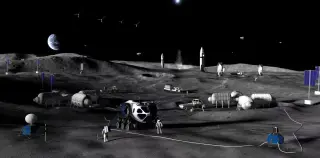
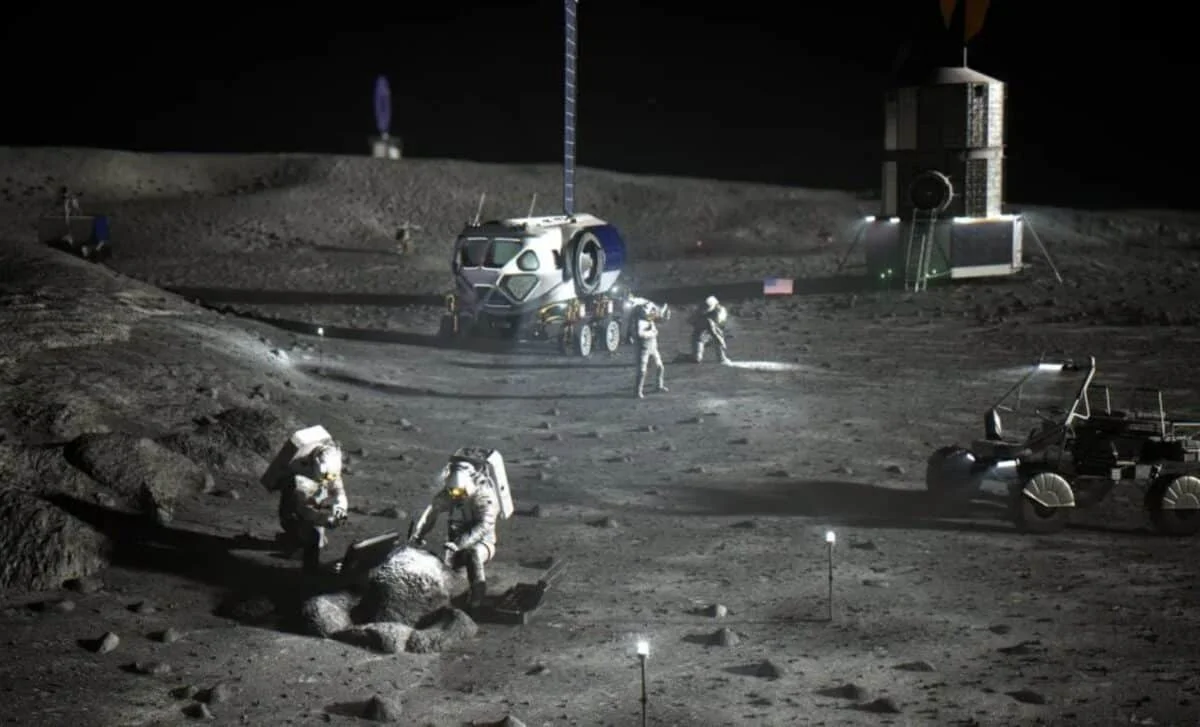
NASA aims for a sustained Moon base by the 2030s through a networked Artemis program
space11 days ago

NASA aims for a sustained Moon base by the 2030s through a networked Artemis program

NASA is shifting Artemis from a sprint to a system-based approach, prioritizing a long-term, repeatable human presence on the Moon with habitats, power systems, and surface infrastructure. The plan includes a 2027 in-orbit docking test with commercial lunar landers, a 2028 landing near the lunar south pole, pausing the lunar Gateway to focus on surface infrastructure, and expanding public-private partnerships to spread risk, lower costs, and develop technologies for Earth and Mars.

Moon base ambitions collide with radiation, dust and unknowns
space15 days ago

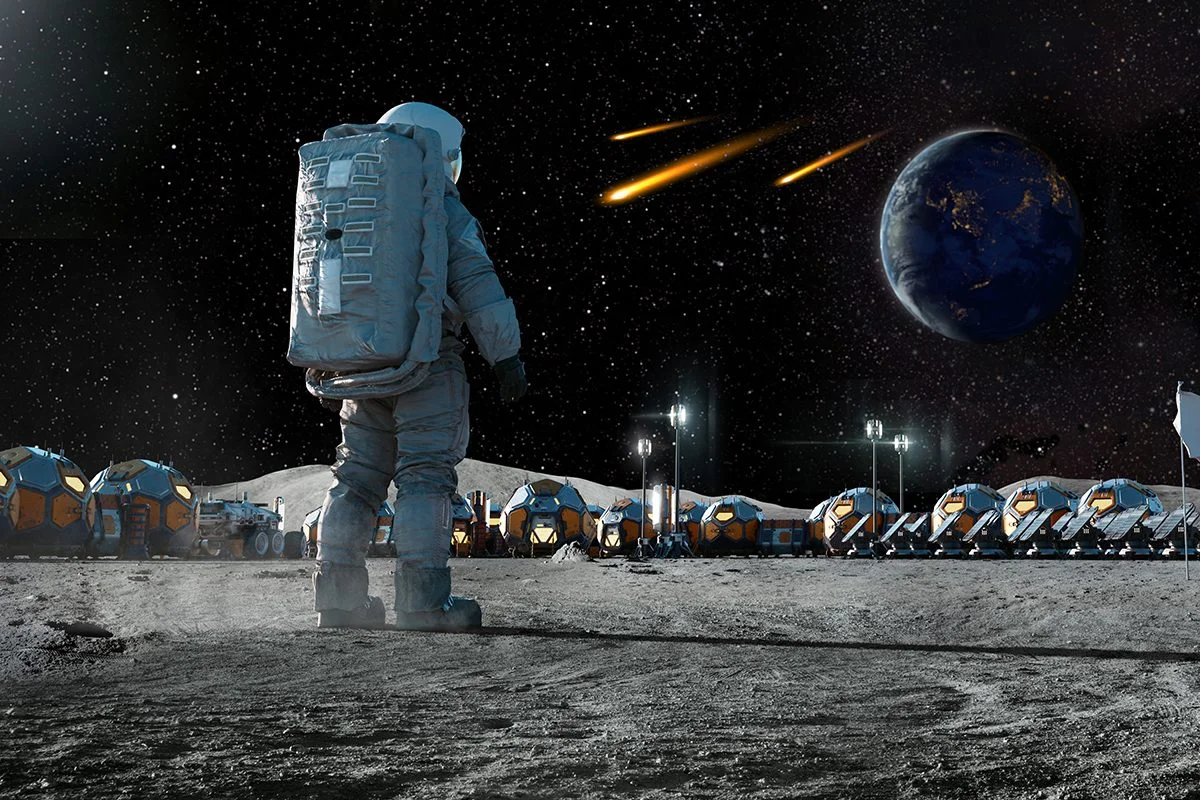
Moon base ambitions collide with radiation, dust and unknowns

NASA and its partners aim to establish a sustained human presence on the Moon within the next decade, including a permanent lunar base tied to the Artemis program and private-sector plans. But scientists warn the Moon’s harsh environment—razor-sharp dust, relentless cosmic radiation, and low gravity—presents significant health and engineering risks, with unresolved questions about habitat design, life support, water and ice resources, and construction methods. A data-driven, cautious approach is needed before rushing into a lunar colony, as much depends on learning more about the Moon itself.

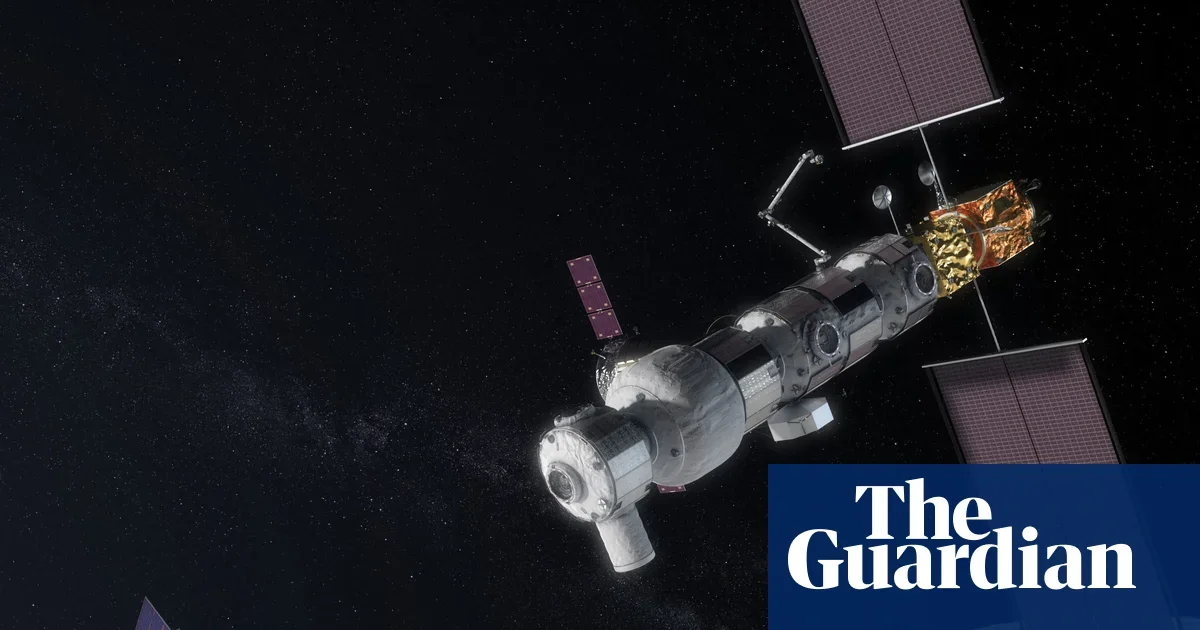
NASA pivots Artemis plan to build a lunar surface base, shelving the Gateway
space18 days ago

NASA pivots Artemis plan to build a lunar surface base, shelving the Gateway

NASA will pause the Lunar Gateway orbital station and repurpose its hardware to construct a $20 billion lunar surface base over seven years, a shift announced by new NASA administrator Jared Isaacman. The move prioritizes sustained surface operations on the Moon, with contracts and international partnerships redirected to support Artemis goals as China advances toward a 2030 moon landing.

NASA Sets Sights on a Permanent Moon Base Powered by Water and Nuclear Energy
space28 days ago

NASA Sets Sights on a Permanent Moon Base Powered by Water and Nuclear Energy

NASA outlines a plan to establish a permanent Moon base at the south pole, leveraging water ice for drinking water and rocket fuel, and powering the habitat with nuclear reactors to endure the long lunar night, supported by robotic precursor missions and international cooperation, with a target of deploying a lunar surface reactor by 2030 and expanding habitats over time.

Senate panel advances NASA authorization with Artemis tweaks and ISS extension
space-policy1 month ago

Senate panel advances NASA authorization with Artemis tweaks and ISS extension

The Senate Commerce Committee advanced a revised NASA authorization bill (S. 933) that incorporates Artemis changes NASA requested, blocks further Exploration Upper Stage upgrades in favor of a near Block 1 approach, and pushes for a Lunar Surface Base with a designated lead center; it also extends the International Space Station life to 2032 due to delays in the CLD program, requires NASA to select at least two CLD partners, and defers ISS deorbit until a commercial successor is ready. The bill terminates the prior Mars Sample Return program and directs a revised MSR plan with an $8 billion cap, and it supports a competitive U.S. commercial launch market rather than imposing a launch-contract cap; Gateway plans would be briefed within 60 days of enactment.

Artemis Moon Base: Micrometeoroid threat deemed manageable with proven shielding
science2 months ago

Artemis Moon Base: Micrometeoroid threat deemed manageable with proven shielding

A study using NASA’s MEM3 model, adapted for a Moon base the size of the Artemis habitat, finds that micrometeoroids—tiny fast-moving rocks—are unlikely to penetrate a modern Whipple shield, especially at the lunar south pole. Equatorial sites opposite Earth would face about 23,000 impacts per year, while the south pole would see roughly 15,000, thanks to Earth’s gravity focusing more meteoroids toward the equator. The critical mass needed to breach the shield is about 0.07 g, and 99.9997% of micrometeoroids are smaller than this, meaning a penetrating hit would occur about once every 42 years. These results support the feasibility of a sustained lunar base in the 2030s, given appropriate shielding and site selection.

China's Ambitious Lunar Plans: Egg-Shaped Habitats by 2030
science-and-technology1 year ago

China's Ambitious Lunar Plans: Egg-Shaped Habitats by 2030

China is planning to build egg-shaped igloos on the moon as part of its lunar colonization efforts. The design, developed by scientists at Huazhong University of Science and Technology, aims to address challenges like extreme temperatures and cosmic radiation. The structures, made from moon dust bricks, could be constructed by robots and 3D printers. This initiative is part of China's broader goal to establish a permanent lunar base by 2035, with the country currently leading in lunar exploration efforts.

NASA Discovers Moon Caves Ideal for Future Explorer Bases
space-exploration1 year ago

NASA Discovers Moon Caves Ideal for Future Explorer Bases

Researchers have discovered a substantial underground cave on the moon, accessible from the Mare Tranquillitatis pit, which could serve as an ideal location for a future lunar base. The cave, likely an empty lava tube, offers natural protection against the harsh lunar environment and could be crucial for long-term lunar missions. The discovery, revealed through NASA's lunar reconnaissance orbiter data, highlights the potential of such caves for human habitats, providing stable temperatures and shielding from cosmic rays and micrometeorites.

NASA Discovers Moon Cave Ideal for Future Human Base
science-and-technology1 year ago

NASA Discovers Moon Cave Ideal for Future Human Base

Scientists have discovered a 100m deep cave on the Moon, which could potentially serve as a site for a permanent human base. The cave, located in the Mare Tranquillitatis, was identified using radar and offers protection from radiation, extreme temperatures, and space weather. Researchers believe this discovery could also aid in exploring caves on Mars and provide insights into the Moon's geological history.

"China's Ambitious Lunar Surveillance: Skynet-Like CCTV Network Planned for the Moon"
spacetech2 years ago

"China's Ambitious Lunar Surveillance: Skynet-Like CCTV Network Planned for the Moon"

China plans to bring its national surveillance system, Skynet, to its proposed lunar base, with a network of connected surveillance cameras covering a 3.7-mile radius. The cameras are expected to be equipped with AI-driven chips, but may face challenges transmitting data back to Earth and operating in extreme lunar conditions. This move has raised concerns about privacy and security, given China's history of extensive surveillance measures, and could shape the future of lunar development.