
Rocket Lab Challenges NASA's $700M Mars Contract Award to Blue Origin
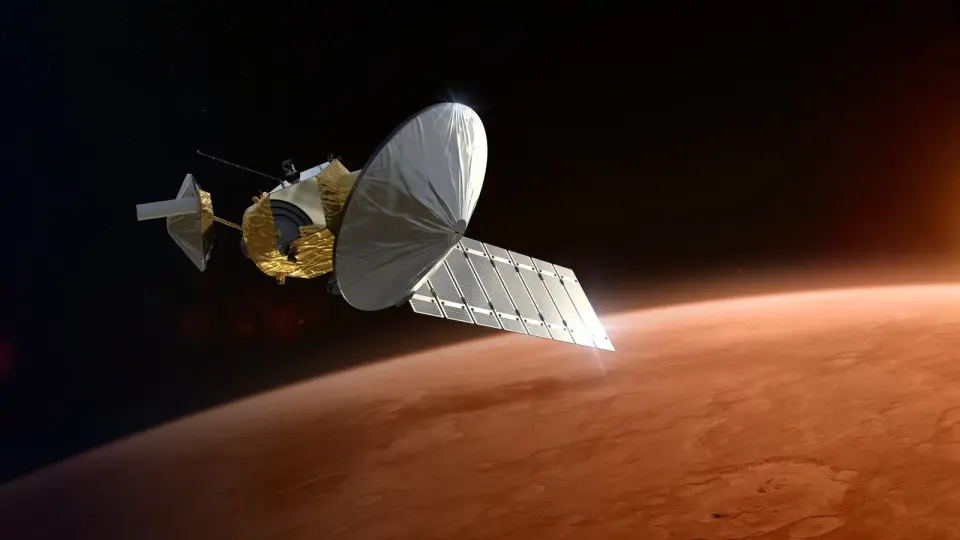
Rocket Lab has formally protested NASA's decision to award Blue Origin a $700 million contract for the Mars Telecommunications Network. The California-based company argues the selection violated congressional eligibility criteria and involved inconsistent technical reviews. Blue Origin, led by Jeff Bezos, will use its Blue Ring platform to build the relay orbiter, with delivery due by late 2028 and operations starting in 2030. The network aims to replace aging Mars orbiters and support future robotic and human missions.
Key points
- Rocket Lab filed a protest with the Government Accountability Office on September 11, 2026, challenging NASA's award of the Mars Telecommunications Network contract to Blue Origin.
- The contract is valued at up to $700 million and requires Blue Origin to design, build, launch, and operate a communications orbiter in Mars orbit.
- Blue Origin plans to use its Blue Ring spacecraft, which is already in production at a rate of four units per year, to fulfill the contract.
- The Mars Telecommunications Network is scheduled for delivery by December 31, 2028, and full operational status by 2030.
- Rocket Lab claims NASA's decision was inconsistent with congressional eligibility criteria and that its technical proposal was unfairly reviewed.
Background
In early September 2026, NASA awarded Blue Origin the contract for the Mars Telecommunications Network, a move that caused Rocket Lab's stock to slide. Institutional investors like ARK Investment responded by buying Rocket Lab shares, signaling continued interest despite the setback. The new network is intended to replace aging orbiters like Mars Odyssey (2001) and Mars Reconnaissance Orbiter (2005), which currently handle most Mars communications. This contract is part of NASA's broader strategy to expand commercial partnerships for space infrastructure, similar to its approach with lunar missions under the Artemis program.
How outlets are covering it
Space.com and Data Center Dynamics highlight Rocket Lab's formal protest, emphasizing its claims that NASA's review process was punitive and inconsistent. W.media and Kent Reporter focus on the technical details of Blue Origin's Blue Ring platform and the strategic importance of the network for future Mars exploration. While all sources agree on the contract value and timeline, they differ in emphasis: some outlets frame the story as a competitive dispute over fair procurement, while others focus on the technological advancements and the shift toward commercial space infrastructure. Rocket Lab's protest adds a layer of controversy to what was initially reported as a straightforward contract award.
Why it matters
The outcome of this protest could set a precedent for how NASA evaluates commercial space contracts, particularly those involving critical infrastructure like Mars communications. If Rocket Lab's claims are upheld, it could lead to a re-evaluation of the award process and potentially impact future contracts. The reliability of Mars communications is crucial for both current robotic missions and future human exploration, making the integrity of the procurement process a matter of public interest. Additionally, the dispute highlights the growing competition among private space companies for government contracts, which could influence the development of space technology and infrastructure in the coming decade.
What to watch
The Government Accountability Office will review Rocket Lab's protest and may issue a recommendation to NASA. If the protest is successful, NASA could be required to re-evaluate the contract award or even re-compete the contract. Blue Origin will continue to develop the Blue Ring spacecraft for the Mars Telecommunications Network, with delivery due by the end of 2028. The outcome of this dispute could also influence future NASA contracts for space infrastructure, potentially leading to stricter procurement standards or increased scrutiny of commercial space companies.
- Rocket Lab protests NASA's decision to award Blue Origin $700 million Mars orbiter contract Space
- Blue Origin to develop communications network around Mars for NASA W.Media
- Blue Origin to become first telco on Mars with $700m NASA contract Data Center Dynamics
- NASA selects Kent-based Blue Origin for Mars telecommunications Kent Reporter
- # 🚀🔵🔴 ROCKET LAB vs BLUE ORIGIN ## **THE RACE TO BUILD DEEP SPACE INFRASTRUCTURE** # EPISODE 1 x.com
Want the full story? Read the original reporting
Read on Space