
Roman Space Telescope could census exoplanets across the galaxy in one mission
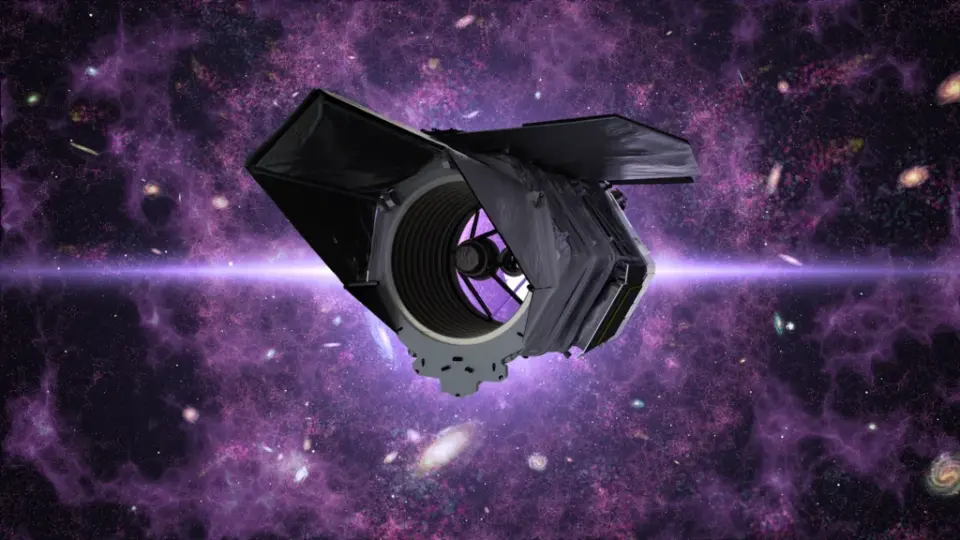
NASA’s Nancy Grace Roman Space Telescope, slated for launch on August 30, 2026, could detect tens to hundreds of thousands of exoplanet signals (roughly 60k–200k transiting planets, with ~100k often cited) via microlensing toward the Galactic bulge and high-cadence transit monitoring, creating a galaxy-wide planetary census rather than a simple list of confirmed worlds. Many detections will be planet candidates needing follow-up; the mission aims to map how planet populations vary with distance from the galactic center and environment, complementing Kepler and other missions. Roman features a 2.4-meter mirror, a wide field of view, a 300-megapixel infrared camera, and will operate from the Sun–Earth L2 point, including a coronagraph demonstration for direct-light studies.
- NASA's Nancy Grace Roman Space Telescope, due to launch in August 2026, is expected to discover around 100,000 exoplanets in a single mission — more than every telescope in the history of astronomy combined Space Daily
- Telescope Milestone: NASA’s Roman Moves Vertical Ahead of Processing NASA Science (.gov)
- NASA’s Roman Space Telescope gets vertical at Kennedy Space Center The Daily Gazette
- Roman vs Hubble views The Planetary Society
- Send your name to space on the Nancy Grace Roman telescope Spectrum News 13
Want the full story? Read the original reporting
Read on Space Daily