
"Scientists: Detecting Signs of Life on Saturn's Moon Enceladus is Viable"
TL;DR Summary
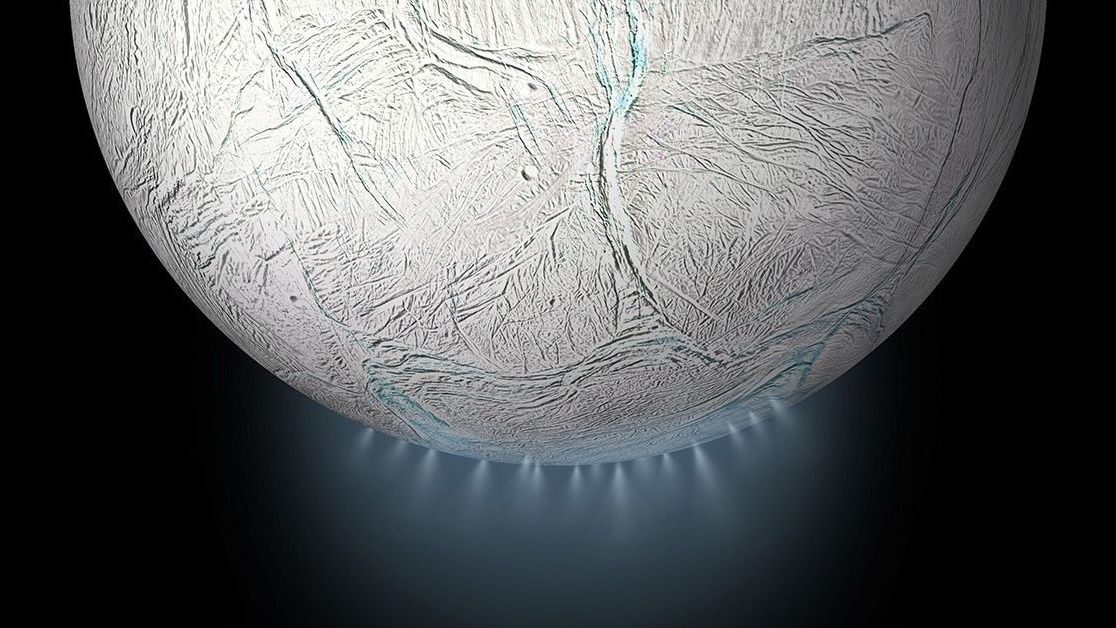
Scientists have conducted a lab experiment to determine if amino acids in the ice plumes shooting up from Saturn's moon Enceladus could survive contact with a spacecraft. The experiment showed that amino acids within ice grains could withstand impact speeds of up to 9,400 mph, suggesting that they could be collected without being destroyed. This finding has implications for future missions to other water-bearing moons, such as Jupiter's Europa, where similar amino acids may exist. The study was published in the journal Proceedings of the National Academy of Sciences.
- Signs of life shooting from Saturn's moon Enceladus would be detectable by spacecraft, scientists say Space.com
- If Enceladus Or Europa Have Life It Might Be Easy To Find IFLScience
- Here's how fast a spacecraft should fly to successfully detect amino acids erupting from Enceladus The Register
- NASA Funded Experiments Show Detecting Signs of Life in Water Ejected from Enceladus is Viable The Debrief
- We could find signs of life on another world in our solar system, scientists say The Independent
Reading Insights
Total Reads
0
Unique Readers
9
Time Saved
2 min
vs 3 min read
Condensed
82%
497 → 89 words
Want the full story? Read the original article
Read on Space.com