
Space Nuclear Push Grapples With Fuel, Workforce, and Budget Hurdles
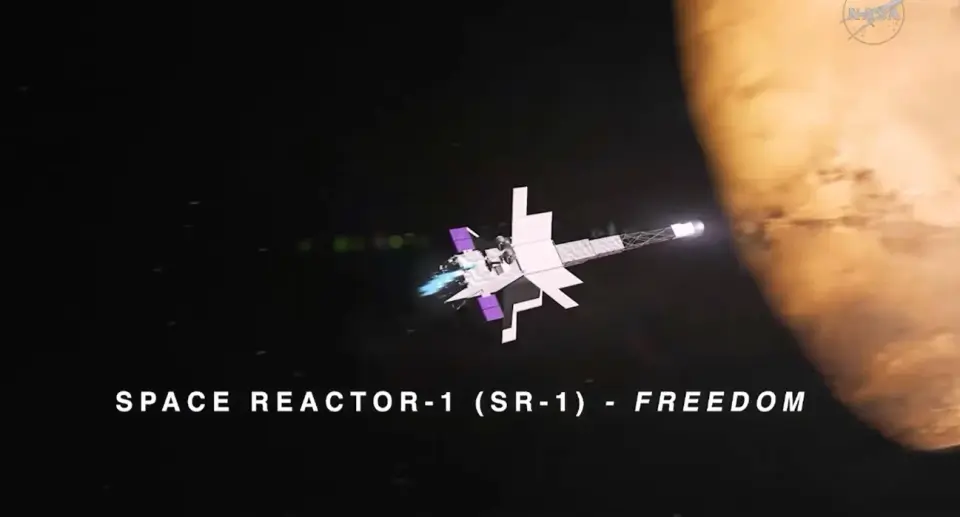
NASA plans to launch Space Reactor 1 (SR-1) Freedom for a Mars mission by 2028 to demonstrate nuclear electric propulsion, with Lunar Reactor 1 aiming to power future lunar operations, but the effort faces near-term bottlenecks—HALEU fuel availability, supply-chain constraints for reactor components, a small nuclear-space workforce, and limited ground-testing sites—and long-term risks of policy shifts after the current administration. Experts warn that success will require multiyear funding and a clear SR‑2/3/4 roadmap, plus stronger cross‑agency collaboration (DOE, NASA, OSTP) and alignment with other programs like the Army’s Janus microreactor efforts to avoid a repeat of past program cancellations.
- Space nuclear programs face near- and long-term challenges SpaceNews
- NASA Glenn leads nuclear-powered spacecraft development aimed at moon base and deep space exploration News 5 Cleveland WEWS
- US Charges Ahead on Nuclear to Support Space Missions Energy Intelligence
- US Space Nuclear Power Faces Fuel Shortage Zamin.uz
- Panelists point to cost, production as key challenges for space nuclear power and propulsion Aerospace America
Want the full story? Read the original reporting
Read on SpaceNews