
Tag

Space Nuclear

All articles tagged with #space nuclear

Space Nuclear Push Grapples With Fuel, Workforce, and Budget Hurdles
space1 month ago

Space Nuclear Push Grapples With Fuel, Workforce, and Budget Hurdles

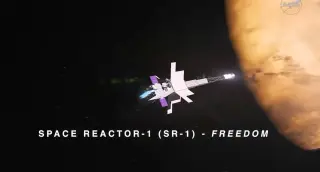
NASA plans to launch Space Reactor 1 (SR-1) Freedom for a Mars mission by 2028 to demonstrate nuclear electric propulsion, with Lunar Reactor 1 aiming to power future lunar operations, but the effort faces near-term bottlenecks—HALEU fuel availability, supply-chain constraints for reactor components, a small nuclear-space workforce, and limited ground-testing sites—and long-term risks of policy shifts after the current administration. Experts warn that success will require multiyear funding and a clear SR‑2/3/4 roadmap, plus stronger cross‑agency collaboration (DOE, NASA, OSTP) and alignment with other programs like the Army’s Janus microreactor efforts to avoid a repeat of past program cancellations.

Powering the Next Space Age with Nuclear Power
science3 months ago

Powering the Next Space Age with Nuclear Power

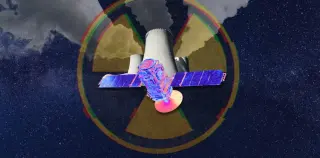
NASA plans Space Reactor-1 Freedom to fly to Mars by 2028 to test nuclear-powered interplanetary propulsion, and a small lunar reactor for Artemis by 2030, as part of a growing global push by nations and private actors. The piece underscores the need for robust safety frameworks and international cooperation, drawing lessons from past space nuclear programs (RTGs, SNAP-10A, Kosmos 954) to ensure accountability and minimize risks as space power expands beyond Earth.

NASA’s Moon Nuclear Push: A 2030 Reactor Quest and 2028 Mars Propulsion Demonstration
space4 months ago

NASA’s Moon Nuclear Push: A 2030 Reactor Quest and 2028 Mars Propulsion Demonstration

NASA and the Department of Energy signed an MoU to develop a 100+kW fission surface power reactor for deployment on the Moon by 2030, with DOE providing fuel and regulatory oversight while NASA funds and leads the program; a parallel SR-1 Freedom nuclear-electric propulsion track aims to demonstrate Mars missions by 2028. The initiative seeks to overcome decades of space-nuclear delays by tying explicit mission needs, fixed-price contracting, and formal interagency leadership to the effort, though whether it will deliver a working reactor and a practical Mars transfer by the target dates remains uncertain. Geopolitically, the plan notes potential 'keep-out zones' if rivals beat the U.S. to the Moon, underscoring a broader strategic dimension to the push. The project is estimated around $3 billion over five years.