
SpaceX achieves first-ever upper stage catch on Starship Flight 15
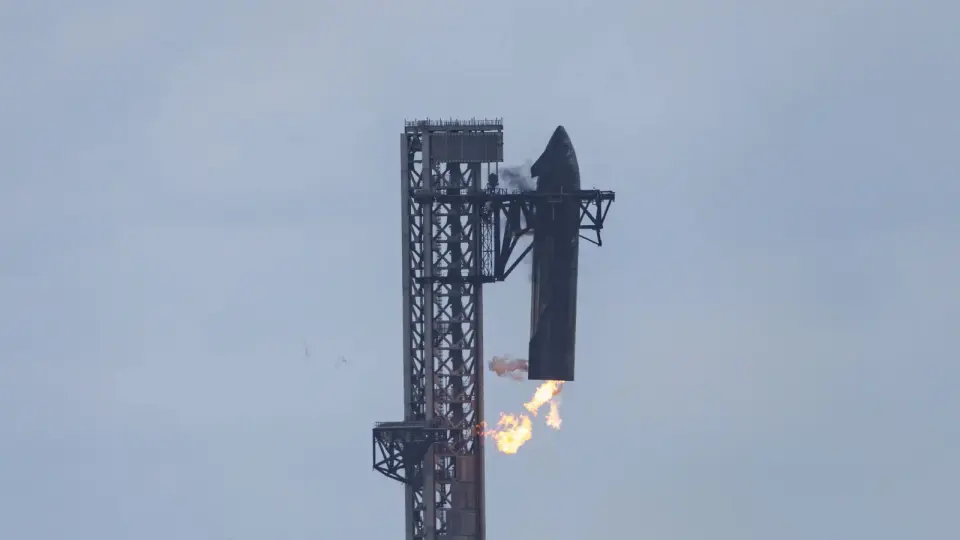
SpaceX successfully recovered its Starship upper stage on November 14, 2026, marking the first time a spacecraft has returned from orbit to its launch site. The Super Heavy booster splashed down in the Gulf of Mexico after a low-fuel alarm aborted its catch attempt. This milestone supports SpaceX's goal of full reusability and rapid reflight cadence.
Key points
- The Starship upper stage was caught by the 'chopstick' arms at Starbase, Texas, 22.5 hours after launch on November 13.
- The Super Heavy booster failed to land at the tower due to a low-fuel alarm and instead splashed down in the Gulf of Mexico.
- SpaceX has previously caught the booster three times but had never attempted to catch the upper stage before this flight.
- The mission deployed 26 Starlink V3 satellites, with some carrying cameras to monitor the heat shield during reentry.
- SpaceX aims for 10,000 launches per year by 2030 to support massive satellite constellations and lunar missions.
Background
Previous archive entries confirmed the launch on November 13 and the aborted booster catch. This briefing synthesizes the outcome of the upper stage recovery, which was the primary goal of the 22-hour test flight.
How outlets are covering it
Space.com and The New York Times emphasize the historic nature of the upper stage catch, describing it as a 'holy grail' of spaceflight and a key step toward full reusability. CNN highlights the technical risks, noting that orbital reentry is far more dangerous than suborbital tests due to unpredictable atmospheric drag. While SpaceX celebrates the success, CNN points out that the booster catch failure and the need for in-orbit refueling remain significant hurdles for future lunar missions.
Why it matters
This achievement validates SpaceX's vision of fully reusable rockets, which is critical for reducing launch costs and enabling the massive satellite constellations and crewed lunar missions planned for the late 2020s. It also sets a precedent for rapid turnaround times, potentially allowing for an hourly launch cadence by 2030.
What to watch
SpaceX will investigate the booster's low-fuel issue and prepare for the next test flight, which will attempt a double catch. The company is also working on in-orbit refueling tests, expected in early 2027, to support NASA's Artemis IV lunar landing targeted for 2028.
- What's next for SpaceX's Starship after epic Flight 15 chopsticks catch? Space
- SpaceX Makes History With Successful Rocket Catch in Texas The New York Times
- Highlights: SpaceX Starship soars in orbit, still aiming for ship catch in unprecedented test flight CNN
- SpaceX achieves another historic first The Economist
- SpaceX's Starship returns from orbit and is captured by launch pad arms in a dramatic first Phys.org
Want the full story? Read the original reporting
Read on Space