
SpaceX Starship Flight 14 targets first orbital deployment of operational Starlink satellites
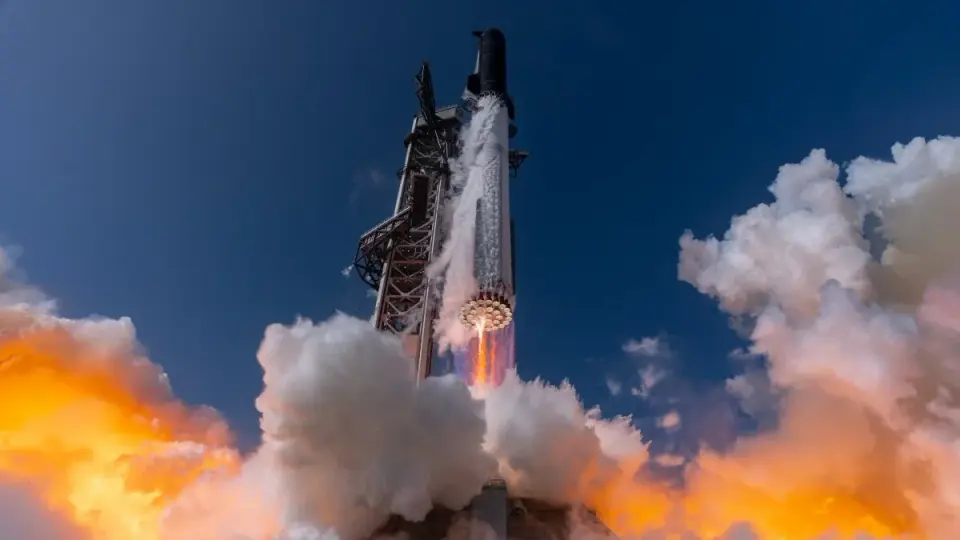
SpaceX is set to launch Starship Flight 14 on September 28, 2026, from Starbase, Texas, marking the vehicle's first attempt to reach Earth orbit. The mission aims to complete six orbits over ten hours, deploy 26 operational Starlink V3 satellites, and test a controlled reentry. This test follows 13 suborbital flights and includes hardware fixes for engine reliability issues. Success could validate Starship's reusability and support NASA's Artemis moon missions, though risks include potential debris risks if control is lost in orbit.
Key points
- Launch window opens at 8:15 a.m. ET on September 28, with a 75-minute window closing at 9:30 a.m. ET.
- The spacecraft will attempt to orbit Earth six times at an altitude of approximately 170 miles, well below the International Space Station.
- The mission includes the deployment of 26 operational Starlink V3 satellites, a first for the vehicle, with three carrying cameras to monitor the heat shield.
- SpaceX has implemented hardware and software updates to address engine clogging and relight reliability issues observed in the previous July test.
- The Super Heavy booster will attempt a controlled splashdown in the Gulf of Mexico, while the upper stage will reenter and splash down in the Pacific Ocean off Chile.
- If any malfunctions are detected, controllers may abort the orbital insertion burn, allowing the vehicle to follow a passive suborbital trajectory for safe reentry.
Background
Starship has undergone 13 suborbital test flights since 2023, with nearly half ending in unintended explosions. Previous tests used 'passively safe' trajectories to ensure safe reentry even if control was lost. This flight marks a transition to active orbital operations, a critical step for achieving full reusability. SpaceX has also announced plans for a $100 billion launch hub in Louisiana and aims for 10,000 launches per year by 2030, though current FAA caps limit annual flights. The vehicle is central to NASA's Artemis program for lunar missions and Musk's long-term goal of Mars colonization.
How outlets are covering it
Mashable emphasizes the historic nature of the first orbital attempt and the technical explanation of how orbital velocity prevents crash landing. CNN highlights the increased risks, noting that unlike suborbital tests, an orbital Starship cannot be easily recovered if control is lost, posing a threat to other satellites. CNN also notes the potential impact on the broader space industry as SpaceX phases out Falcon 9 launches. Space.com provides live updates on pre-launch preparations, including a wet dress rehearsal. Yahoo Finance focuses on the commercial implications, noting that deploying operational Starlink satellites represents a shift toward revenue-generating missions, though the article text was largely obscured by technical data in the source.
Why it matters
Success in Flight 14 is a prerequisite for Starship to become a fully reusable launch vehicle, which could drastically reduce the cost of space access. It is essential for deploying next-generation Starlink satellites and for NASA's Artemis III mission to land astronauts on the Moon. Failure or debris risks could delay these programs and raise safety concerns for other orbital assets.
What to watch
SpaceX will monitor the flight for 10 hours, assessing heat shield performance and satellite deployment. If successful, the Starlink satellites will enter service within weeks. SpaceX plans to continue testing reusability, including attempts to land the booster and upper stage back at the launch tower. The company is also expanding its launch infrastructure in Florida and Louisiana to increase launch cadence.
- SpaceX's Starship is about to attempt a 10-hour spaceflight: Watch live. Mashable
- The most powerful rocket ever built is on the verge of its biggest — and riskiest — test yet CNN
- SpaceX Starship Flight 14 live updates: Pre-launch wet dress rehearsal underway Space
- SpaceX’s Starship Rocket Is Heading To Orbit–With A Lot On The Line Forbes
- SpaceX's Next Starship Launch Will Generate Revenue -- Sort Of Yahoo Finance
Want the full story? Read the original reporting
Read on Mashable