
Starship Flight 13 Validates Core Physics of 2017’s 39-Minute Global Transit Concept
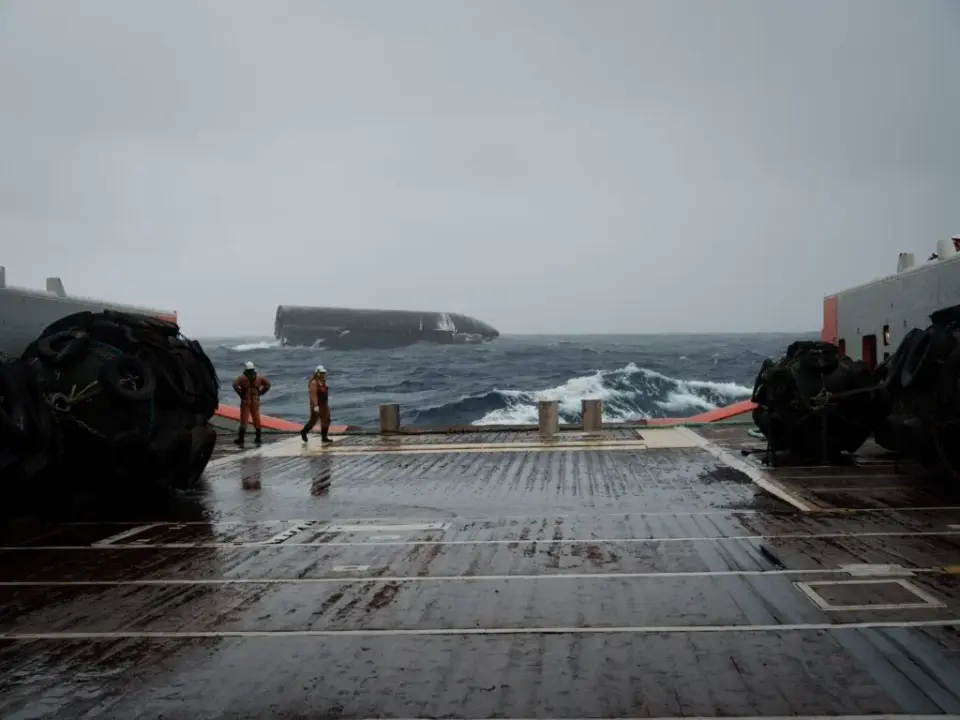
SpaceX’s 2017 proposal for 39-minute New York-to-Shanghai flights remains unimplemented, but recent Starship tests have validated the core physics. Flight 13 demonstrated a controlled suborbital trajectory, atmospheric re-entry, and a soft splashdown, proving the vehicle can cross planetary scales. However, critical infrastructure, passenger safety systems, and reusable landing mechanisms remain unproven.
Key points
- The 39-minute figure from the 2017 BFR presentation refers only to rocket flight time, excluding ground transport, security, and boarding procedures.
- The original BFR design has evolved significantly into the current Starship, which uses stainless steel instead of carbon composite and features a 124-meter height with 33 Raptor engines on the booster.
- Flight 13 on July 24, 2026, successfully demonstrated a suborbital trajectory, atmospheric re-entry, and a controlled splashdown in the Indian Ocean, covering a distance greater than the New York-Shanghai route.
- The upper stage landed in water rather than on a platform, and the booster failed to land successfully, indicating that full reusability and precise platform landings are not yet achieved.
- Passenger safety, life support, abort procedures, and offshore terminal infrastructure remain untested, as current Starship missions carry satellites rather than humans.
Background
Space Daily previously reported on Starship Flight 13 in late July 2026, highlighting its soft splashdown and satellite deployment. Earlier coverage in August 2026 detailed the recovery of the upper stage and noted ongoing heatshield concerns. The company’s broader launch cadence, including Falcon 9 missions and Starlink deployments, continues to support its infrastructure development.
Why it matters
The validation of Starship’s re-entry and trajectory capabilities moves point-to-point space travel from theoretical animation to demonstrated engineering. However, the gap between a successful test flight and a viable passenger service remains vast, requiring solutions for reusable landing, passenger safety, and economic viability.
What to watch
SpaceX must demonstrate upper-stage reuse, precise platform landings, and passenger-rated systems. The company’s June 2026 prospectus outlines needs for additional launch sites, production capacity, and regulatory approvals to support high-cadence operations.
Want the full story? Read the original reporting
Read on Space Daily