
The 1946 V-2 That Painted Earth From the Edge of Space
TL;DR
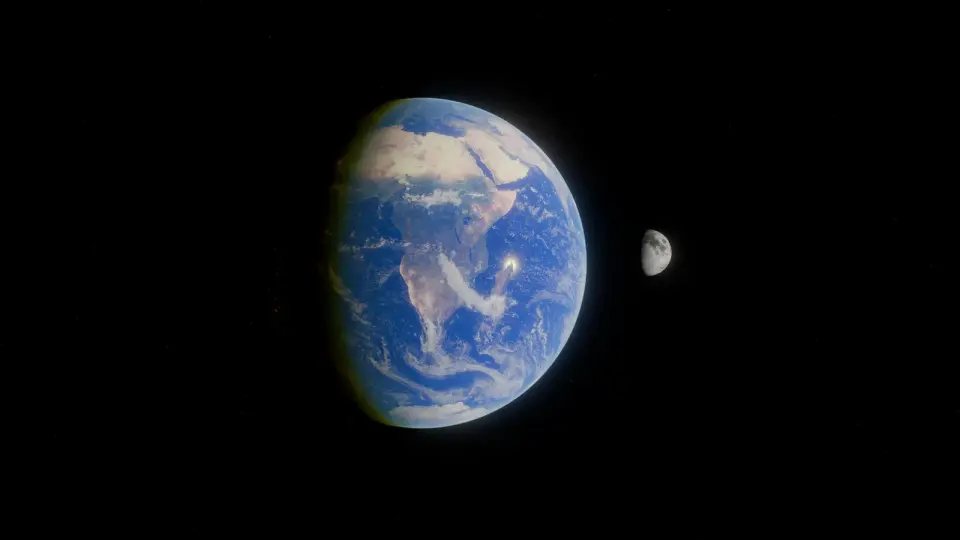
In 1946, a captured German V-2 rocket launched from White Sands carried a DeVry 35mm camera mounted in a steel nose-cone cassette; the camera survived the launch and impact, returning the first known photographs of Earth from space, showing horizon curvature and space above a sunless sky. Engineered by Clyde Holliday of Johns Hopkins APL, the mission used a camera able to endure ascent and radiation, with images later published in National Geographic. The wartime weapon’s postwar use helped seed the American space program, linking to the broader story of Operation Paperclip and the dawn of the space age.
Topics:sciencespace#clyde-holliday#first-earth-photograph#space#space-history#v-2-rocket#white-sands
Want the full story? Read the original reporting
Read on Space Daily