
Titan’s equatorial dunes: 100–150 m tall and likely ice grains cloaked in organics
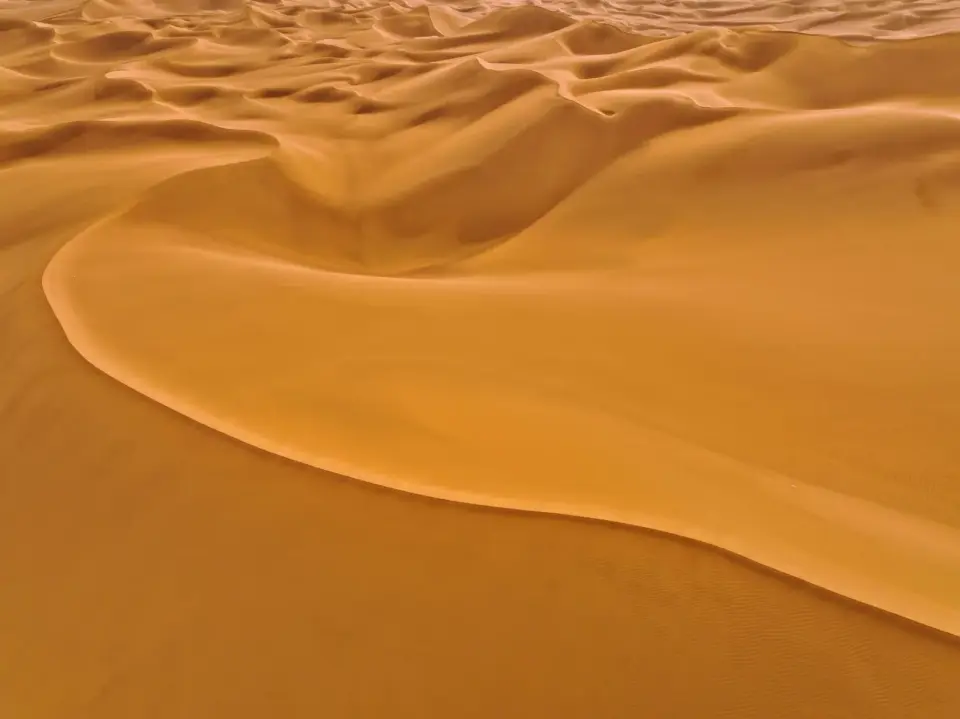
Cassini radar mapped long, near-parallel dunes across Titan’s equator, with individual ridges about 1–2 km wide and 100–150 m high, spanning hundreds of kilometres and occupying a notable fraction of the equatorial surface. The dune grains are plausibly water ice coated with hydrocarbons that settled from Titan’s orange atmosphere, though some analyses favor mostly organic grains; no spacecraft has sampled them yet. Dragonfly, launching no earlier than 2028 and arriving around 2034, will study dune material up close to help resolve the composition debate. The work also highlights an active sediment cycle driven by atmospheric chemistry and episodic methane storms that transport and shape the dunes over long timescales.
Want the full story? Read the original reporting
Read on Space Daily