
Two Lost Ice Giants May Have Shaped the Early Solar System
TL;DR
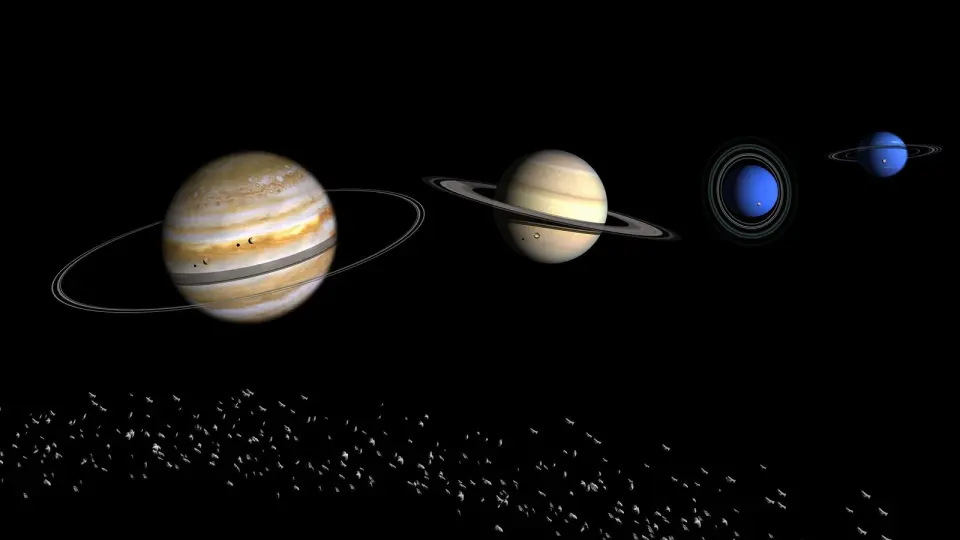
A new study based on 122 simulations suggests the early outer solar system may have hosted two additional ice-giant planets with masses between Earth and Neptune that were later ejected. Depending on whether the system started with five or six giants, Jupiter’s moons remained stable in the presence of two extra ice giants, while Uranus’s moons stayed stable with only one extra; Miranda’s ice content hints at past moon collisions. The findings imply a far bardziej crowded infancy for the solar system than previously thought, and the team notes further simulations are needed to pin down the exact number and masses of the missing planets. The work was published online in Icarus (2026).
- Two giant 'super Earths' once orbited near Uranus and Neptune, then vanished, new study suggests Live Science
- The Moons of Uranus May Hold the Key to Finding Missing Planets WIRED
- The Solar System May Have Lost 2 Planets, And The Mystery Just Deepened Yahoo
- Our Solar System May Once Have Had Five Giant Planets – And That Could Help Solve Some Solar System Mysteries IFLScience
- Uranus’ Moons May Have Been Smashed and Rebuilt — Twice ZME Science
Want the full story? Read the original reporting
Read on Live Science