
Voyager 1 nears a light-day from Earth, marking humanity’s farthest ongoing beacon
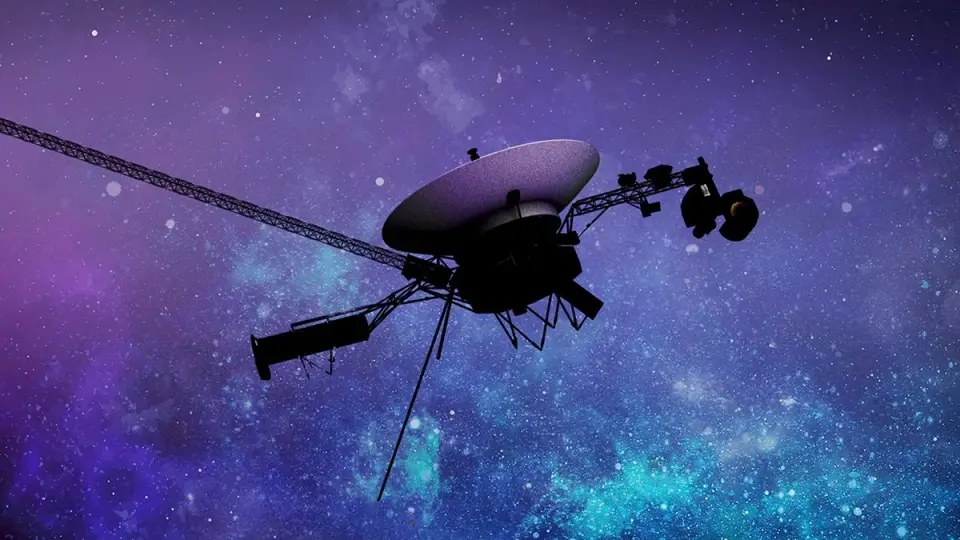
TL;DR
NASA’s Voyager 1 is set to reach exactly one light-day from Earth in November 2026, about 25.9 billion kilometers away, continuing to send science data despite aging power and limited instruments. It has already crossed the termination shock and heliopause into the interstellar medium, but remains far from the Solar System’s edge; by around 2036 it could become undetectable, after which it will drift through the Milky Way for eons as a relic of humanity’s first grand interstellar-leaning probes.
- NASA's Voyager 1 probe is about to reach a distance of 1 light-day from Earth. Here's why this cosmic milestone is so huge BBC Sky at Night Magazine
- Voyager 1 is now so far from Earth that a signal traveling at the speed of light takes more than 22 hours to reach it — so when engineers send a command, they can wait nearly two days to know whether the spacecraft responded Space Daily
- When will the Voyager spacecraft cease operations, and is there any possibility of their preservation? Universe Space Tech
- Voyager 1's signal now takes more than 23 hours to reach Earth, and by the time NASA receives the next status check the spacecraft will already be 1.5 million kilometres further into interstellar space Space Daily
Want the full story? Read the original reporting
Read on BBC Sky at Night Magazine