
Voyager's 'Big Bang' Power Fix Could Extend Deep-Space Mission into the 2030s
TL;DR Summary
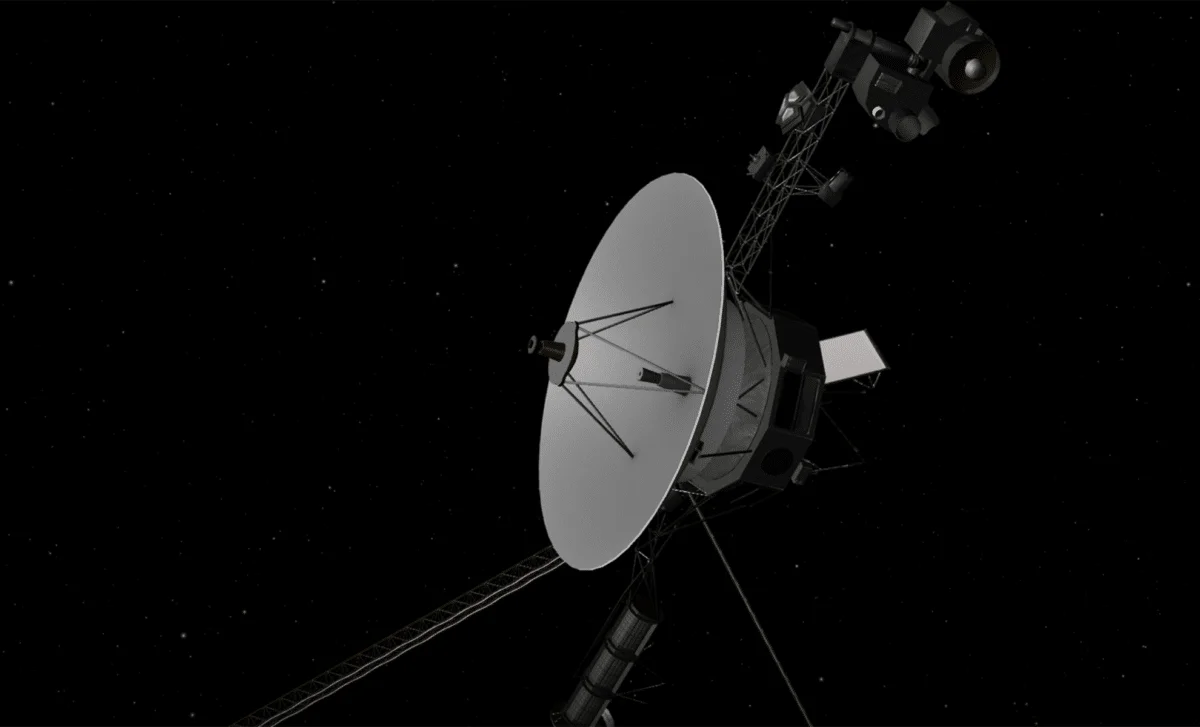
NASA's Voyager 1 and 2 may keep transmitting deep-space data into the 2030s thanks to a high-risk power-management maneuver nicknamed the 'Big Bang' that will disable three instruments to prevent fuel-line freezing and replace them with new devices to save about 10 watts. Testing on Voyager 2 in May and June 2026, followed by Voyager 1, aims to extend instrument life by roughly a year as power from aging RTGs dwindles; the goal remains to reach about 200 astronomical units by around 2035, though the probes will continue to lose capability as power declines and the transmitter consumes most of the remaining power.
- NASA's Voyager Probes Are Defying Time, And This Bold Plan Could Extend Their Mission for Decades The Daily Galaxy
- The farthest probe from Earth faces its most dangerous mission yet Futura, le média qui explore le monde
- NASA shuts down 49-year-old Voyager 1 instrument to keep it alive ScienceDaily
- NASA Powers Down Voyager 1 Instrument As It Fights To Survive Deep Space SciTechDaily
- NASA plans 2026 'Big bang' maneuver to preserve Voyagers's instruments NewsBytes
Reading Insights
Total Reads
1
Unique Readers
53
Time Saved
6 min
vs 7 min read
Condensed
92%
1,296 → 103 words
Want the full story? Read the original article
Read on The Daily Galaxy