
NRAO Demands Withdrawal of SpaceX Starlink Gen 3 Application Over Radio Interference
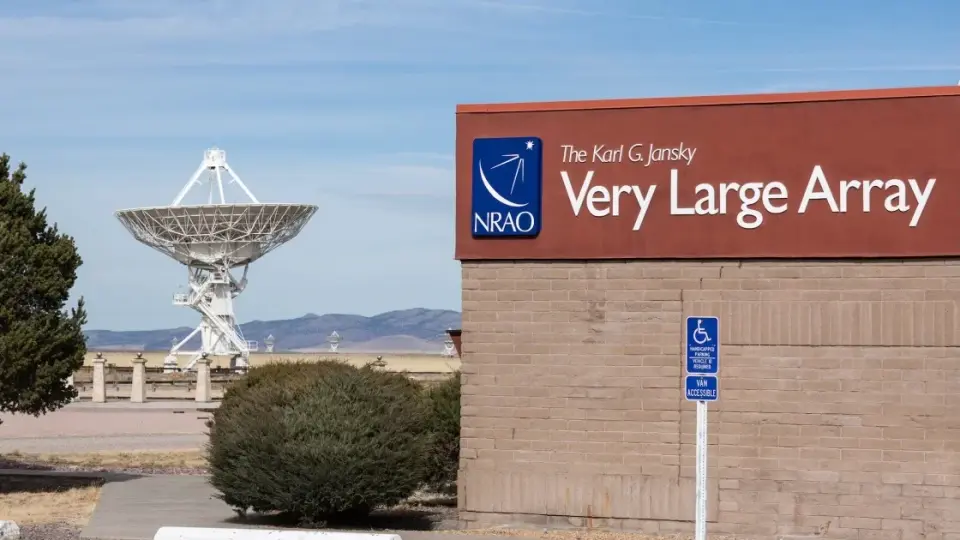
The National Radio Astronomy Observatory has formally opposed SpaceX’s application for a 100,000-satellite third-generation Starlink constellation, citing harmful interference with critical radio frequencies. While SpaceX previously collaborated with the observatory to mitigate signal noise, the new proposal targets bands used for observing protostars and comets, prompting a request for the application's withdrawal.
Key points
- SpaceX has proposed a third-generation Starlink constellation consisting of 100,000 satellites, a tenfold increase over the current 10,000-satellite network.
- The National Radio Astronomy Observatory (NRAO) filed a formal objection with the Federal Communications Commission, arguing that the proposed frequency bands are incompatible with radio astronomy operations.
- The contested frequencies include 148.5 to 151.5 GHz, 200 to 209 GHz, and 250 to 252 GHz, which are globally used for observing protostars, protoplanetary disks, and comets.
- NASA has also raised concerns regarding the constellation's low orbital altitude of 323 kilometers, which could interfere with future Artemis missions and increase launch collision avoidance risks.
- SpaceX previously stated in July that the contested bands were 'lightly used' and pledged to continue coordinating with radio astronomy stakeholders to prevent harmful interference.
Background
Recent advancements in radio astronomy, such as the first direct detection of radio signals from the exoplanet Beta Pictoris b, highlight the critical importance of uncontaminated radio frequencies for scientific discovery. Additionally, researchers have recently utilized Starlink satellite decay to create atmospheric barometers, demonstrating the complex interplay between commercial satellite operations and scientific data collection in low Earth orbit.
Why it matters
The opposition from the NRAO represents a significant regulatory hurdle for SpaceX’s expansion plans, potentially delaying the deployment of a massive constellation designed to deliver multi-gigabit speeds. The conflict underscores the growing tension between commercial space infrastructure and the preservation of radio quiet zones necessary for fundamental scientific research and climate monitoring.
What to watch
The Federal Communications Commission must now review the NRAO’s filing and determine whether to approve, modify, or reject SpaceX’s application for the third-generation Starlink constellation. SpaceX and the NRAO have not yet responded to requests for comment regarding the specific technical defects cited in the objection.
Want the full story? Read the original reporting
Read on PCMag