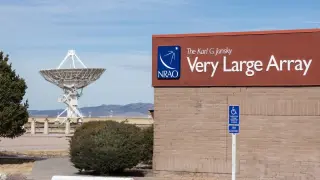
The National Radio Astronomy Observatory has formally opposed SpaceX’s application for a 100,000-satellite third-generation Starlink constellation, citing harmful interference with critical radio frequencies. While SpaceX previously collaborated with the observatory to mitigate signal noise, the new proposal targets bands used for observing protostars and comets, prompting a request for the application's withdrawal.
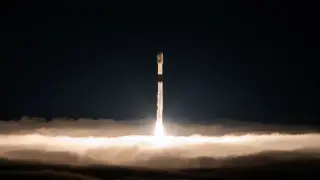
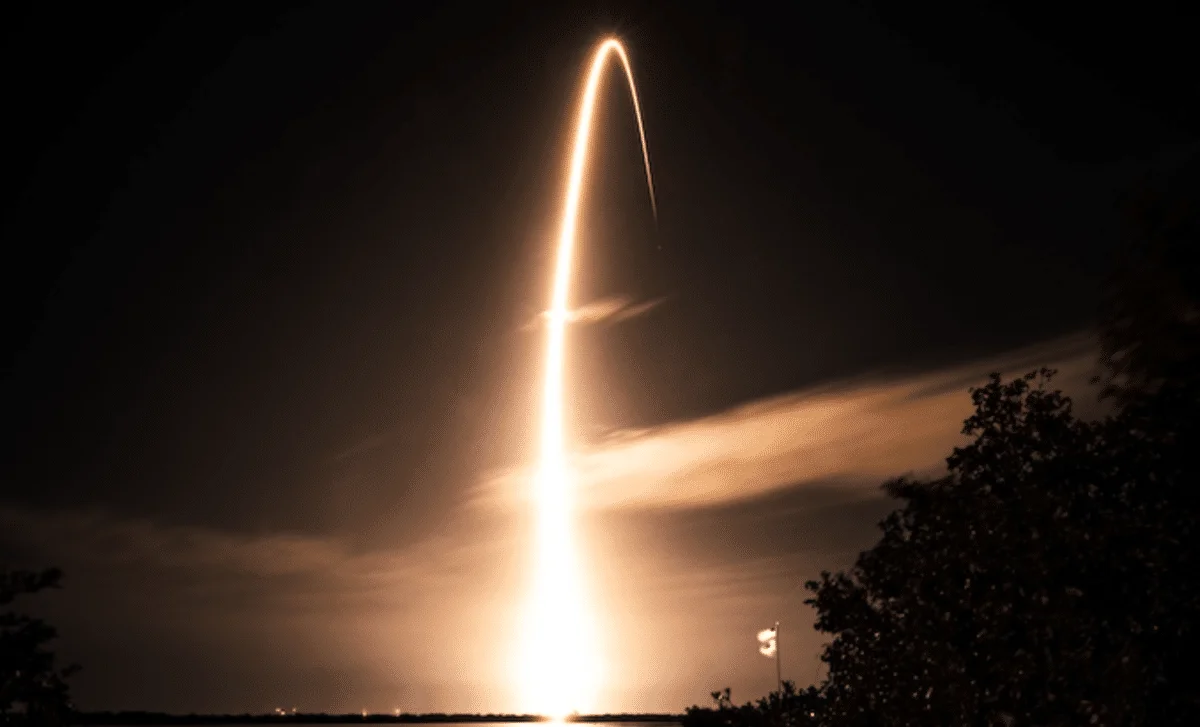
SpaceX completed its 100th orbital launch of 2026 on August 22, deploying 27 Starlink satellites from Vandenberg Space Force Base. This mission, the 99th Falcon 9 flight of the year, pushed the Starlink constellation past 11,000 satellites in orbit, representing roughly two-thirds of all active satellites globally. The booster B1100 successfully landed on the droneship 'Of Course I Still Love You' for its ninth flight, highlighting SpaceX's continued dominance in launch cadence and satellite deployment.
SpaceX has reached a significant operational milestone by deploying its 11,000th active Starlink satellite into low Earth orbit. This achievement occurred during the Starlink Group 17-50 mission, which launched on August 19, 2026, from Vandenberg Space Force Base in California. The Falcon 9 rocket carried 24 V2 Mini satellites, successfully deploying them approximately one hour after liftoff. The first stage booster, B1097, completed its 12th flight and landed on the droneship Of Course I Still Love You. This launch brings the total number of active satellites in orbit to just over 11,000, marking a key point in the constellation's expansion since its inception in 2018. The network now serves millions of users across more than 160 countries, supporting residential, maritime, and emergency services. SpaceX continues to expand the constellation to improve global broadband coverage, with future plans focusing on next-generation V3 satellites that require the Starship vehicle for deployment.
SpaceX successfully launched eight Globalstar satellites into low Earth orbit on August 15, 2026, from Cape Canaveral. The mission, designated Globalstar 2-R Launch 1, utilized a Falcon 9 rocket with booster B1090, which completed its 14th flight and landed at Landing Zone 40. The satellites are designed to support direct-to-handset emergency SOS alerts on Apple devices. This launch was the first of two planned replenishment missions for Globalstar’s 17-satellite constellation, occurring amidst a pending acquisition by Amazon expected to close in 2027.
The European Commission has finalized the implementation plan for the IRIS2 satellite constellation, increasing the network to 348 satellites and raising the total cost to 15.6 billion euros. The project, led by the SpaceRISE consortium, aims to provide secure, sovereign broadband for government and emergency services, with initial launches scheduled for 2029.
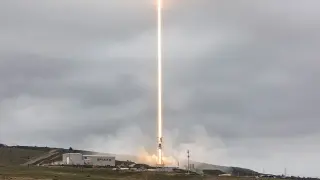
SpaceX launched a Falcon 9 rocket from Vandenberg Space Force Base in California, deploying 24 Starlink satellites (Group 17-28) into low Earth orbit; Booster 1063 landed on the droneship "Of Course I Still Love You" in the Pacific,marking its 33rd flight. The Starlink network now exceeds 10,600 active satellites, and this mission was SpaceX’s 72nd Falcon 9 launch of the year.
AST SpaceMobile says Blue Origin’s launchpad explosion will delay its direct-to-smartphone satellite constellation by 3–6 months, pushing initial commercial services into the first half of 2027; the company plans to rely on multiple launch providers, including SpaceX and ULA’s Vulcan.
The NRO’s 13th mission (NROL-172) adds to a proliferated constellation of many smaller satellites, signaling a strategic shift toward faster data delivery, greater coverage, and resilience through scale—the launch from Vandenberg on a Falcon 9 with a classified payload underscores the move from a few large assets to a large, networked intelligence architecture with hundreds of satellites planned through 2029.
ULA is launching 29 Amazon Leo satellites on an Atlas 5 from Cape Canaveral, marking the sixth Leo production flight and the fastest turnaround at Space Launch Complex 41; liftoff is set for 8:52 p.m. EDT, boosting Amazon Leo to 270 satellites as the company builds a broader constellation of more than 3,200.
Blue Origin has filed with the FCC seeking authority to launch up to 51,600 low-Earth-orbit satellites for orbital data centers under Project Sunrise, supplementing its 5,408-satellite TeraWave plan and using laser links to serve terrestrial data centers and government customers; the move intensifies the space data-center race, drawing objections from SpaceX while other players like Starcloud eye the market and Amazon’s Leo/AWS could intersect in the future.
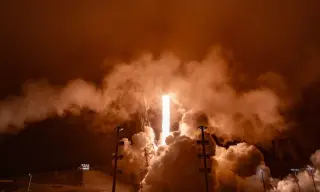
SpaceX successfully launched the Starlink 6-103 mission from Cape Canaveral, adding 29 satellites to the Starlink constellation now exceeding 9,600 satellites, despite forecasts of poor weather; the Falcon 9 booster B1090 completed its 10th flight and landed on the droneship, highlighting SpaceX’s reusability and its goal of delivering global broadband.
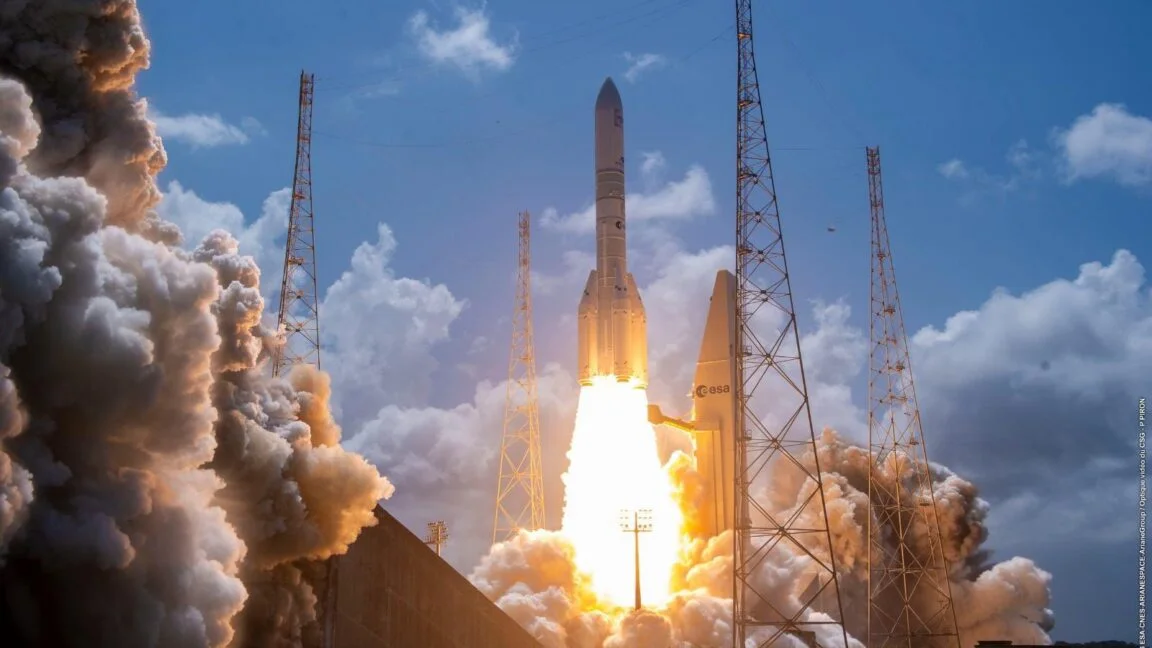
Europe's heavy-lift Ariane 64 launched from Kourou, delivering 32 Amazon Leo satellites to a ~465 km orbit, marking a milestone for Europe’s launch capabilities and accelerating Amazon's plan to deploy a ~3,200-satellite constellation to compete with SpaceX's Starlink.
Rocket Lab has secured its largest contract to date, worth $816 million, to design and produce 18 advanced missile-warning satellites for the U.S. Space Force, leveraging its vertically integrated manufacturing to deliver rapid, cost-effective solutions and expanding its role as a key prime contractor in national security space programs.
Rocket Lab has secured an $816 million contract from the U.S. Space Development Agency to build 18 advanced missile-warning satellites for the Tracking Layer Tranche 3 program, utilizing its vertically integrated manufacturing to deliver resilient, cost-effective space solutions that enhance national security and counter evolving threats.
Muon Space has launched its FireSat satellite, the first in a planned constellation of over 50 satellites designed to scan the entire Earth every 20 minutes to detect wildfires using multi-band infrared sensors, aiming to improve wildfire response and mitigation.