
UK woman raises orphaned swift in bedroom for 17 days before releasing it to migrate
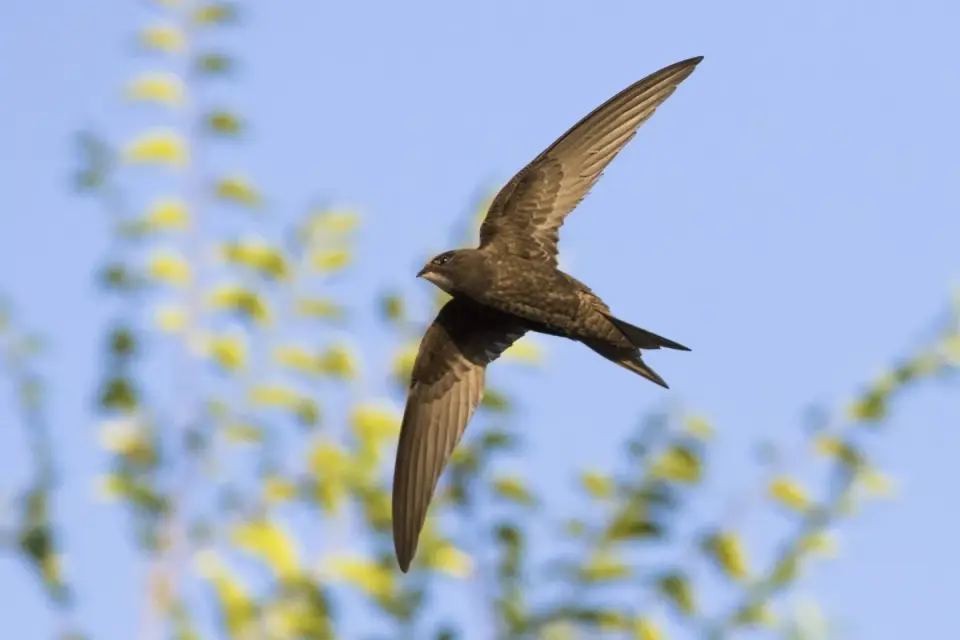
A UK wildlife enthusiast successfully rehabilitated a heat-stressed baby common swift in her bedroom over 17 days, releasing it just before the species's mass migration to Africa. The bird, which weighed only 24g initially, required intensive care including 100 crickets daily to reach the necessary 38g weight and 15cm wing length for flight. This individual rescue highlights the broader crisis facing the species, which has declined by over 60% in Britain since the 1990s due to habitat loss from building renovations and modern insulation materials. Fewer than 40,000 pairs remain in the UK, making every successful recovery significant for the population's survival. The swift, believed to be female, was released into a meadow after observing other swifts, joining a group of 30 birds preparing for their long-distance journey. Adult swifts can fly non-stop for nine months and live up to 20 years, covering distances equivalent to eight trips to the moon. The story underscores the critical need for cavity-nesting habitat in urban areas and the specialized care required for these ancient birds, whose lineage dates back 50 million years. The successful release demonstrates that even without professional rehabilitation centers, dedicated individuals can contribute to conservation efforts for endangered species. The swift's return is expected in approximately 1,000 days, completing its first migration cycle. This case illustrates the intersection of human habitation and wildlife needs, as swifts adapted to buildings after forests were cleared but now struggle with modern construction standards that block their nesting sites. The emotional bond formed during the 17-day care period highlights the complex relationship between humans and urban wildlife, showing how personal intervention can support species survival in the face of environmental challenges. The release occurred in July, coinciding with the peak migration period when swifts travel over the Sahara to Africa. The story serves as a reminder of the importance of maintaining traditional building features that support wildlife, as well as the potential for individual action in conservation. The swift's successful flight into the sky marked the end of its dependency on human care and the beginning of its independent life as one of the most aerial birds on Earth.
Key points
- A baby common swift was rescued from a heatwave in the UK and cared for in a bedroom for 17 days due to lack of professional rehabilitation centers.
- The swift required 100 crickets daily and specific weight and wing length milestones to achieve flight readiness, reaching 38g and 15cm wingspan.
- Common swifts are endangered in Britain, with populations declining by over 60% since the 1990s, leaving fewer than 40,000 pairs remaining.
- Habitat loss from building renovations, insulation, and modern materials incompatible with cavity nesting is the primary threat to the species.
- The swift was released in July, joining a group of 30 other swifts preparing for migration to Africa, a journey that can last up to three years.
- Adult swifts can fly non-stop for nine months and live up to 20 years, covering vast distances equivalent to eight trips to the moon.
Background
Common swifts are among the most ancient bird orders, with bloodlines tracing back 50 million years. They are known for spending more time airborne than any other avian species, capable of flying non-stop for nine months annually. In the UK, the species has faced significant population declines due to the loss of cavity-nesting habitat in buildings, exacerbated by renovations, insulation, and modern building materials that do not accommodate their nesting needs. The population has dropped by over 60% since the 1990s, with fewer than 40,000 pairs remaining. Swifts adapted to nesting in buildings after the felling of primeval forests, but modern construction practices have inadvertently removed their essential habitat. The species is classified as endangered in Great Britain, making individual rescues and habitat preservation critical for their survival. Migration patterns involve long-distance travel over the Sahara to Africa, with some birds making maiden journeys that can last up to three years. The release of the rehabilitated swift coincided with the peak migration period in July, when large groups of swifts prepare for their transcontinental journey. The story underscores the ongoing tension between urban development and wildlife conservation, as well as the potential for individual action to support endangered species in the face of environmental challenges.
Why it matters
The successful rehabilitation and release of a single common swift highlights the critical importance of individual conservation efforts in the face of significant population declines. With fewer than 40,000 pairs remaining in the UK and a 60% drop since the 1990s, every successful recovery contributes to the species's survival. The story underscores the urgent need for urban planning and building renovations to incorporate cavity-nesting habitats, as modern materials and insulation practices have inadvertently removed essential nesting sites for swifts. By demonstrating that dedicated individuals can provide specialized care even without professional rehabilitation centers, the case encourages broader community involvement in wildlife conservation. The swift's migration to Africa also highlights the global significance of these birds, as they travel vast distances and play a role in ecosystems across continents. The emotional bond formed during the 17-day care period illustrates the complex relationship between humans and urban wildlife, showing how personal intervention can support species survival. The story serves as a reminder of the importance of maintaining traditional building features that support wildlife, as well as the potential for individual action in conservation. The successful release demonstrates that even in the absence of professional resources, dedicated individuals can make a meaningful difference in the lives of endangered species, contributing to their long-term survival and migration success.
What to watch
The released swift is expected to migrate to Africa, completing its first migration cycle, and return to the UK in approximately 1,000 days. Conservation efforts will continue to focus on preserving cavity-nesting habitats in urban areas, with a push for building renovations and new constructions to incorporate features that support swifts and other cavity-nesting birds. Wildlife rehabilitation centers may need to expand their capacity to handle more swift cases, given the species's endangered status and the high demand for specialized care. Public awareness campaigns may increase to educate people about the importance of maintaining traditional building features and the impact of modern construction on wildlife. Researchers will continue to monitor swift populations and migration patterns to assess the effectiveness of conservation measures and identify new threats. The story may inspire more individuals to take on the role of wildlife rehabilitators, even without formal training, by following strict guidelines and providing temporary care for injured or orphaned birds. Long-term, the success of this individual rescue could contribute to a broader shift in urban planning and building standards, prioritizing wildlife needs alongside human habitation. The swift's return in 1,000 days will be a key indicator of the species's recovery and the effectiveness of conservation efforts in the UK and beyond.
Want the full story? Read the original reporting
Read on BBC Wildlife Magazine