
BioWare's Final Days: Former Execs Detail EA's 'Gun on the Table' Pressure Tactics
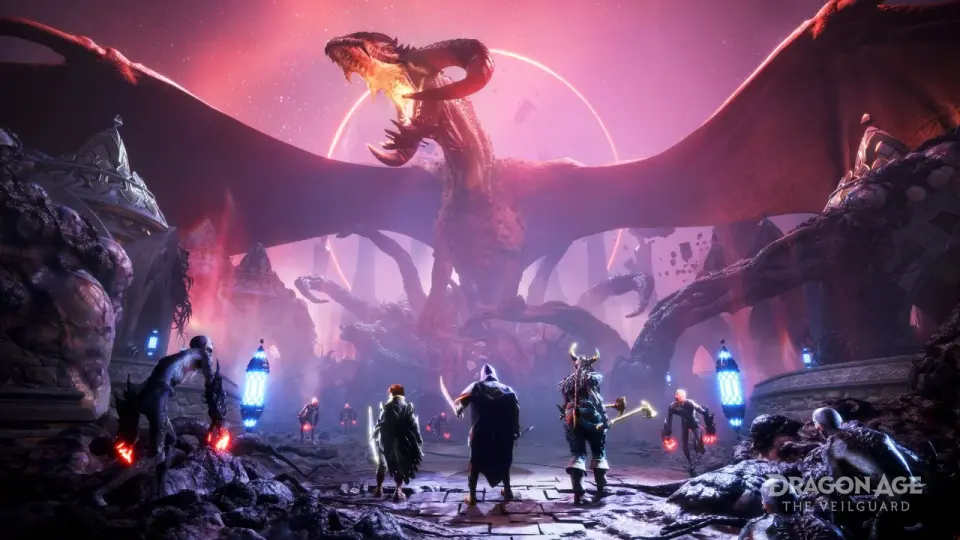
BioWare officially ceased operations on November 20, 2026, following Electronic Arts' closure announcement in October. Former executive producer Mark Darrah detailed how EA's financial pressures forced the studio into detrimental decisions, such as rushing Dragon Age 2 to cover revenue gaps from Star Wars: The Old Republic delays. Darrah described EA's management style as coercive, offering only 'terrible' options that led to a series of underperforming titles, including Anthem and Dragon Age: The Veilguard. While EA maintains BioWare made its own choices, Darrah argues the studio was backed into a corner by unrealistic targets. The closure, which included cancelling the next Mass Effect game, surprised many despite years of declining performance and a shift to the Frostbite engine.
Key points
- BioWare closed its doors on November 20, 2026, confirming EA's October 21 announcement.
- Mark Darrah, former Dragon Age executive producer, stated EA pressured BioWare into making 'least terrible' choices, such as rushing Dragon Age 2 in 14 months.
- EA's demand to fill revenue gaps from Star Wars: The Old Republic delays led to the creation of Dragon Age 2, which was poorly received but met financial targets.
- The studio faced a series of troubled releases, including Mass Effect: Andromeda, Anthem, and Dragon Age: The Veilguard, before closure.
- EA cancelled the upcoming Mass Effect: Universe and closed the studio, surprising many who believed BioWare was too iconic to shut down.
- Darrah noted that while EA could claim BioWare chose its actions, the available options were all detrimental to the studio's long-term health.
Background
BioWare, known for Mass Effect and Dragon Age, faced years of development struggles under EA. Previous coverage highlighted the studio's closure in October 2026, with co-founder Greg Zeschuk blaming inexperienced executives. Fans and Canadian politicians attempted to save the studio, but EA proceeded with the shutdown. The closure followed a shift to the Frostbite engine and a series of underperforming titles, including Anthem, which shut its servers earlier in 2026. Jennifer Hale proposed a community-backed ownership model for Mass Effect, but EA did not pursue this option.
How outlets are covering it
Kotaku and PC Gamer both highlight Mark Darrah's interview with Pembridge TV, emphasizing EA's coercive tactics and the 'gun on the table' analogy. PC Gamer adds that Darrah questioned whether BioWare should have become a 'one project studio' to survive. cwibc.co.id focuses on BioWare's legacy in RPG romances and Darrah's explanation of Dragon Age 2's rushed development. Instant Gaming News confirms the official closure date of November 20, 2026, citing Devon Gardner's confirmation. All sources agree on the impact of EA's financial pressures, but differ in emphasis: Kotaku and PC Gamer focus on the coercive nature of EA's demands, while cwibc.co.id balances this with BioWare's creative legacy. Instant Gaming News provides a factual confirmation of the closure without additional analysis.
Why it matters
The closure of BioWare marks the end of a legendary RPG studio, impacting the gaming industry's approach to live-service games and financial pressures. Darrah's account highlights the risks of prioritizing short-term financial targets over long-term creative quality, a pattern seen in other EA acquisitions. The closure also raises questions about the future of Mass Effect and Dragon Age IPs, with fans and industry figures debating potential community ownership models. The event underscores the tension between publisher demands and studio autonomy, a recurring theme in the gaming industry.
What to watch
EA has not announced plans for BioWare's IPs, but Jennifer Hale's proposal for a community-backed ownership model for Mass Effect may gain traction. The closure of BioWare may lead to further scrutiny of EA's management practices, particularly under its new ownership by Saudi Arabia's Public Investment Fund and other investors. Industry observers will watch how EA handles other underperforming studios and whether similar coercive tactics are applied elsewhere. Fans may continue to advocate for the preservation of BioWare's legacy through community-driven initiatives.
- Dragon Age Dev Explains BioWare's Struggles: 'EA Doesn’t Shoot You, It Puts A Gun On The Table And Then Comes In Every Day And Asks You If You’ll Shoot Yourself' Kotaku
- Dragon Age's former boss says that poor management from EA led to BioWare shutting down because 'the options on the table were all terrible' PC Gamer
- BioWare Legacy Highlights RPG Romances and Development Struggles cwibc.co.id
- BioWare closed its doors officially on November 20 Instant Gaming News
- Mark Darrah says BioWare was repeatedly forced to choose between bad options KitGuru
Want the full story? Read the original reporting
Read on Kotaku