
Brain-Computer Implant Restores a Personal Voice for a Paralyzed Man
TL;DR
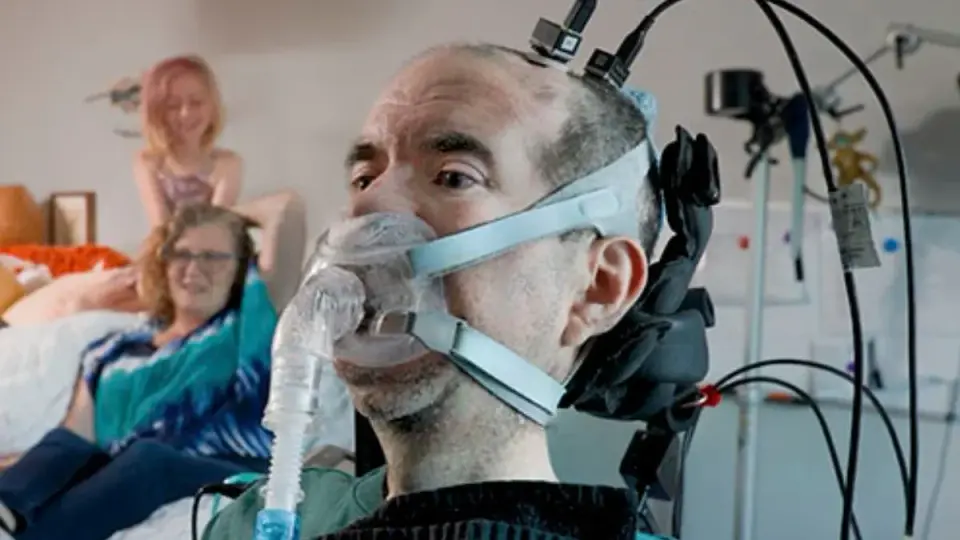
A man with advanced ALS and near-total paralysis can communicate again using an implanted brain–computer interface that translates neural activity into text and a digital voice. In the BrainGate 2 trial, Casey Harrell has used the system at home for about two years, producing more than 183,000 sentences and nearly 2 million words at roughly 56 words per minute with ~92% accuracy, enabling independent emailing, web use, and work. Developed by UC Davis with Brown University and Mass General Brigham, the device includes privacy mode to mute thoughts, and researchers hope to refine it for broader use among 27 participants in total.
Topics:technologyscience#als#brain-computer-interface#braingate#neuroprosthetics#science#speech-decoding
- Brain Implant Lets Man With Severe Paralysis Speak in His Own Voice Again ScienceAlert
- Two years, 2 million words: How a brain implant transformed an ALS patient’s life The Washington Post
- Long-term independent use of an intracortical brain–computer interface for speech and cursor control Nature
- ALS Patient, 47, Gains Ability to Speak and Sustain Full-Time Job Using Experimental Brain-Computer Interface People.com
- The Download: the first brain implant power user and South Korea’s AI obsession MIT Technology Review
Want the full story? Read the original reporting
Read on ScienceAlert