Tag

Speech Decoding

All articles tagged with #speech decoding

Stroke survivor regains voice with brain implant turning intent into real-time speech
science1 month ago

Stroke survivor regains voice with brain implant turning intent into real-time speech

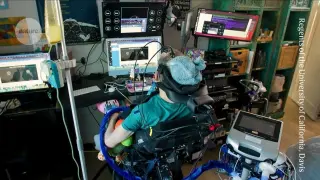
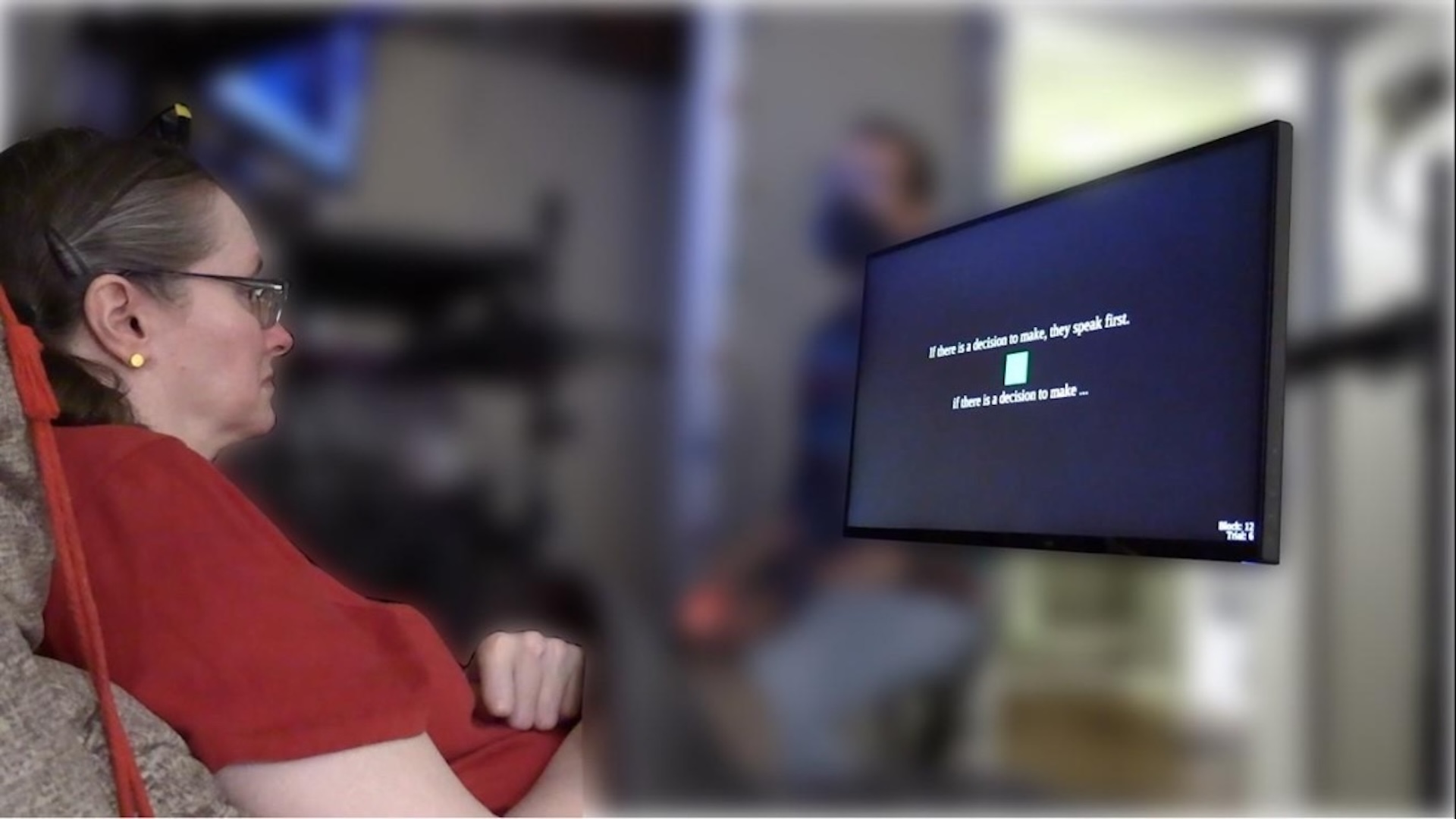
A woman who had been unable to form intelligible speech for 20 years after a stroke can now generate spoken sentences again using an implanted electrode array that reads her speech intent from the motor cortex and a software decoder that produces a near-real-time synthetic voice resembling her pre-injury voice. In the BRAVO trial, the system achieved a median latency of about 1.67 seconds from the go cue to the onset of synthesized speech (2.61 seconds on a smaller set), and streamed roughly 46.5 words per minute, improving on earlier eight-second delays. However, results come from a single participant with a unique implantation site; the technology does not read inner thoughts, requires substantial calibration, and remains investigational with questions about generalizability, long-term safety, and home use still unresolved.

Brain-Computer Implant Restores a Personal Voice for a Paralyzed Man
science2 months ago

Brain-Computer Implant Restores a Personal Voice for a Paralyzed Man

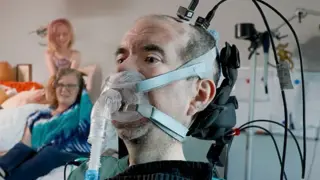
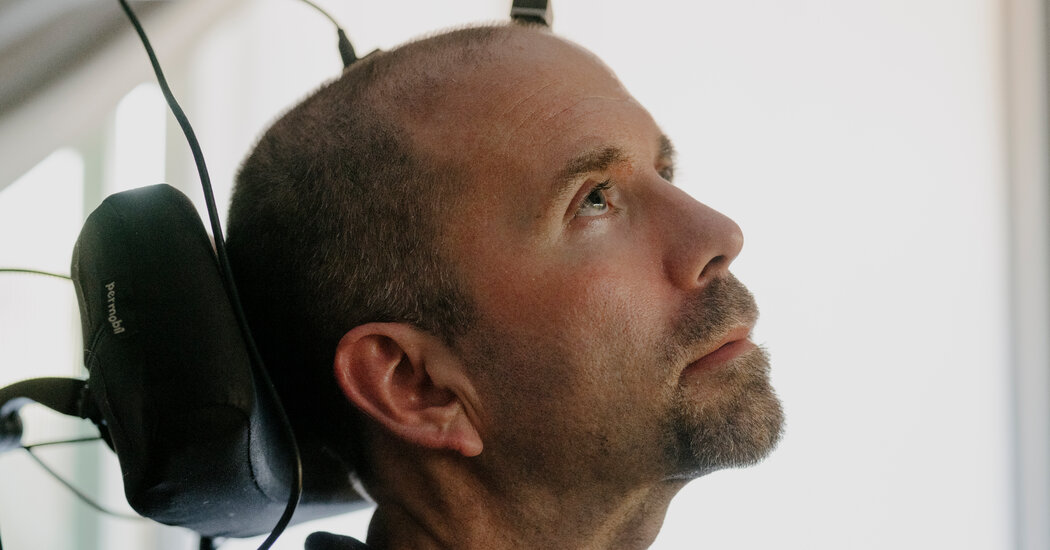
A man with advanced ALS and near-total paralysis can communicate again using an implanted brain–computer interface that translates neural activity into text and a digital voice. In the BrainGate 2 trial, Casey Harrell has used the system at home for about two years, producing more than 183,000 sentences and nearly 2 million words at roughly 56 words per minute with ~92% accuracy, enabling independent emailing, web use, and work. Developed by UC Davis with Brown University and Mass General Brigham, the device includes privacy mode to mute thoughts, and researchers hope to refine it for broader use among 27 participants in total.

Home Brain Implant Restores Speech and Computer Use for ALS Patient
technology2 months ago

Home Brain Implant Restores Speech and Computer Use for ALS Patient

A 48-year-old man with amyotrophic lateral sclerosis uses an implanted brain-computer interface at home to translate neural activity into text, enabling him to communicate at about 56 words per minute and to operate his computer and stay employed; over ~23 months he produced 183,060 sentences with 92% decoded at least mostly correctly, with a privacy mode, demonstrating day-to-day viability of BCIs as medical devices.

Revolutionary Neuroprosthesis Empowers Speech and Communication
science-and-technology3 years ago

Revolutionary Neuroprosthesis Empowers Speech and Communication

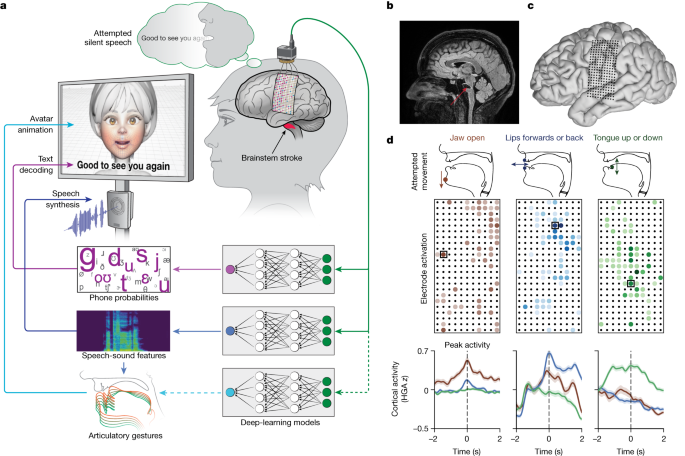
Researchers have developed a high-performance neuroprosthesis that can decode speech and control an avatar. The neuroprosthesis, tested on a paralyzed individual with anarthria, uses brain-computer interface technology to translate neural activity into synthesized speech. The study demonstrates the potential for individuals with severe speech impairments to communicate effectively using this technology. Data relevant to the study are available upon request, and the code to replicate the findings can be found on GitHub.

"Scientists Use Brainwaves to Recreate Pink Floyd Song"
science-and-technology3 years ago

"Scientists Use Brainwaves to Recreate Pink Floyd Song"

Scientists have successfully reconstructed Pink Floyd's "Another Brick in the Wall" by decoding brainwaves, marking the first time a recognizable song has been decoded from electrical brain activity. The study aims to restore musicality to patients with neurological conditions that affect speech. Previous attempts at decoding speech from brain recordings lacked emotional and prosodic qualities, but music offers a broader spectrum of elements that could enhance speech decoding. By analyzing brain recordings from 29 patients, the researchers used artificial intelligence to reproduce the sounds and words of the song, albeit muffled. The study also identified new brain areas involved in rhythm detection and confirmed the right side of the brain's dominance in music processing.