Neural bypass restores feeding and touch in paralyzed man
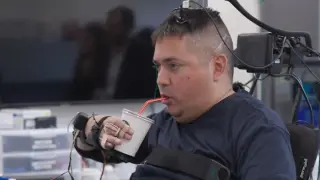
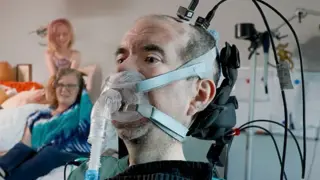
A paralyzed man who was injured in 2020 can now feed himself, drink from a cup, and feel his dog’s fur thanks to a double neural bypass that uses implanted electrodes to translate intention to move from the brain to arm muscles and sensors on the fingers to relay touch back to the brain. After 35 weeks of training, his right-arm strength rose 86% and his left 62%; gains persisted even when the device is off and have endured for more than two years, highlighting durable improvements and the promise of brain–computer interfaces for paralysis.