
Clouds and Dry Air Layers Dictate Offshore Wind Farm Efficiency
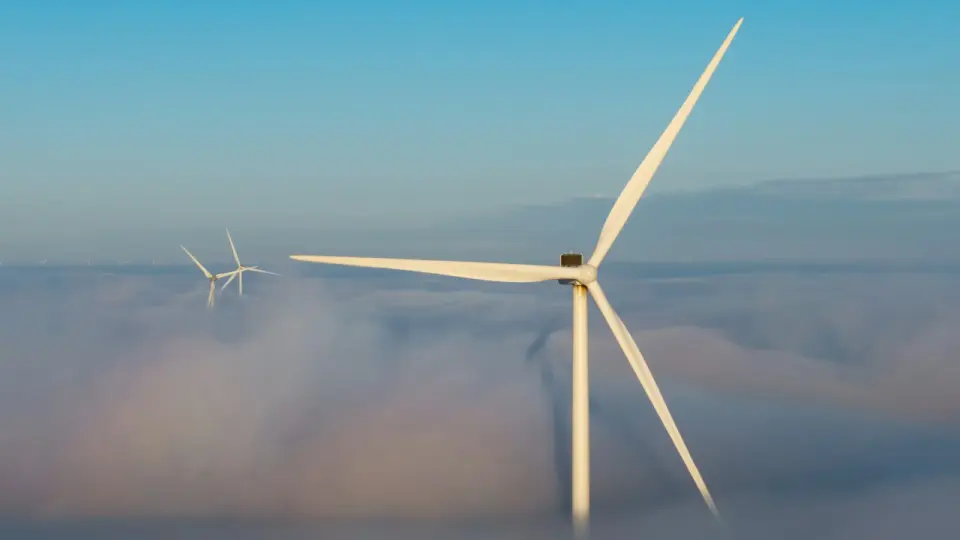
New research indicates that cloud cover and atmospheric conditions significantly impact the energy output of offshore wind farms. Scientists found that dry air above stratocumulus clouds can boost wind energy availability, while moist air reduces it. These findings suggest that future wind farm designs must account for two-way interactions between turbines and clouds to optimize power generation.
Key points
- A study in the Journal of Renewable and Sustainable Energy reveals that clouds, which cover over 90% of maritime skies, directly influence wind turbine performance.
- Researchers led by Davide Selvatici at the University of Twente found that dry air above stratocumulus clouds cools the cloud, causing it to sink and stir the atmospheric boundary layer, which increases wind energy for turbines.
- Conversely, moist air above clouds reduces the energy gradient, leading to a lower boundary layer and slower winds, thereby decreasing power output.
- The study also notes that wind turbines can reduce liquid water content and cloud cover in shallow boundary-layer clouds, indicating a two-way interaction between infrastructure and weather.
- Accurate modeling of these interactions is crucial for predicting power output and designing effective offshore wind farms, as current models often assume clear, dry skies.
Background
This research arrives amid growing global investment in offshore wind energy as a transition away from fossil fuels. Recent developments in the U.S., such as the Interior Department’s attempt to rescind permits for the Revolution Wind farm and the discovery of wreckage near Block Island turbines, highlight the complex regulatory and environmental challenges facing the industry. While those issues focus on policy and safety, this study addresses the fundamental atmospheric physics that determine the viability and efficiency of these installations.
Why it matters
Understanding the relationship between clouds and wind farms is essential for maximizing the return on investment in renewable energy infrastructure. As countries expand offshore wind capacity, ignoring atmospheric variables like cloud cover and humidity could lead to inaccurate power predictions and suboptimal turbine placement. This research provides a scientific basis for more precise energy budgeting and design, potentially influencing future policy and engineering standards in the renewable energy sector.
What to watch
The researchers plan to expand their simulations to include a wider range of weather conditions and different wind farm design features. This will help refine models and provide more comprehensive data for planners and engineers. Additionally, the findings may prompt a re-evaluation of existing wind farm locations and designs to account for local atmospheric conditions.
Want the full story? Read the original reporting
Read on ScienceAlert