Tag

Atmospheric Science

All articles tagged with #atmospheric science

atmospheric-science16 days ago

MSA speeds up cold-region aerosol formation, reshaping climate projections

A CERN CLOUD chamber study shows methanesulfonic acid (MSA) nucleates with ammonia below −10 °C at rates comparable to sulfuric acid, and forms synergistic multi-acid clusters with SA. Even with very low ammonia, MSA drives particle growth near the kinetic limit below 9 °C at relative humidity above 40%. Since MSA and SA co-occur in cool marine regions, nucleation rates could be up to ten times faster and growth up to twofold compared with SA–NH3 alone, potentially boosting CCN concentrations, especially in polar regions. Global modeling indicates MSA is an important, currently underrepresented driver of biogenic particles in cool marine atmospheres, affecting present and pre-industrial climate.

Cracking the Ice Code: Ultrafast X‑ray Illuminates Early Freezing
science1 month ago

Cracking the Ice Code: Ultrafast X‑ray Illuminates Early Freezing

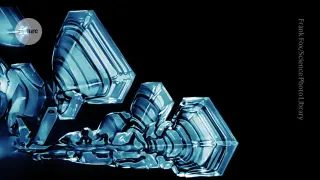
Using the European XFEL to watch the first microseconds of freezing, researchers show that disorder and impurities strongly influence nucleation, challenging classical nucleation theory; experiments on simple Lennard‑Jones liquids (krypton and argon) reveal rapid onset of crystalline order within micrometres and microseconds, with theory matching experiments only after refining assumptions. The work could improve climate models, cloud formation understanding, and insights into planetary interiors.

Hawaii's Emerald Sunset: Airglow and Gravity Waves Explain the Green Sky
science2 months ago

Hawaii's Emerald Sunset: Airglow and Gravity Waves Explain the Green Sky

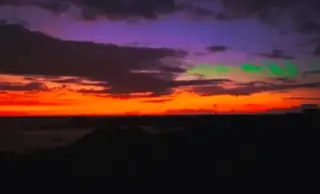
A mysterious green glow seen over Hawaii at sunset is explained as airglow—faint light from oxygen in the upper atmosphere—amplified and structured by gravity waves, visible mainly through cameras with long exposure rather than to the naked eye; satellites and auroras were ruled out, and scientists call for more public observations to better understand this subtle phenomenon.

Lightning in a Box Could Shrink Thunderstorms to Tabletop Size
science4 months ago

Lightning in a Box Could Shrink Thunderstorms to Tabletop Size

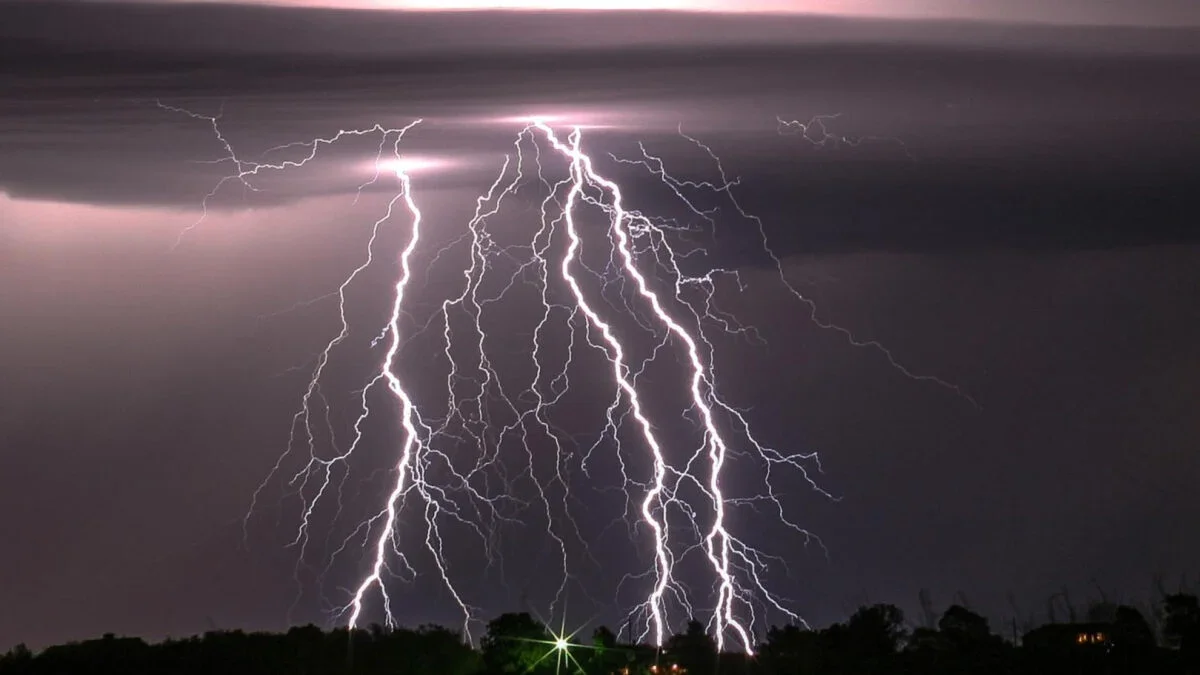
Penn State researchers propose a tiny, deck-of-cards-sized solid block that could replicate the electrical conditions of a thunderstorm, triggering lightning‑like radiation via a relativistic runaway electron avalanche. The “lightning‑in‑a‑box” is theoretical for now and would require experimental confirmation with common insulating materials; if proven feasible, it could let scientists study lightning at desktop scale, reducing the cost and scale of traditional field experiments.

Oceans Play a Bigger Role in Climate Cooling Than Expected
science1 year ago

Oceans Play a Bigger Role in Climate Cooling Than Expected

A new study published in Science Advances reveals that polar oceans emit sulfur gases, particularly methanethiol, which have a greater cooling effect on the climate than previously understood. This discovery, led by researchers from Spain and the UK, highlights the role of marine sulfur in cloud formation and its impact on solar radiation reflection, challenging existing climate models. The findings underscore the importance of accurately representing these emissions in climate predictions, aiding in more precise policy-making for global warming scenarios.

NASA's Artificial Clouds Illuminate Norwegian Skies
science1 year ago

NASA's Artificial Clouds Illuminate Norwegian Skies

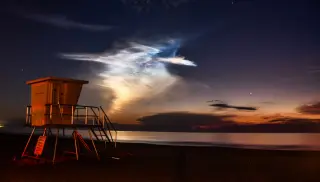
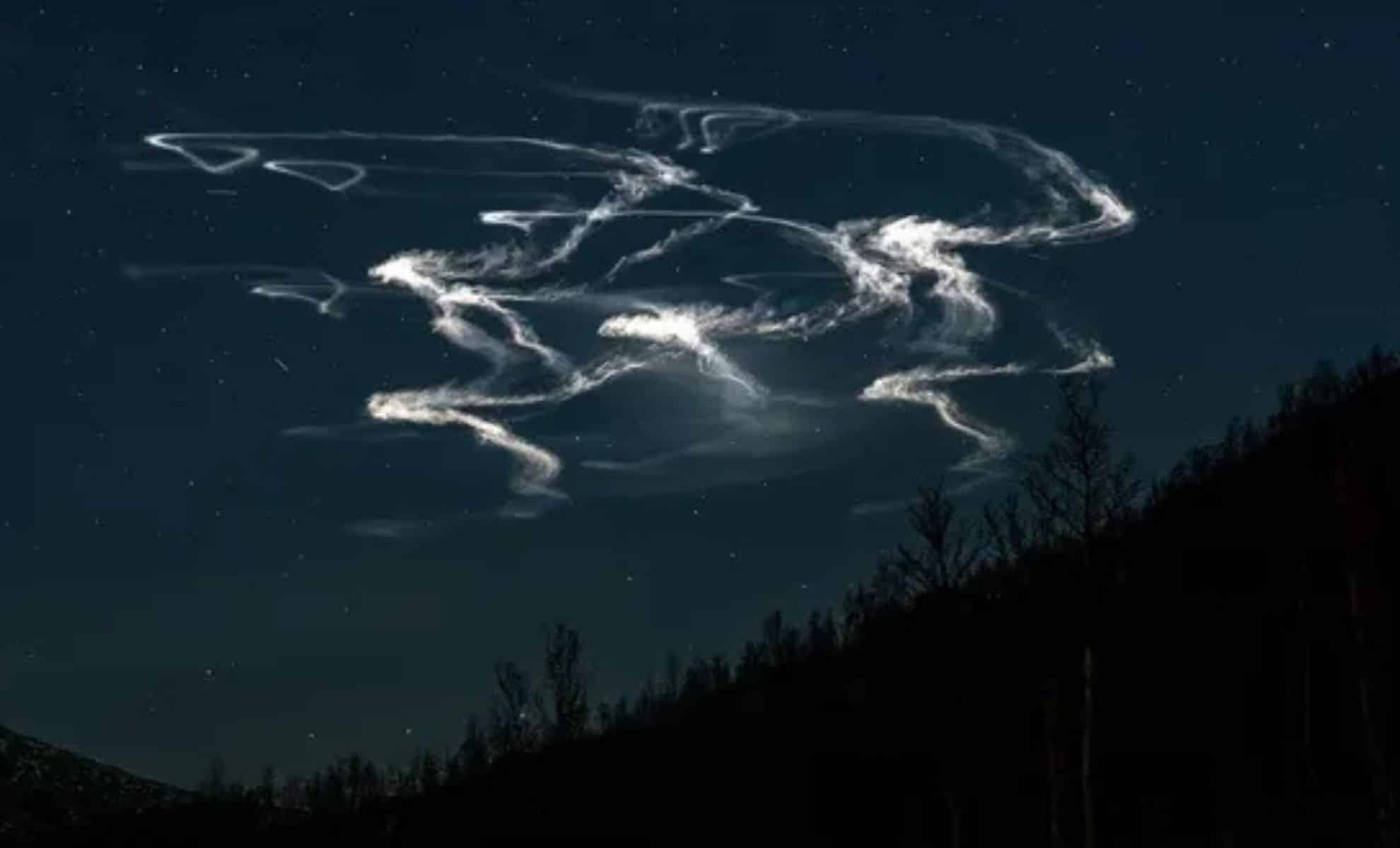
NASA conducted the Vorticity Experiment (VortEx) over Northern Norway, launching rockets that released glowing artificial clouds to study atmospheric turbulence and gravity waves. These clouds, created using trimethyl aluminum, served as visual markers to reveal energy flows between atmospheric layers, crucial for understanding weather and climate dynamics. The experiment, set against the northern lights, provided insights into the turbopause, a key atmospheric region, and has implications for both Earth and planetary science.

NASA Captures Gravity Waves from Hurricane Helene 55 Miles Above Earth
science1 year ago

NASA Captures Gravity Waves from Hurricane Helene 55 Miles Above Earth

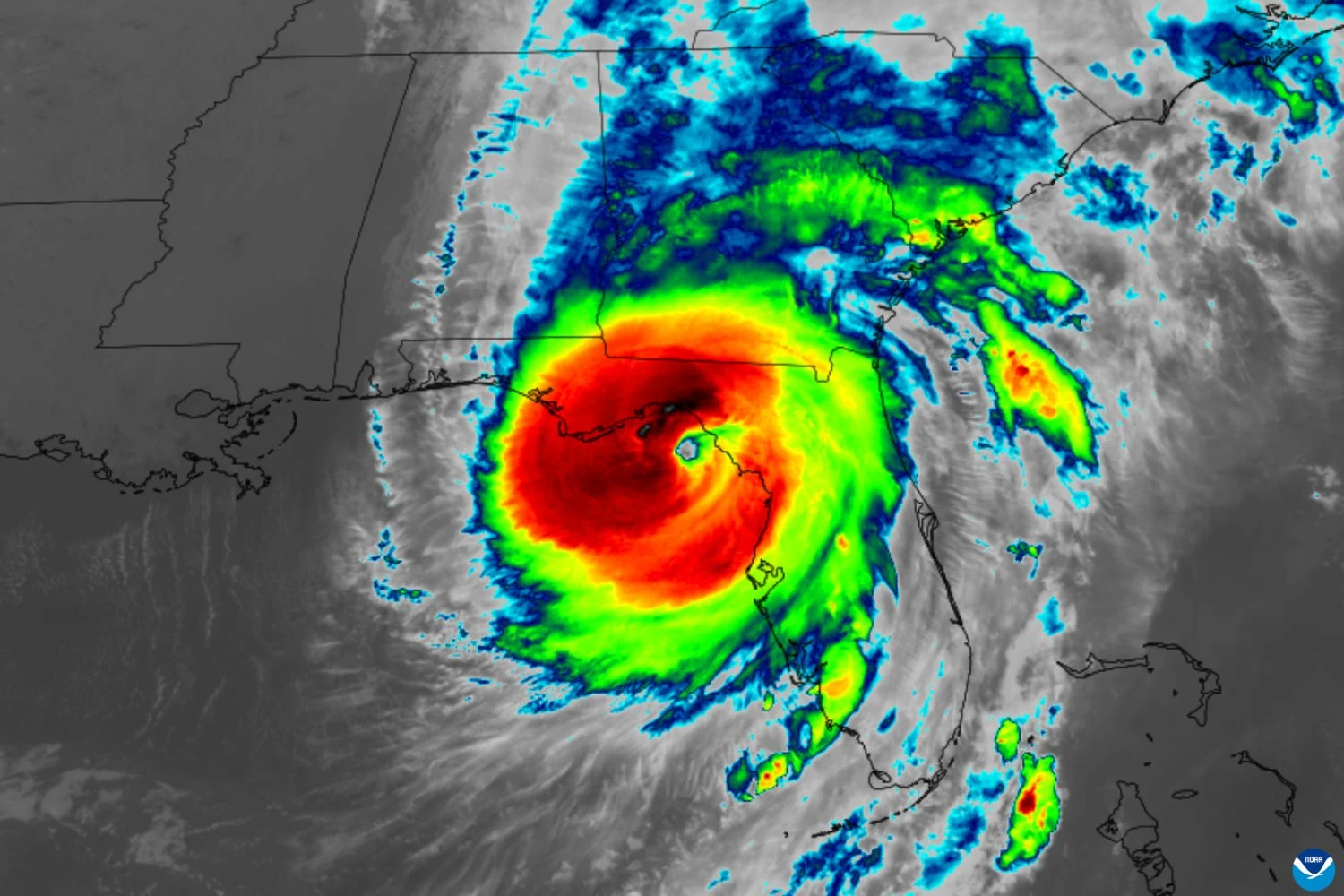
NASA's Atmospheric Waves Experiment aboard the International Space Station captured images of gravity waves generated by Hurricane Helene, highlighting the storm's intensity and the instrument's capabilities. Gravity waves, distinct from gravitational waves, are atmospheric ripples caused by natural phenomena like hurricanes. The data, visualized in infrared wavelengths, helps scientists understand the impact of terrestrial weather on space weather, which can affect low-Earth orbit instruments and communications. Helene, a Category 4 storm, caused significant damage in the southeastern U.S., including power outages and flooding.

Microplastics in Atmosphere Could Influence Weather and Climate
science1 year ago

Microplastics in Atmosphere Could Influence Weather and Climate

A recent study reveals that microplastics can promote cloud formation by acting as nuclei for ice crystals at warmer temperatures than usual, potentially affecting weather and climate. These particles, found globally, could increase precipitation and alter clouds' impact on Earth's energy balance. The study tested common microplastics, finding that their ice nucleation ability is sensitive to surface chemical changes. Further research is needed to understand microplastics' concentrations in the atmosphere and their comparative impact on cloud formation.

"Webb Telescope Unveils Extreme Temperature Differences on Distant Exoplanet"
science-and-technology2 years ago

"Webb Telescope Unveils Extreme Temperature Differences on Distant Exoplanet"

The exoplanet WASP-39b, located 700 light-years away, has a bizarre weather pattern where its permanently dark side is 300 degrees hotter than its permanently light side. This phenomenon is due to powerful winds transferring heat from the star-facing side to the dark side. The Webb Space Telescope's near-infrared spectrograph helped scientists uncover these findings, revealing complex atmospheric dynamics and prompting further study of other tidally locked exoplanets.